Back pain at the workplace: A widespread problem
Whether on a construction site, in a warehouse, a care facility, or even in a hair salon or bakery: wherever lifting, carrying, standing, or working in a stooped position is a regular occurrence, lower back pain is common. Anyone exposed to such strain daily knows the problem all too well. Doctors often refer to this as "lumbar pain." The main cause lies in the overloading of the core muscles, especially the back extensors and gluteal muscles. Intervertebral discs can also be affected by persistent incorrect or excessive strain.
But what helps against back pain? Is there a miracle cure? A blanket "yes" would be irresponsible, as the causes are manifold. But there is hope: Modern ergonomic solutions address precisely this issue and offer effective support in everyday life. Exoskeletons are particularly innovative, as they can significantly reduce physical strain – for many users, a true miracle cure for back pain.
How does back pain develop and which structures are affected?
The human body is not designed for prolonged, one-sided strain. Repeated lifting, carrying, and standing lead to overuse of certain muscle groups. The consequences: muscle tension, stiffness, nerve irritation, and, in the long term, structural damage to the intervertebral discs and vertebrae.
The lower back – the so-called lumbar region – is particularly affected. The intervertebral discs act as cushions between the vertebrae. With constant compression, they can no longer fulfill their function, which can lead to a herniated disc in the long term.
What helps against back pain? Ergonomic and technical support
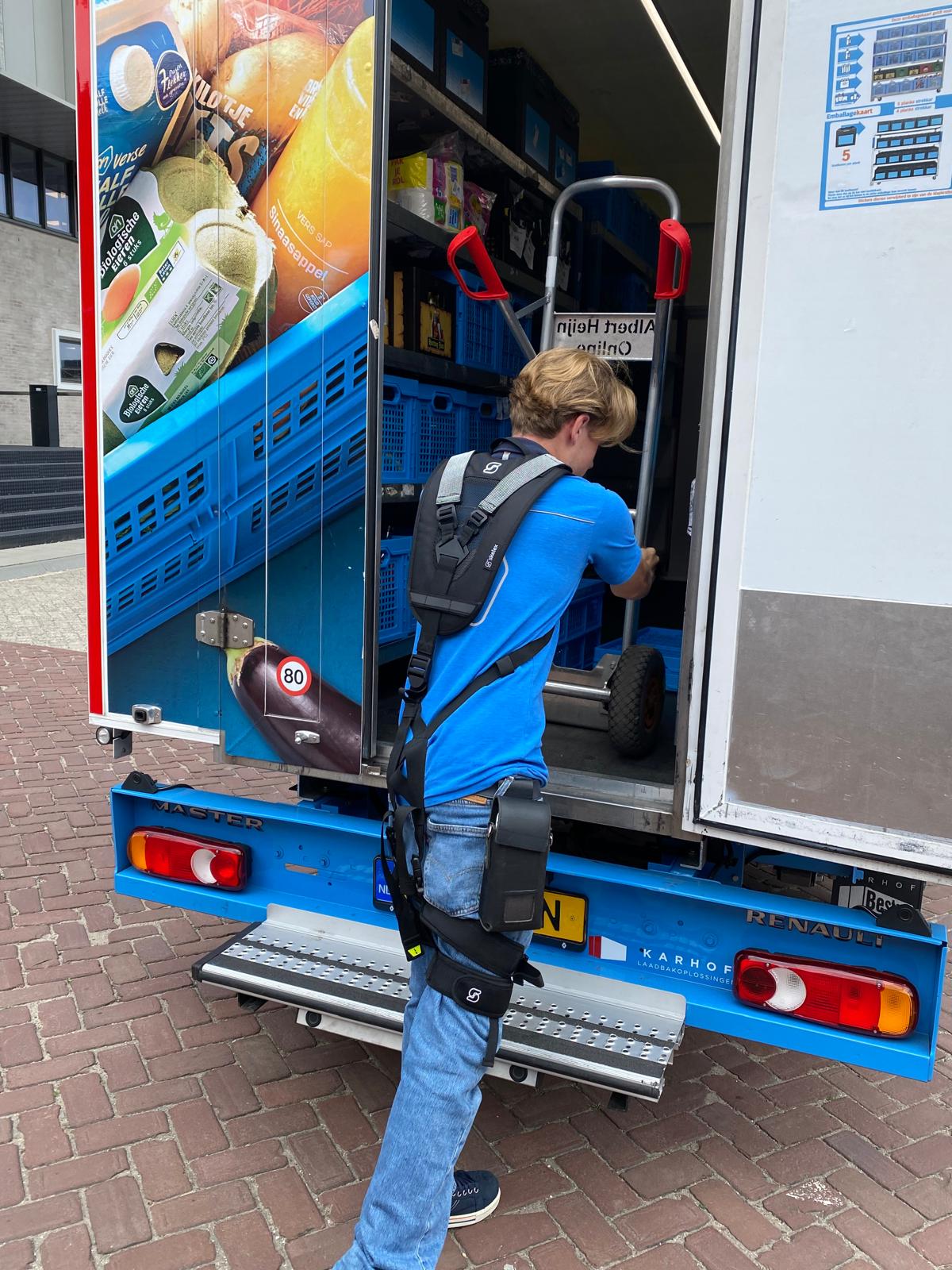
In addition to targeted training, physiotherapy, and back-friendly behavior, technical aids are becoming increasingly important. Exoskeletons specifically relieve muscle strain and support movement patterns. They not only reduce the load on the spine but also increase performance and endurance during physically demanding activities. However, compression can impair their function, which can lead to a herniated disc in the long term.
Exoskeletons as a solution: How do they work?
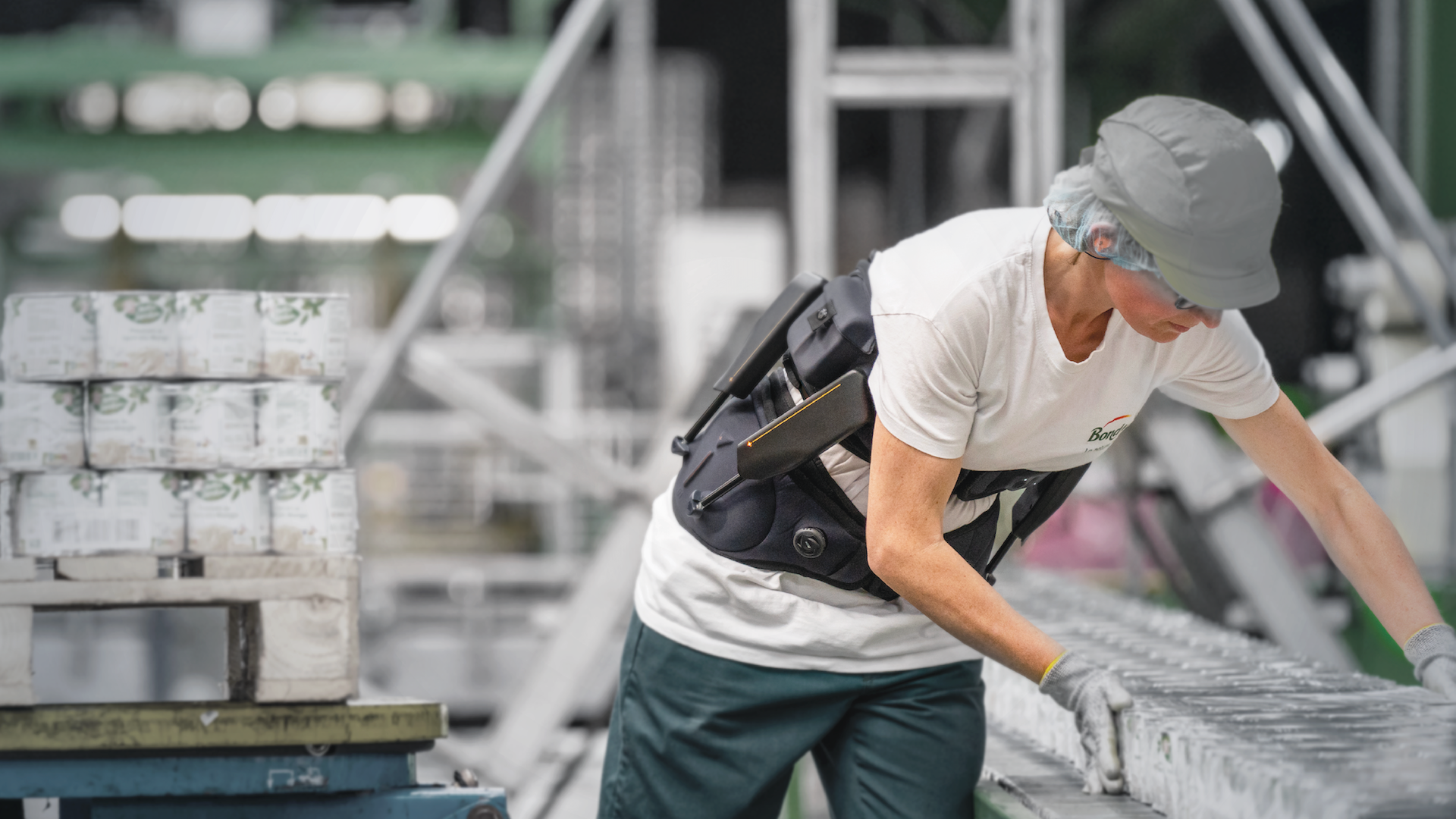
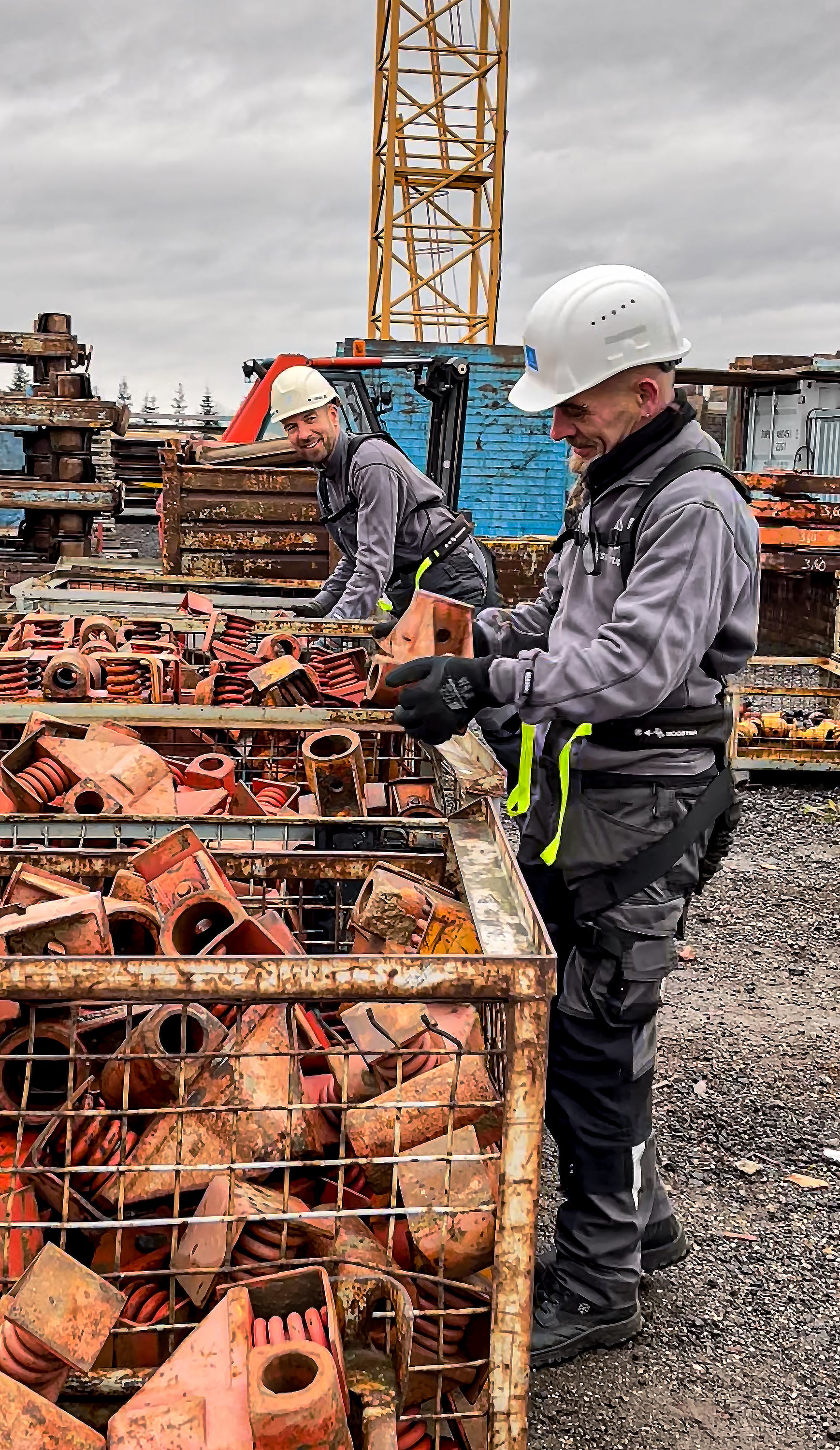
An exoskeleton is a wearable, mechanical assistance system that supports the body during certain movements. There are passive and active versions. At noonee, the focus is on passive exoskeletons – these function without a motor or power supply and utilize mechanical principles such as spring force or leverage.
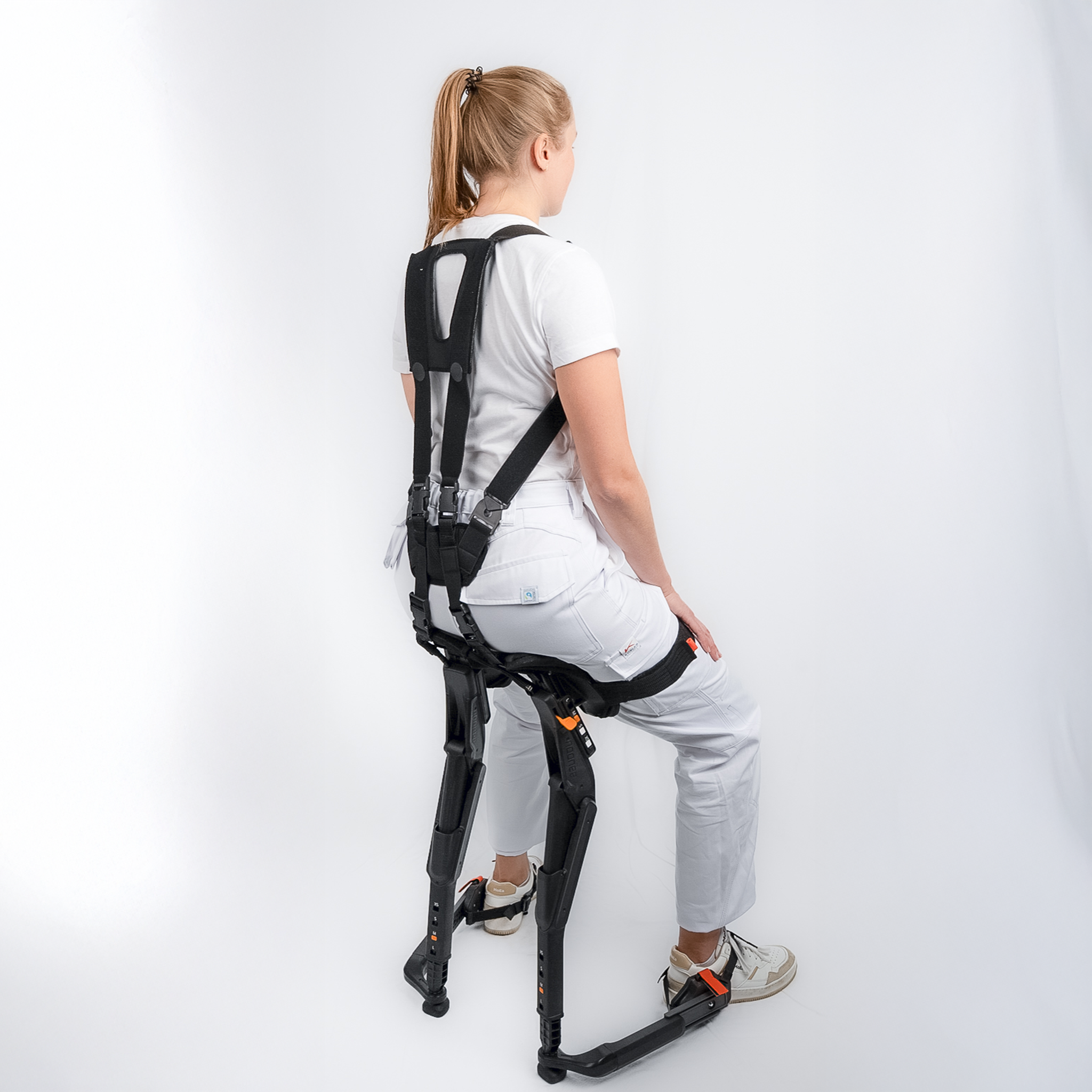
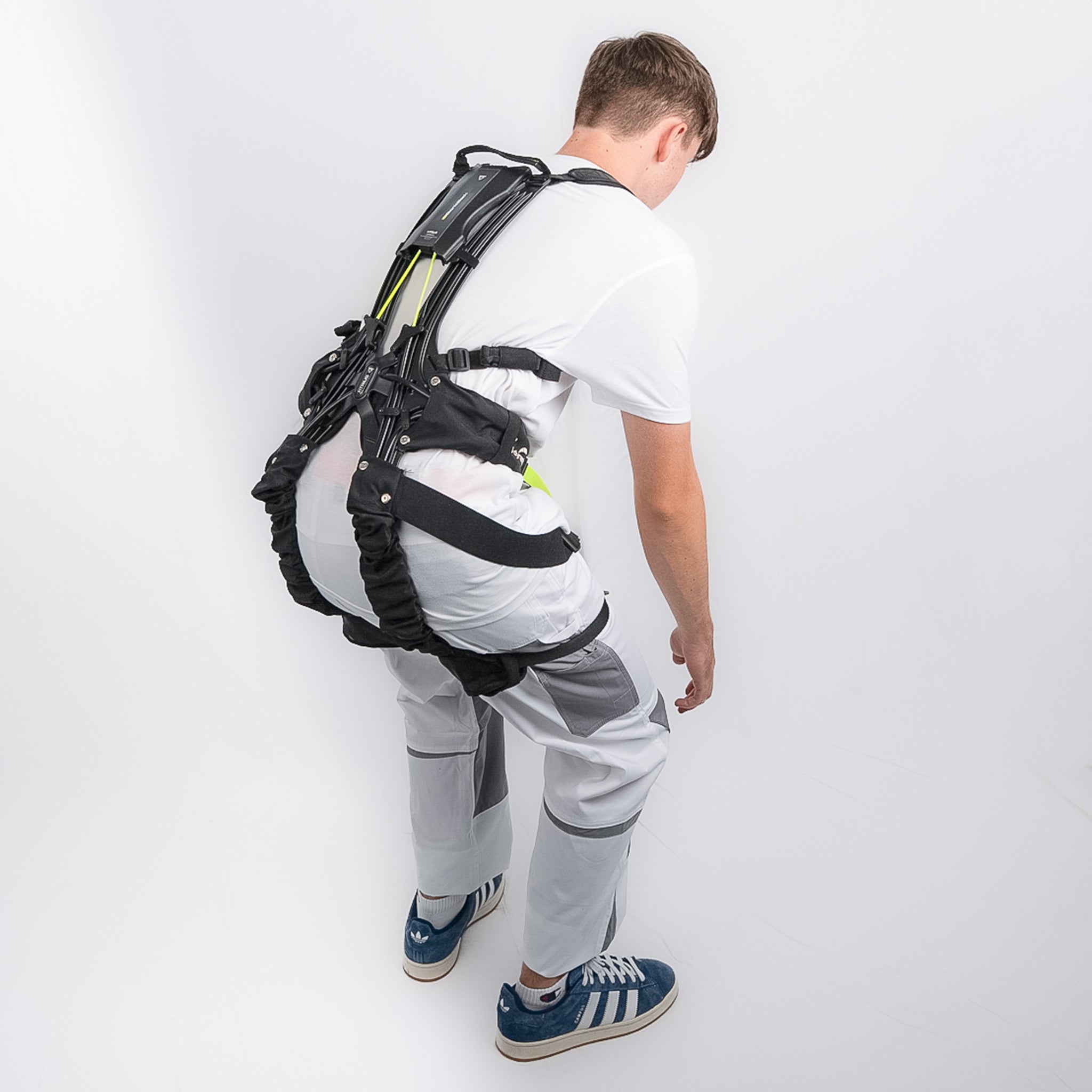
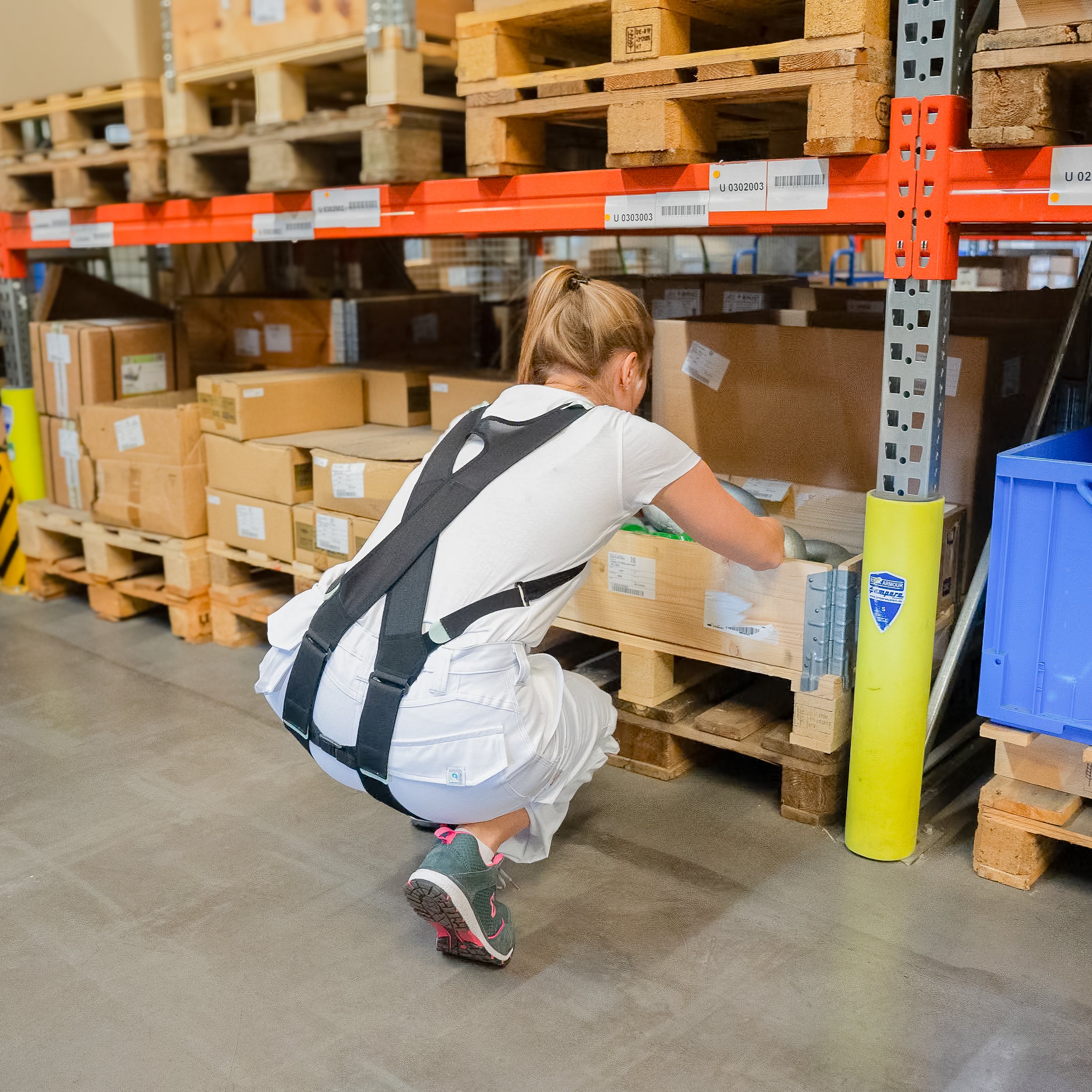
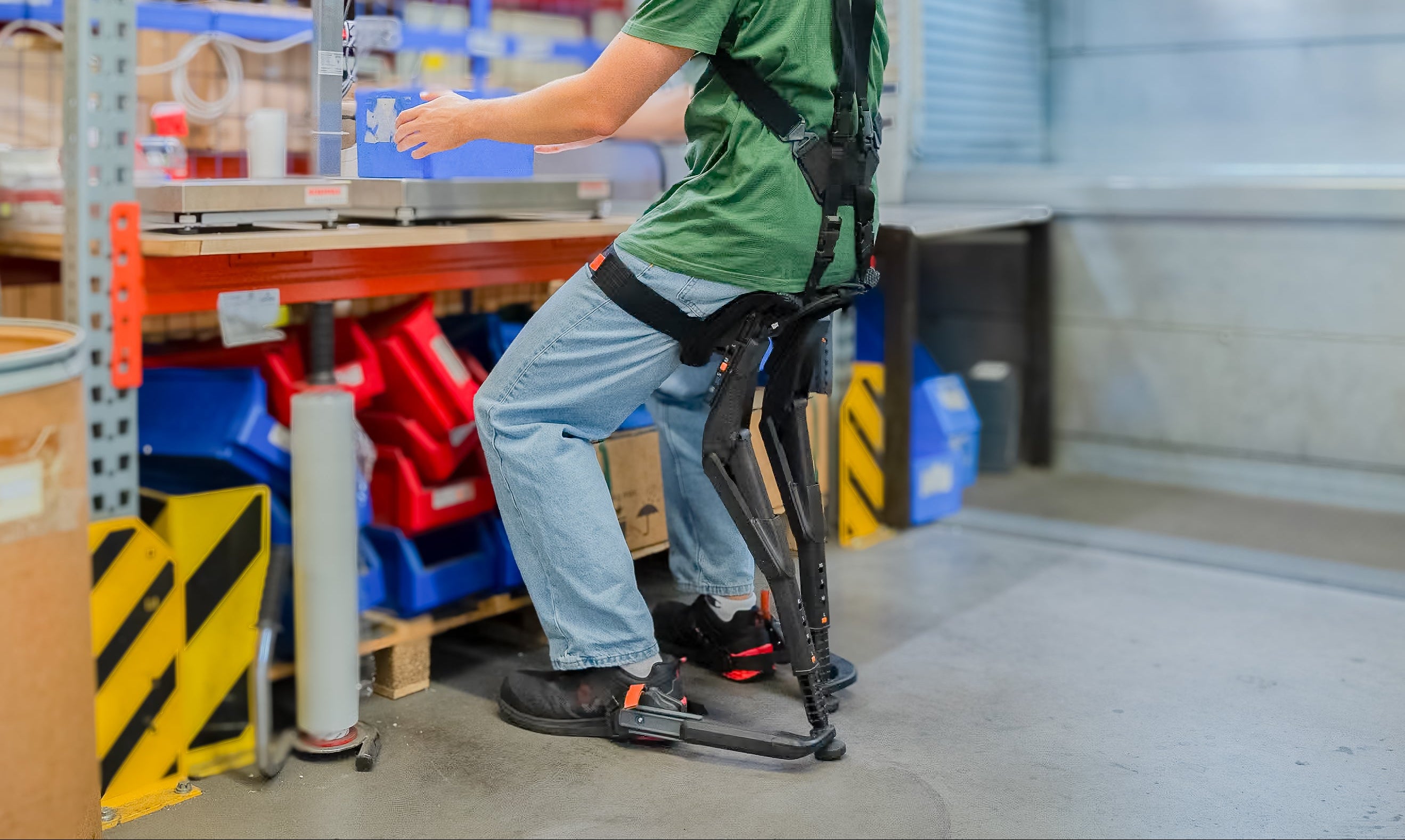
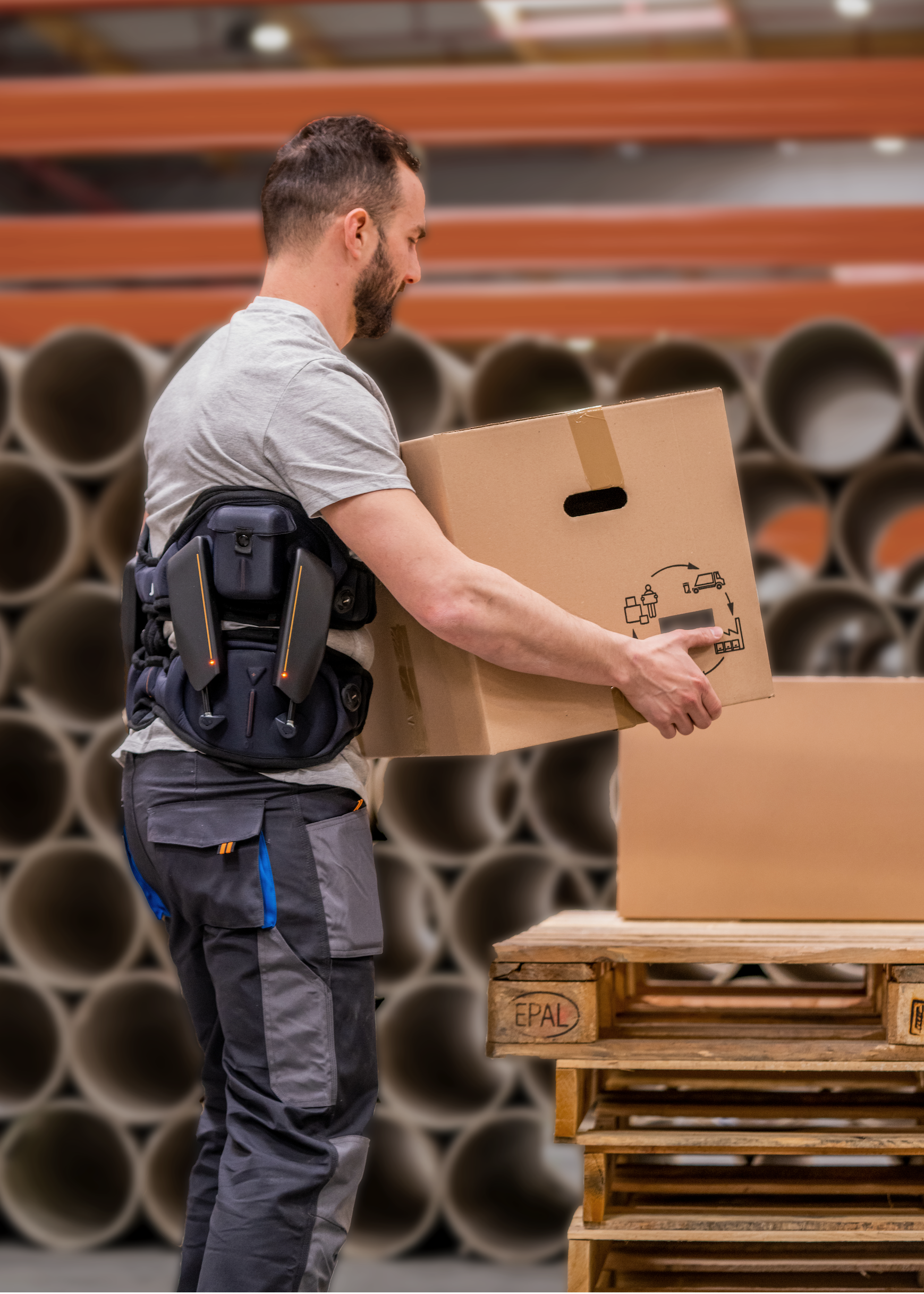
Example: The BionicBack from hTRIUS is specifically designed for the lower back. It provides support when lifting from a squatting position and significantly reduces strain on the lumbar spine. For standing activities or work in a seated position, the Chairless Chair offers an ideal solution. This leg exoskeleton serves as a portable seat, relieving strain on the legs and spine and preventing fatigue.
Benefits of Exoskeletons in Everyday Work
- Pain relief : Noticeable relief for the lower back and legs.
- Prevention : Prevention of chronic complaints and disc damage.
- Productivity: Fewer days lost due to physical strain.
- Easy to use: Quick application, no electricity required.
- Diverse areas of application : industry, construction, logistics, crafts, care, gastronomy, retail.
- Robust construction: Exoskeletons are extremely durable and suitable for a wide variety of operating environments – from the office to the workshop to the harsh environment on the construction site.
Calculating the benefits of back exoskeletons
The Exo-LiFFT Calculator from Vanderbilt University allows you to calculate the potential impact of back exoskeletons on lower back strain. Using factors such as load weight, lever arm, number of lifts, and exoskeleton support, the online tool estimates the possible reduction in the risk of work-related back injuries.
The application is suitable as an initial guide for ergonomic assessments and economic feasibility studies when using exoskeletons.
Conclusion: Exoskeletons represent a real advancement in prevention.
For those who have to do physical work every day, back pain is no longer an unavoidable problem. With the right ergonomic solutions – like the exoskeletons from noonee – discomfort can be effectively alleviated and prevented in the long term. The BionicBack and the Chairless Chair, in particular, demonstrate how modern technology can promote better health in the workplace.
Get in touch with us!
FAQ - Frequently Asked Questions about Back Pain and Exoskeletons
What helps quickly against back pain?
Heat, movement, and ergonomic support like exoskeletons can alleviate acute discomfort.
Are exoskeletons also suitable for private individuals?
Yes, especially with regular exposure at home, in the garden, or while DIYing.
How long does it take to get used to an exoskeleton?
The familiarization period is short. Usually, a few hours of practice are enough to fully experience the benefits.
Are exoskeletons medically recognized?
They are part of modern ergonomic concepts and are positively evaluated in occupational medical studies.
Where can I test an exoskeleton?
noonee offers test setups and individual consultation. Contact us for a personal expert consultation.