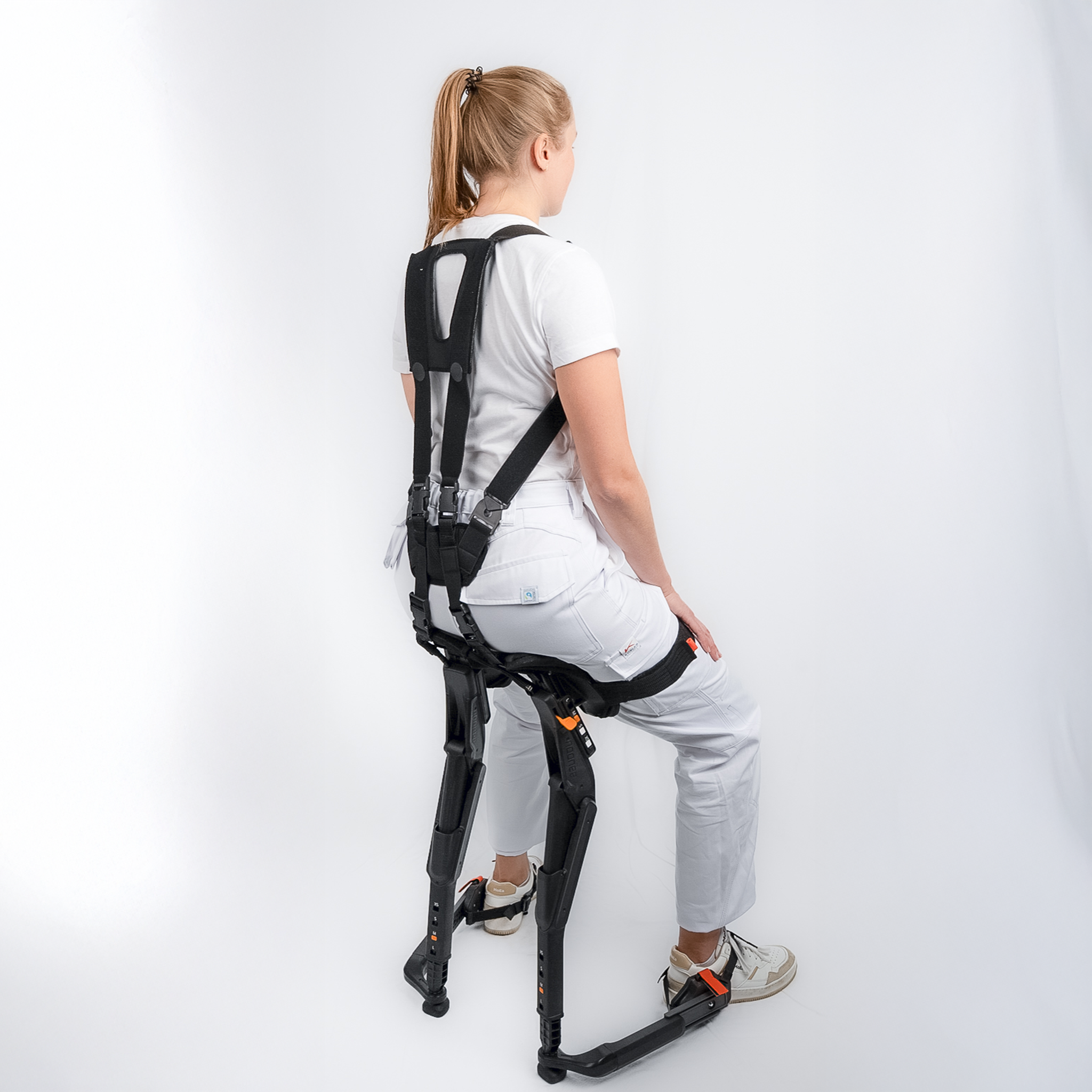
Correctly Categorizing Exoskeleton Prices
Anyone who looks into the topic of exoskeletons for the first time will quickly notice large price differences. While some models are offered for just a few hundred euros – or even less – high-quality exoskeletons for professional or industrial use are often in the four-figure range. This discrepancy raises questions, especially when the price of an exoskeleton initially appears high on a product page.
The crucial point here is: not all exoskeletons are created equal.
The price says less about a single component and more about development effort, area of application, quality, and the actual effect in everyday work.
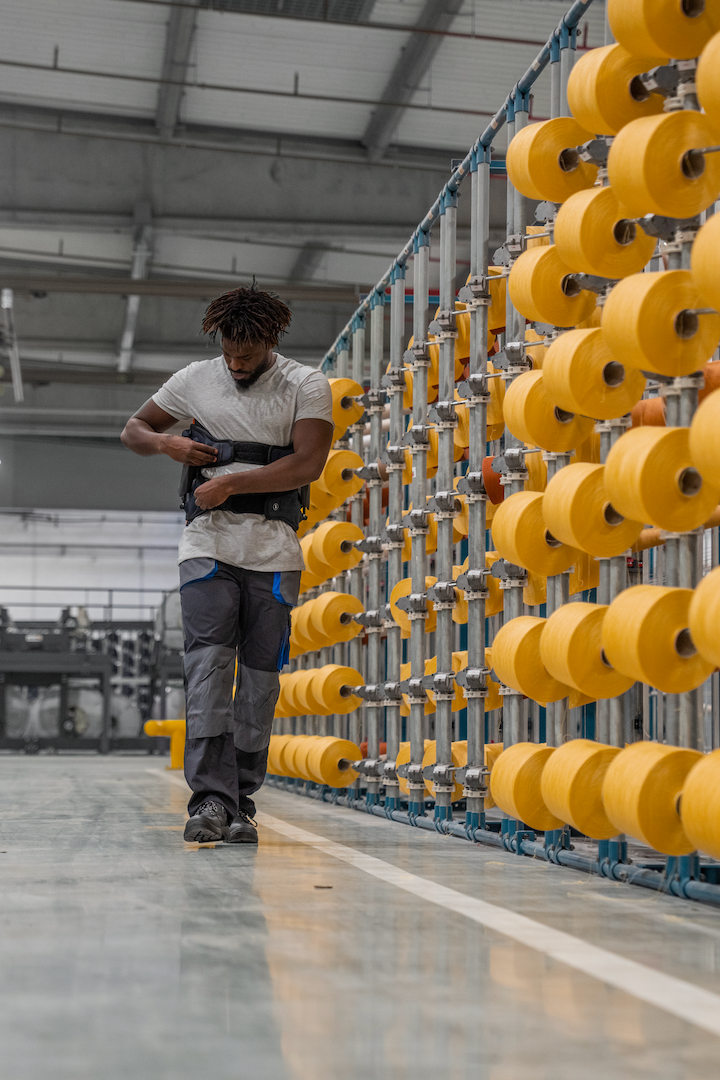
Why do exoskeleton prices vary so much?
The price differences for exoskeletons have clear technical reasons. High-quality systems are not developed as consumer products, but as ergonomic work tools for daily use under real working conditions.
Key price-determining factors include:
Biomechanical Development: Professional exoskeletons are based on work science and biomechanical models to specifically reduce physical strain.
Materials & Construction: High-quality materials and precise mechanisms are designed for continuous use.
Ergonomics & Adaptability: Fit, freedom of movement, and individual adjustment options are crucial for acceptance and lasting effect.
Safety & Quality Assurance: Exoskeletons for professional use are designed, tested, and quality-assured accordingly.
Application Focus: The functionality and intended use determine the technical design of an exoskeleton – and thus have a significant impact on the price.
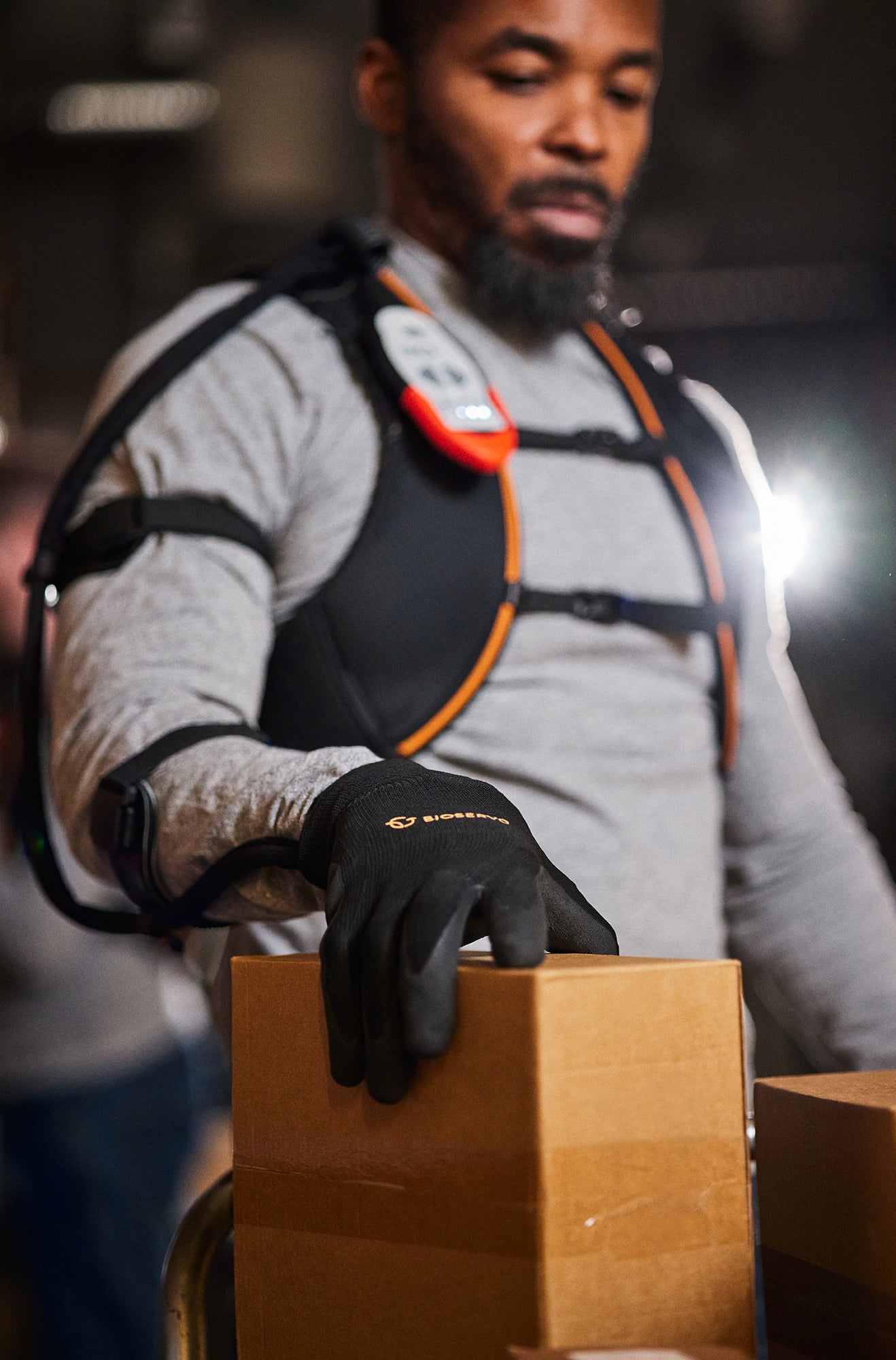
Affordable Exoskeletons: Why Price Alone Says Little
A low price often entails constructive simplifications that can affect comfort, durability, and relief. High-priced exoskeletons are generally of high quality, but they are not automatically the most suitable solution for every application. What is crucial is whether an exoskeleton was developed for its intended purpose and actually provides the desired support in everyday work. This is precisely why testing opportunities and advice before and after purchase are so important.
Very inexpensive exoskeletons are often not designed for continuous use under real working conditions. They often lack ergonomic fine-tuning, long-term stability, or sound design for recurring loads.
Possible consequences are:
- limited relief effect
- low acceptance in
everyday work - premature fatigue or
incorrect loading
An exoskeleton only serves its purpose if it is correctly selected, individually adapted, and consistently used. Quality, fit, and expert support are therefore crucial for achieving the desired effect in the long term.

Exoskeletons by noonee
noonee does not see itself as a mere online shop, but as a specialized marketplace for professional exoskeletons.
At noonee, this includes, among other things:
- carefully curated exoskeletons from
selected manufacturers - expert consultation before purchase
- support with selection and
application tailored to the task - testing opportunities to verify
effectiveness and acceptance - personal points of contact –
even after purchase
In this way, a product becomes a functional solution that truly provides relief in everyday work.
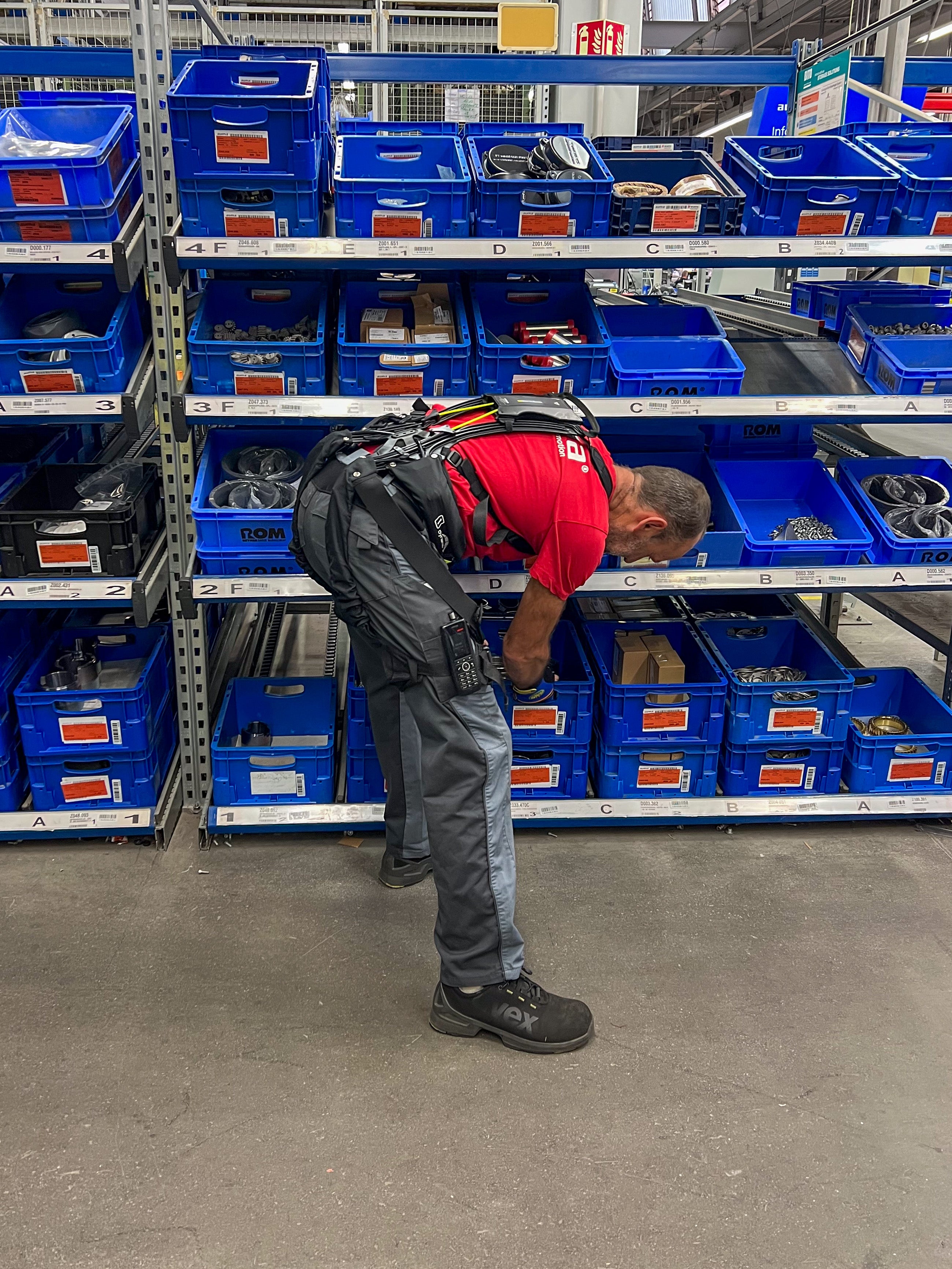
Why high-quality exoskeletons are cheaper in the long run
The price of an exoskeleton should not be viewed in isolation. What matters is the effect over time. During physically demanding tasks, strain accumulates throughout the entire workday – and that is exactly where exoskeletons come in.
High-quality systems can help to:
- reduce muscular fatigue
- maintain performance levels more consistently
- ensure movement quality throughout the day
- reduce physical strain in the long term
This makes exoskeletons a relevant factor for productivity, process stability, and, above all, the sustainable protection of employees.
You can estimate how these benefits impact the bottom line using noonee's ROI calculator. It helps you calculate the potential savings and the payback period.
Typical price ranges of exoskeletons
Although specific prices vary depending on the system, exoskeletons can be
roughly categorized as follows:
- Simple, passive systems: several hundred euros
- Specialized industrial exoskeletons: four-figure range
- Highly developed, application-optimized systems: accordingly higher
The number alone is not important; rather, it is the application context for which the exoskeleton was developed.
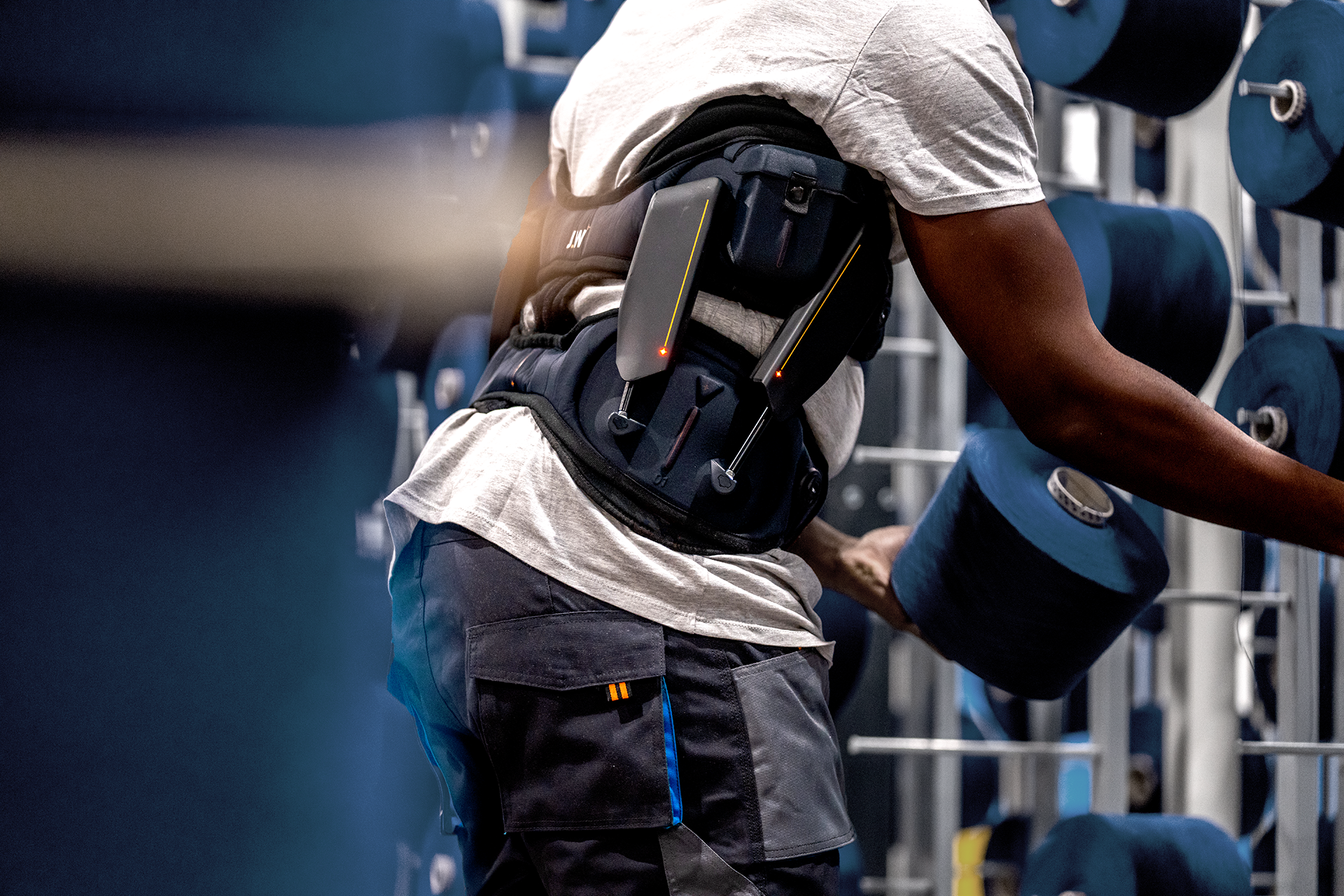
Understanding Price Means Understanding Effort
Whether an exoskeleton is worth the price depends largely on when and how it is used. Especially with recurring, physically strenuous activities, the purchase price is put into perspective by the resulting relief and more stable performance.
We also explain in detail when exoskeletons are truly worthwhile in everyday work life.
Conclusion: Realistic Assessment of Exoskeleton Price
The price of an exoskeleton is not an end in itself, but an expression of development effort, quality, and impact. High-quality exoskeletons are not a short-term purchase, but a targeted tool for reducing physical strain.
Those evaluating the price of exoskeletons should therefore not ask: Why does it cost so much? But rather: What impact does it have in daily use?
This is precisely where noonee comes in – with sound advice, proven systems, and solutions that stand the test of everyday work.