Exoskeletons – What types of exoskeletons are there? And why?
Exoskeletons are changing the way people work: They provide relief where the body is pushed to its limits daily and help to ensure healthy working conditions in the long term.
As wearable assistance systems, exoskeletons specifically support lifting, holding, and overhead work. Muscles and joints are noticeably relieved, fatigue is reduced, and they remain efficient throughout the entire workday. The result: more stable processes, fewer downtimes, and a sustainable increase in productivity.
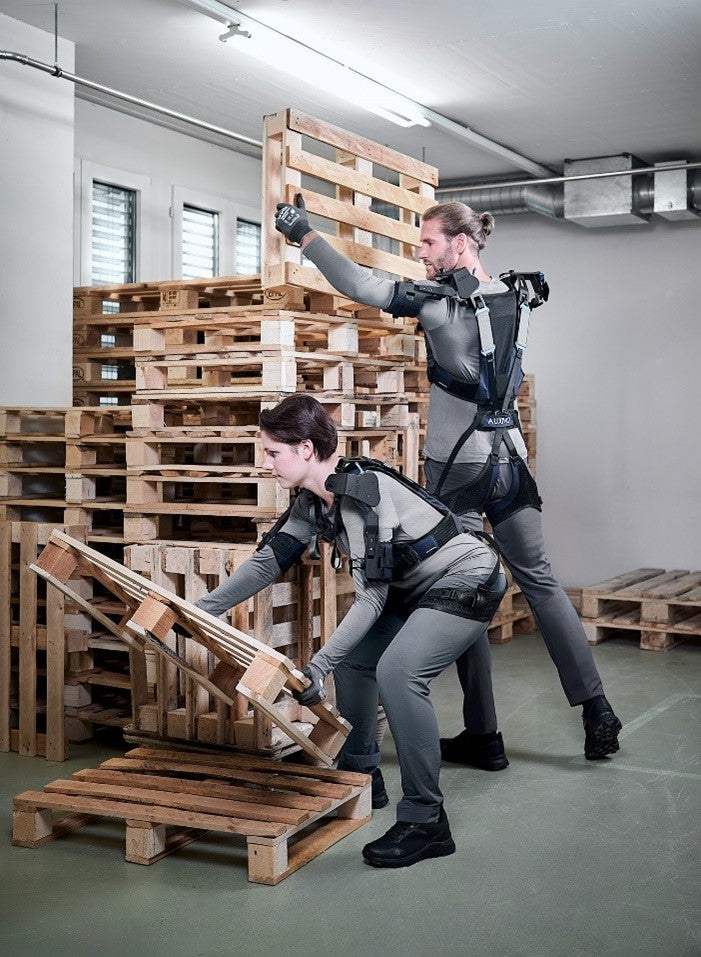
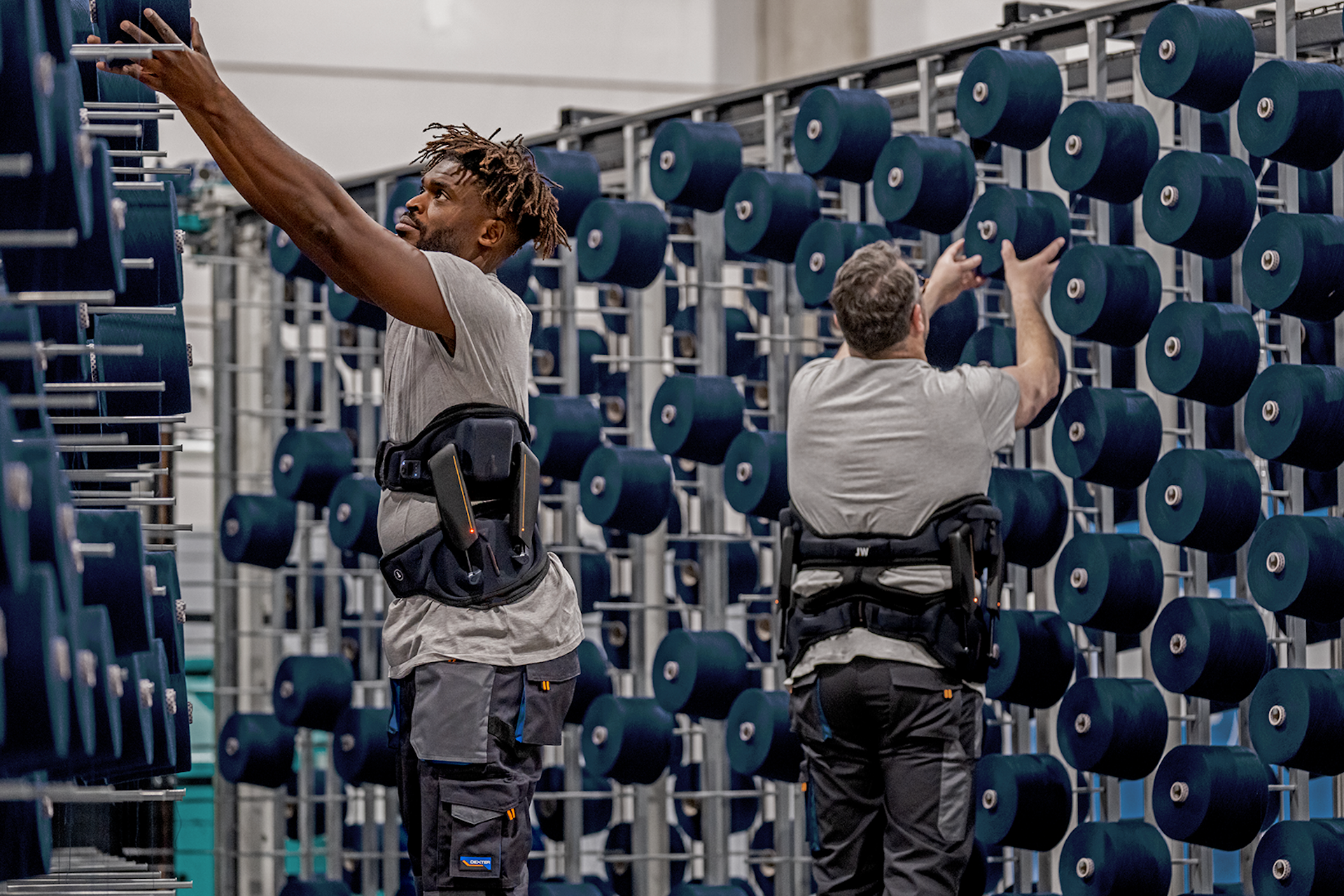
Exoskeletons in use
Not every activity stresses the body equally. That's why there are different types of exoskeletons that provide support precisely where and how it's needed.
How does back pain develop and which structures are affected?
The human body is not designed for prolonged, one-sided strain. Repeated lifting, carrying, and standing lead to overuse of certain muscle groups. The consequences: muscle tension, stiffness, nerve irritation, and, in the long term, structural damage to the intervertebral discs and vertebrae.
The lower back – the so-called lumbar region – is particularly affected. The intervertebral discs act as cushions between the vertebrae. With constant compression, they can no longer fulfill their function, which can lead to a herniated disc in the long term.
Benefits
- Significant relief during high physical exertion
- Protects the body in everyday work
- Suitable for demanding industrial environments
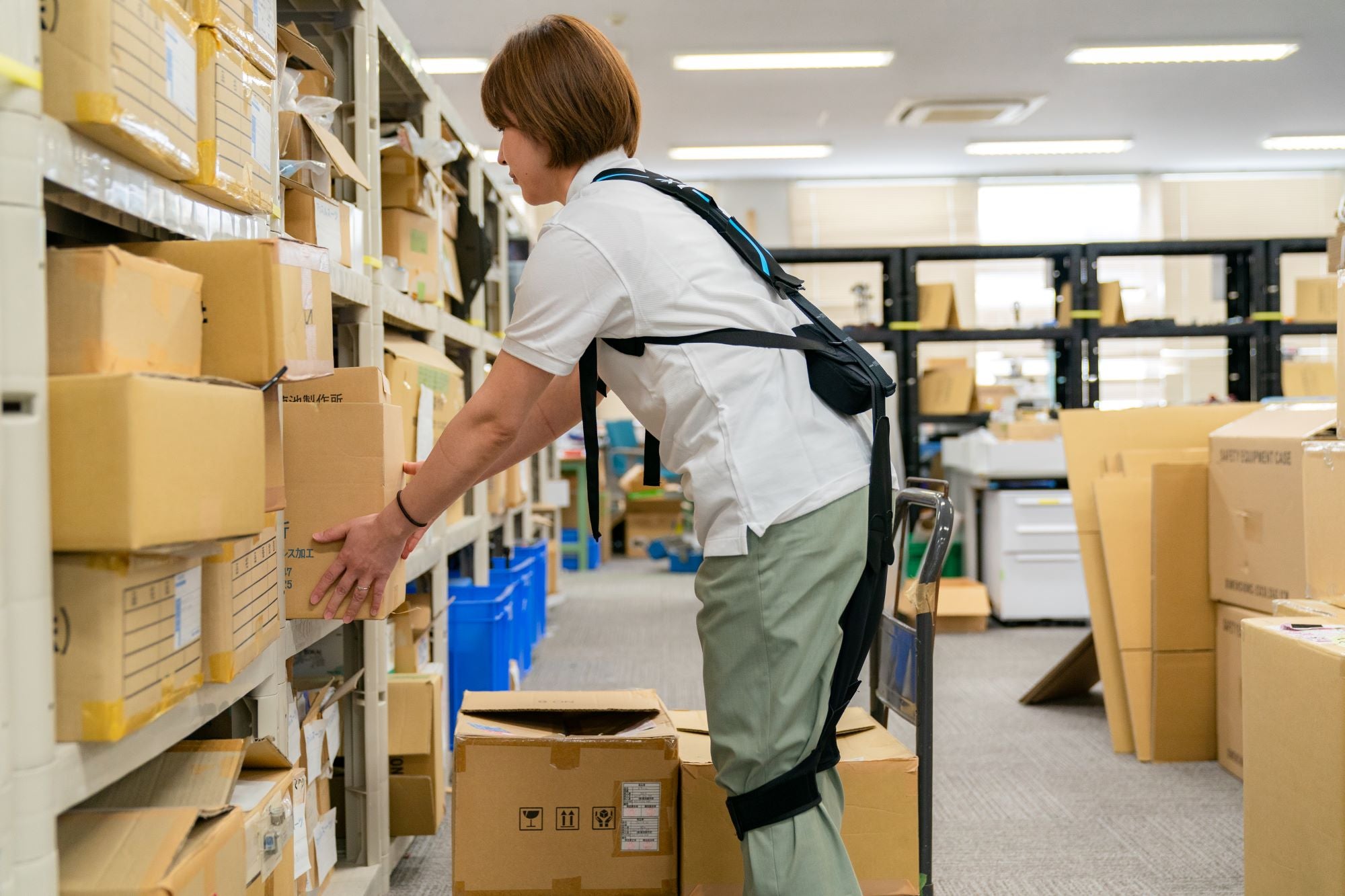
What helps against back pain? Ergonomic and technical support
In addition to targeted training, physiotherapy, and back-friendly behavior, technical aids are becoming increasingly important. Exoskeletons specifically relieve muscle strain and support movement patterns. They not only reduce the load on the spine but also increase performance and endurance during physically demanding activities. However, compression can impair their function, which can lead to a herniated disc in the long term.
Benefits
- High wearing comfort even over long periods
- Relief during dynamic activities
- Noticeable reduction of fatigue and pain
Active vs. Passive Exoskeletons – an overview of the technologies
Active Exoskeletons
They feature motors, hydraulics, or pneumatics and therefore require a power source. Active exoskeletons are thus able to specifically and significantly amplify movements. They particularly facilitate the lifting and carrying of heavy loads, thereby noticeably reducing physical strain during intensive activities. Due to their adaptability to different tasks and loads, they are particularly suitable for demanding, strenuous work processes.
Passive Exoskeletons
They work without external energy sources and utilize the natural principles of mechanical energy. Kinetic energy and potential energy are stored in elastic or spring-based elements and released again when needed. This makes them immediately ready for use, reduces strain during repetitive movements or static postures, and offers a robust, low-maintenance solution for continuous operation.
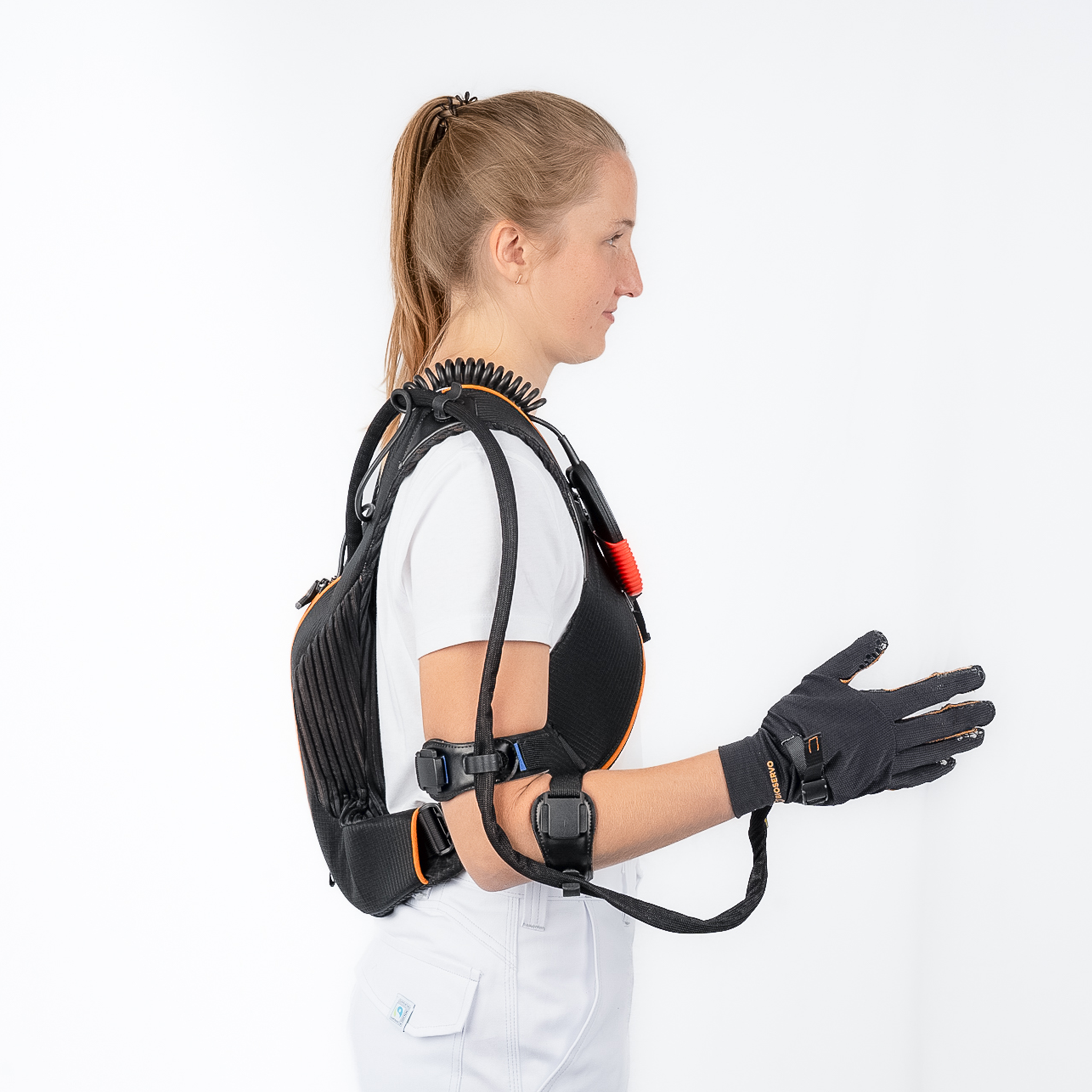
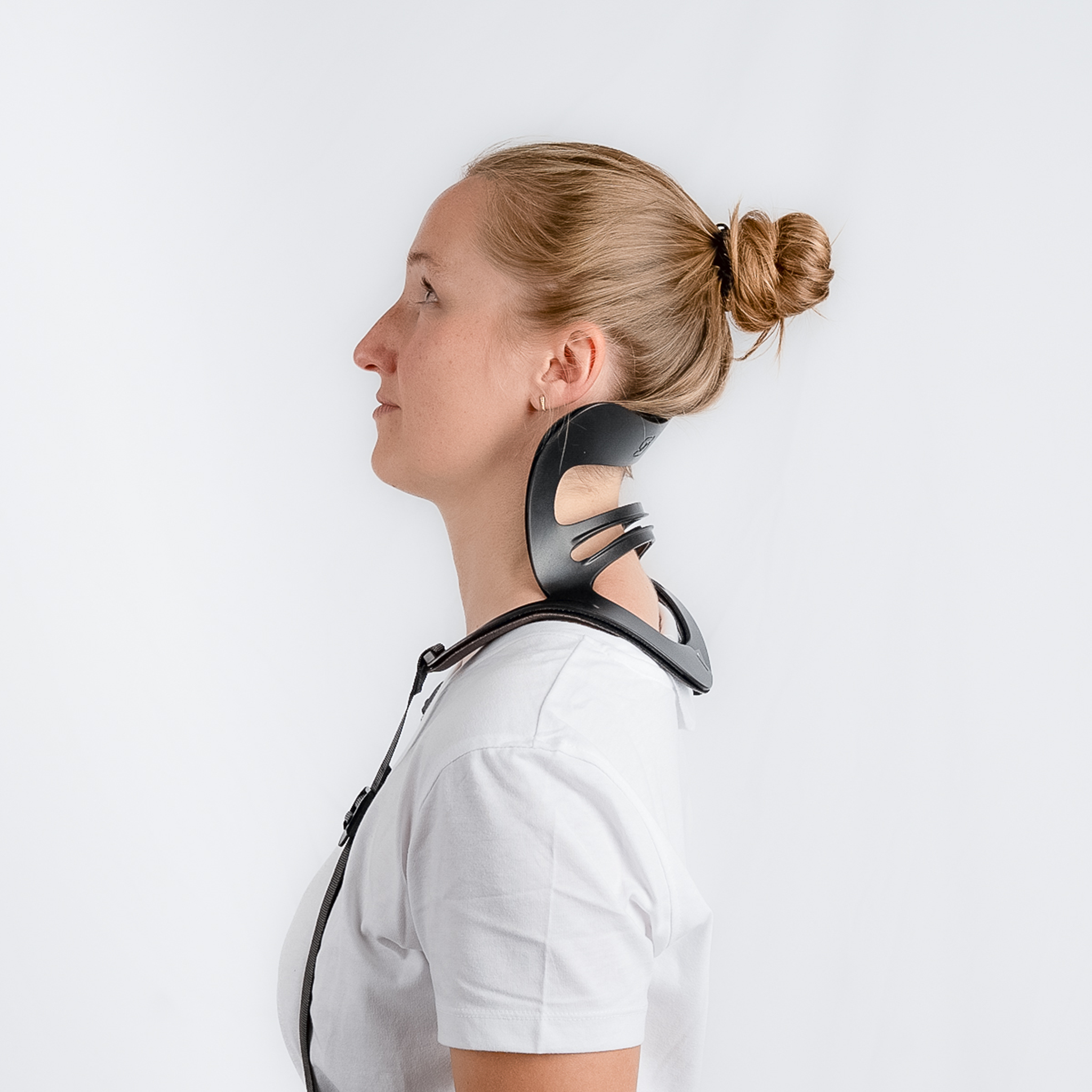
For those who have to do physical work every day, back pain is no longer an unavoidable problem. With the right ergonomic solutions – like the exoskeletons from noonee – discomfort can be effectively alleviated and prevented in the long term. The BionicBack and the Chairless Chair, in particular, demonstrate how modern technology can promote better health in the workplace.
Exoskeletons as a solution: How do they work?
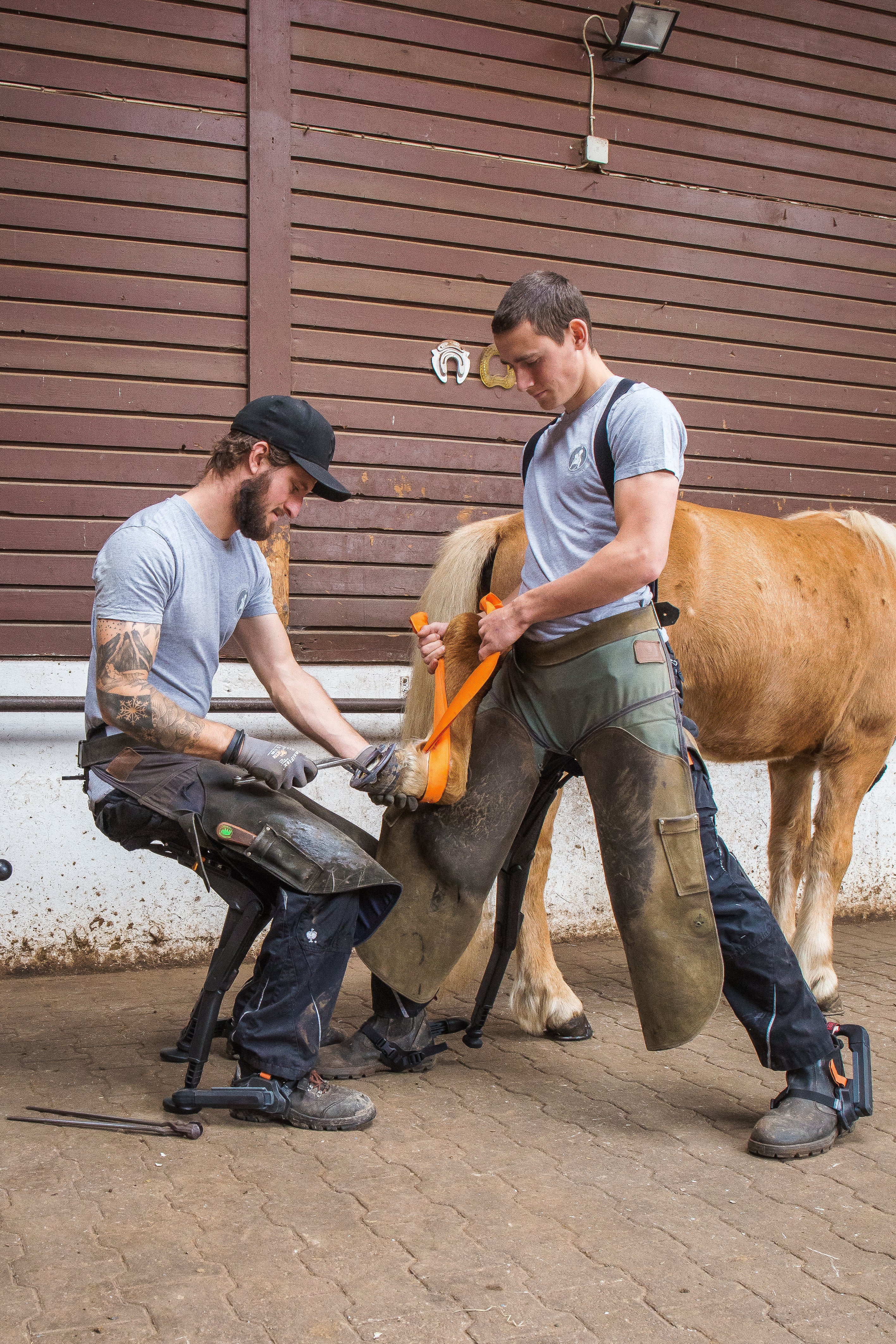
An exoskeleton is a wearable, mechanical assistance system that supports the body during certain movements. There are passive and active versions. At noonee, the focus is on passive exoskeletons – these function without a motor or power supply and utilize mechanical principles such as spring force or leverage.
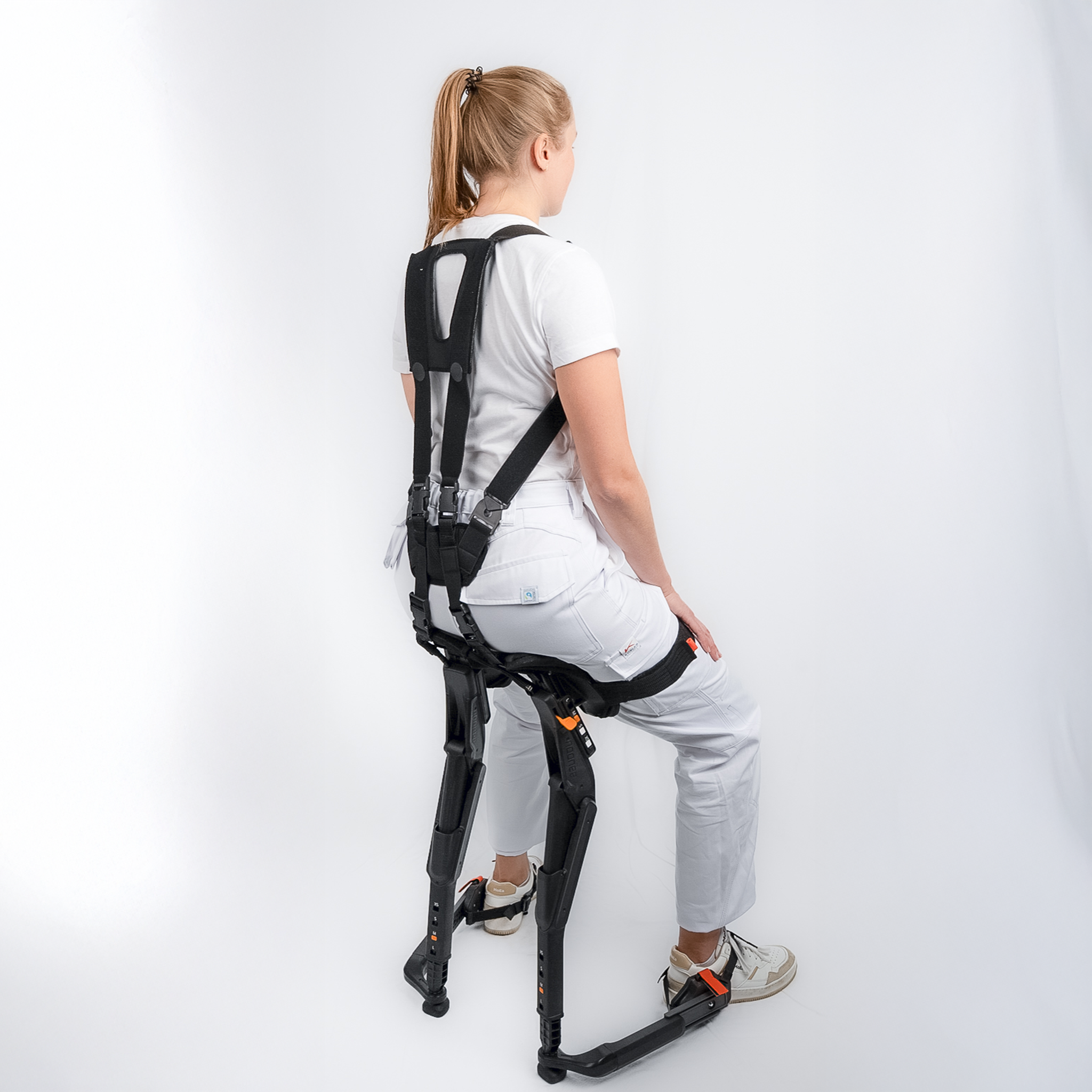
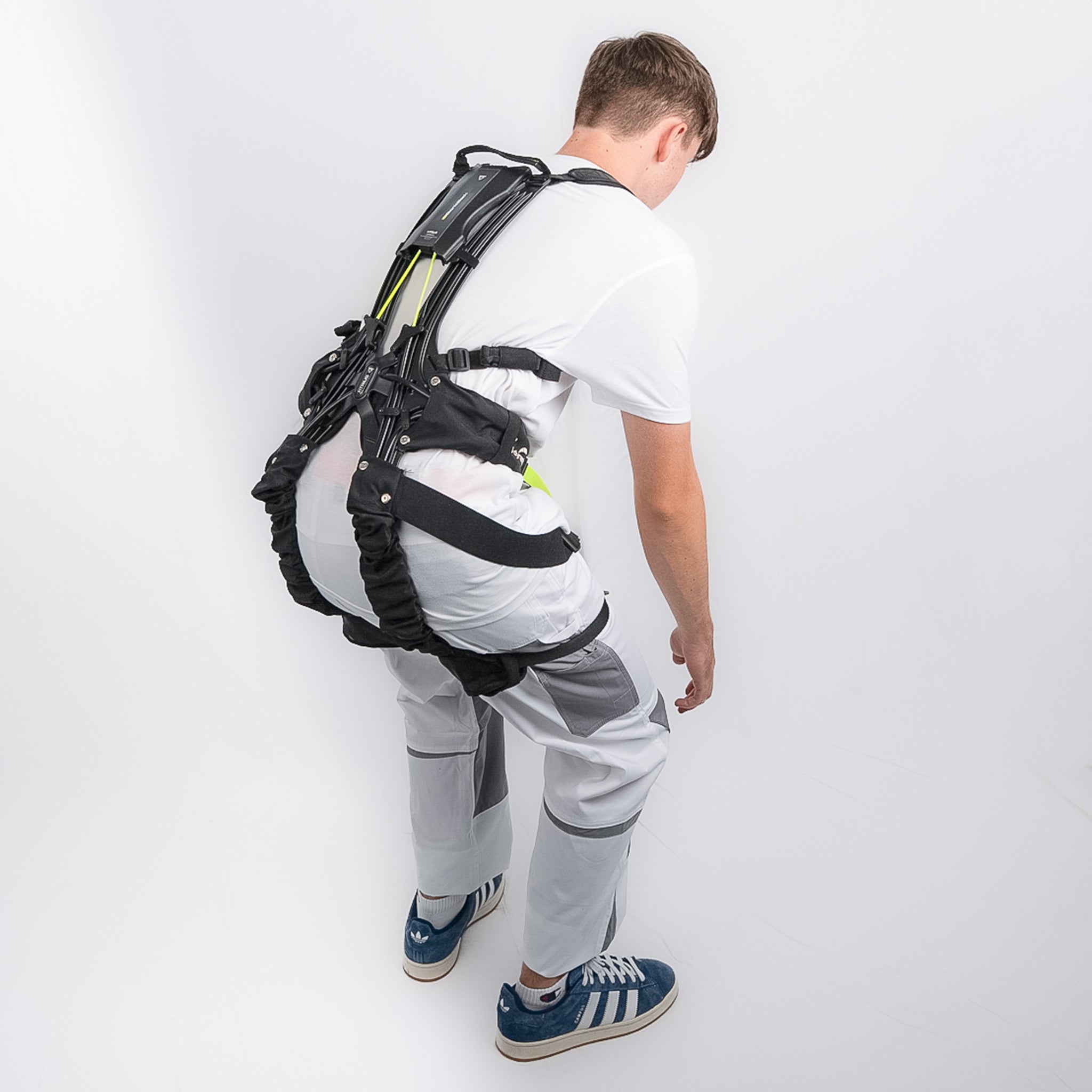
Example: The BionicBack from hTRIUS is specifically designed for the lower back. It provides support when lifting from a squatting position and significantly reduces strain on the lumbar spine. For standing activities or work in a seated position, the Chairless Chair offers an ideal solution. This leg exoskeleton serves as a portable seat, relieving strain on the legs and spine and preventing fatigue.
Why Exoskeletons Are an Investment in the Future
Exoskeletons are not a short-term trend, but an established ergonomic tool that is already being successfully used today and will continue to gain importance in the long term.
They noticeably relieve the body, reduce illness-related absences, increase motivation, and enhance performance in everyday work. Thus, they are not only an investment in technology, but primarily in people – in their health, resilience, and sustainable employability.