
Weakness in your hands? When work becomes a burden
For humans, hands are among the most important tools of all. Whether gripping, holding, pushing, pulling, or assembling: many activities demand constant strength, precision, and endurance. Especially with repetitive motions or strength-intensive hand movements, the strain on fingers, wrists, and forearms quickly increases.
Typical signs of physical overuse of hands and forearms include reduced hand strength, painful or tired hands after work, fatigue when gripping, and decreasing precision throughout the day. These problems occur particularly often where tools are held for long periods, where strong gripping is required, or where there is too little recovery time between manual tasks.
This is precisely where hand exoskeletons come in: they support the natural gripping movement, improve hand ergonomics, and help to noticeably reduce physical strain in everyday work.

Why hands and forearms tire quickly at work
Numerous structures work closely together during gripping.
Particularly important are the finger flexors (Musculi flexores digitorum), the thumb muscles, the forearm muscles, and stabilizing structures in the
wrist. These muscles and tendons must absorb, transmit, and control forces with every movement.
When high gripping forces are often repeated or sustained for long periods, the mechanical stress on the involved tissues increases significantly. In addition, the position of the hand and wrist plays an important role. Non-neutral positions, high repetition rates, and insufficient recovery periods further increase the risk of overuse injuries.
From an occupational science perspective, precisely this combination of force, repetition, and unfavorable posture is considered particularly critical. Therefore, hand ergonomics is not just a matter of comfort but also an important factor for long-term stress levels in everyday work.
What is a hand exoskeleton and how does it support hand ergonomics?
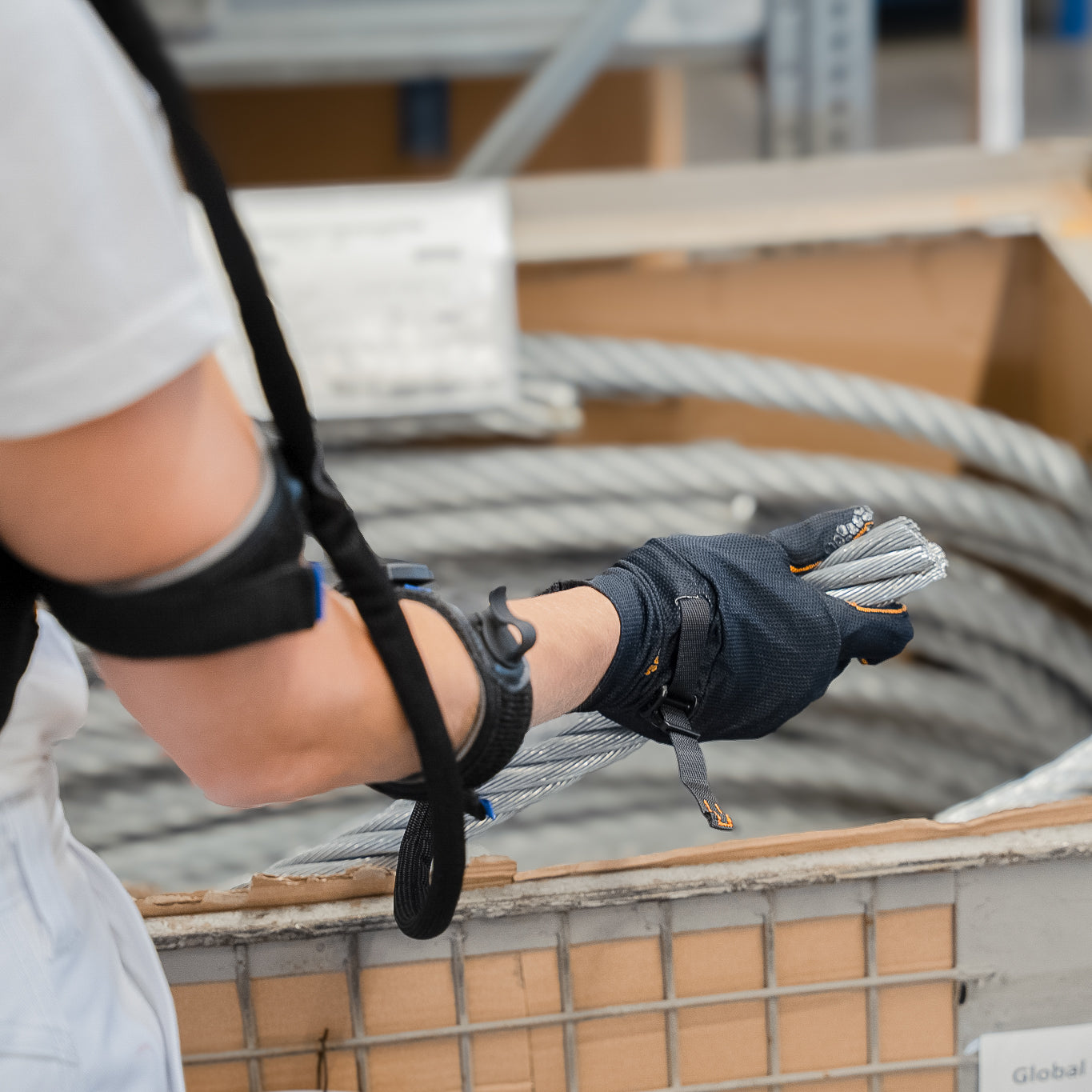
A hand exoskeleton is a wearable assistance system that
specifically supports the gripping motion of the hand. It does not replace natural movement, but rather amplifies it where additional strength is needed. This allows the user to grip, hold, or press during certain activities with less muscular effort.
Unlike traditional assistive devices, a hand exoskeleton works directly with the user's movement. It only provides support when a gripping motion actually occurs. This makes it particularly suitable for work environments where precision, endurance, and repeated hand strength are simultaneously required.
What are the benefits of hand exoskeletons?
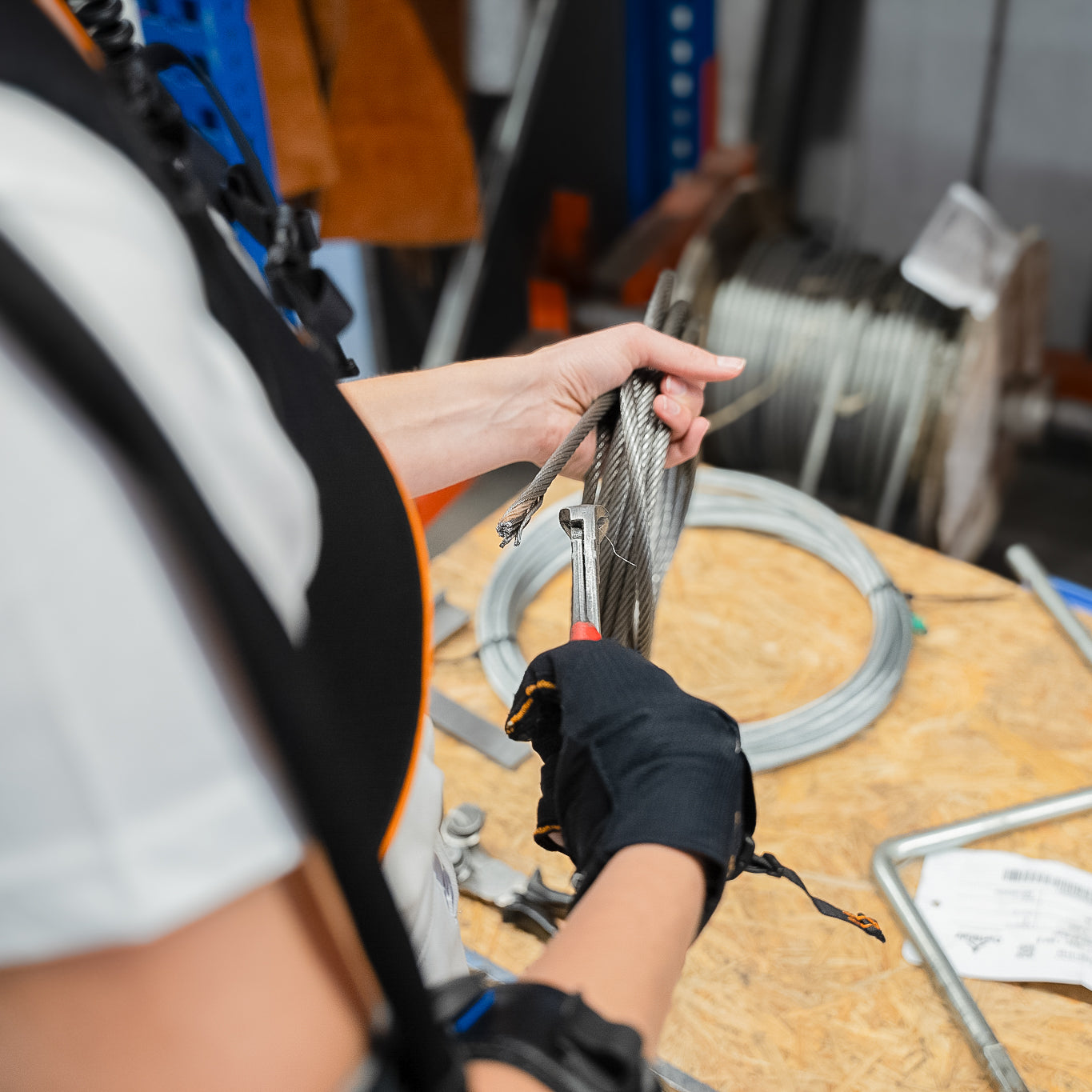
Hand exoskeletons can provide noticeable ergonomic added value in many work environments. Their advantage lies not only in supporting individual gripping movements, but primarily in reducing the overall strain over many repetitions.
- Support of natural
gripping movement - More available gripping force for
demanding hand activities - Less fatigue in hands and
forearms - Improved hand ergonomics for
repetitive work processes - Greater work relief for
force-intensive gripping tasks
Especially where many gripping movements are performed for hours, this can make a significant difference. Because not only individual strong strains, but also the sum of many repetitions, determine how much hands, tendons, and forearms are stressed.
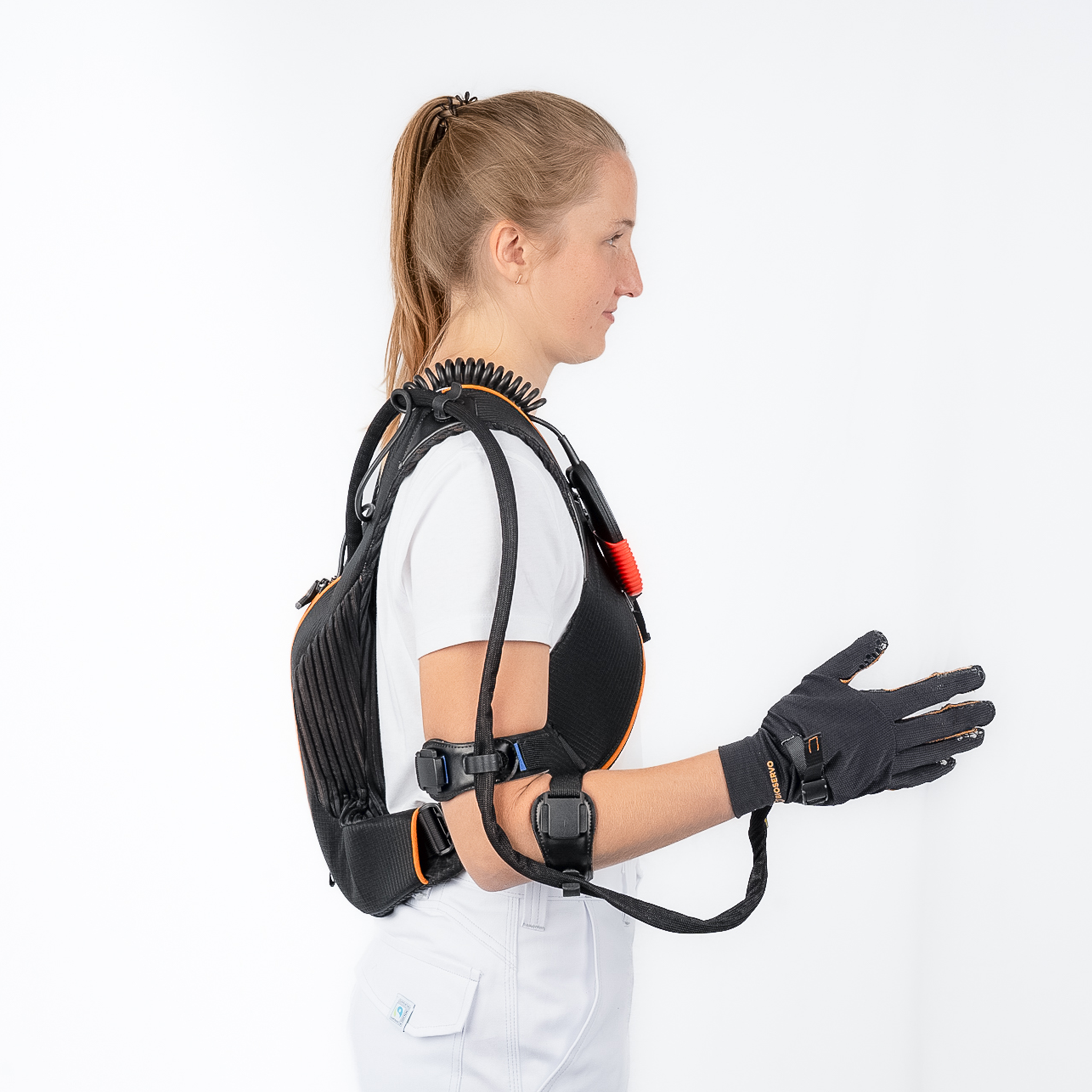
The Ironhand – modern hand support
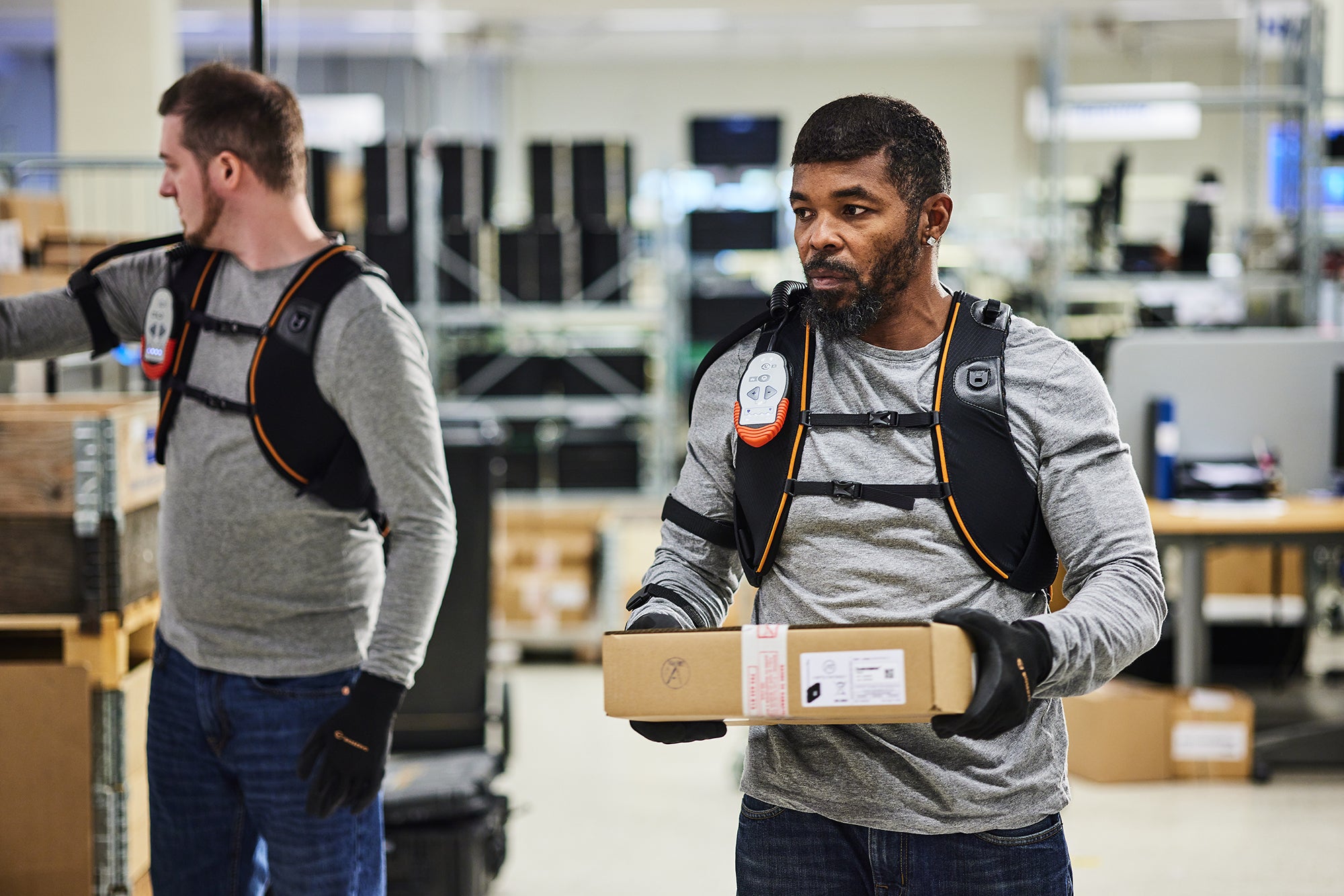
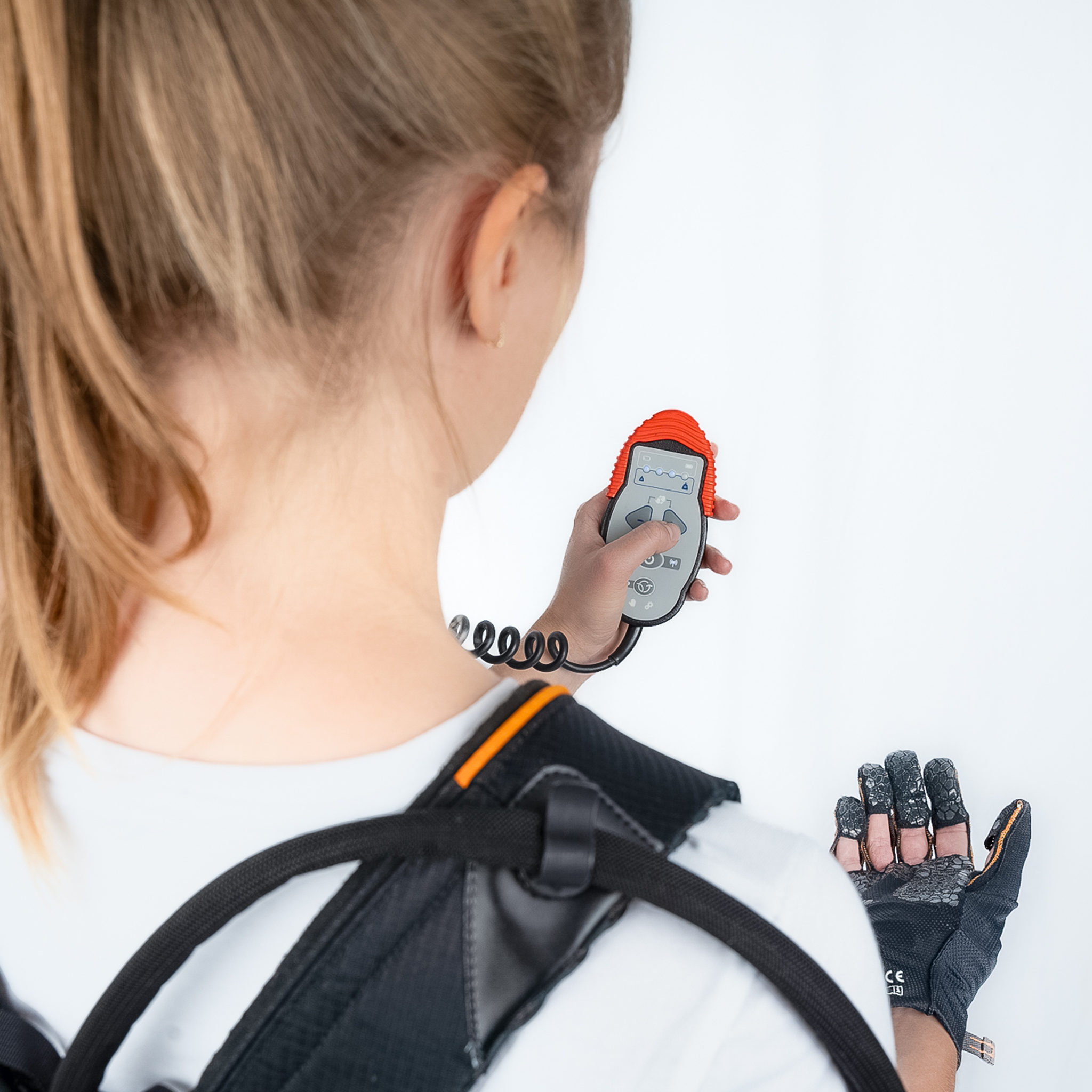
The Ironhand is an active hand exoskeleton designed to specifically support grip strength in physically demanding tasks. The system consists of an ergonomic glove with integrated sensors and a portable power unit.
As soon as the user performs a gripping motion, the system detects this impulse and actively supports the movement. Thus, a portion of the required force is provided by the system. The user can therefore grip and hold without stressing their own hand muscles to the same extent.
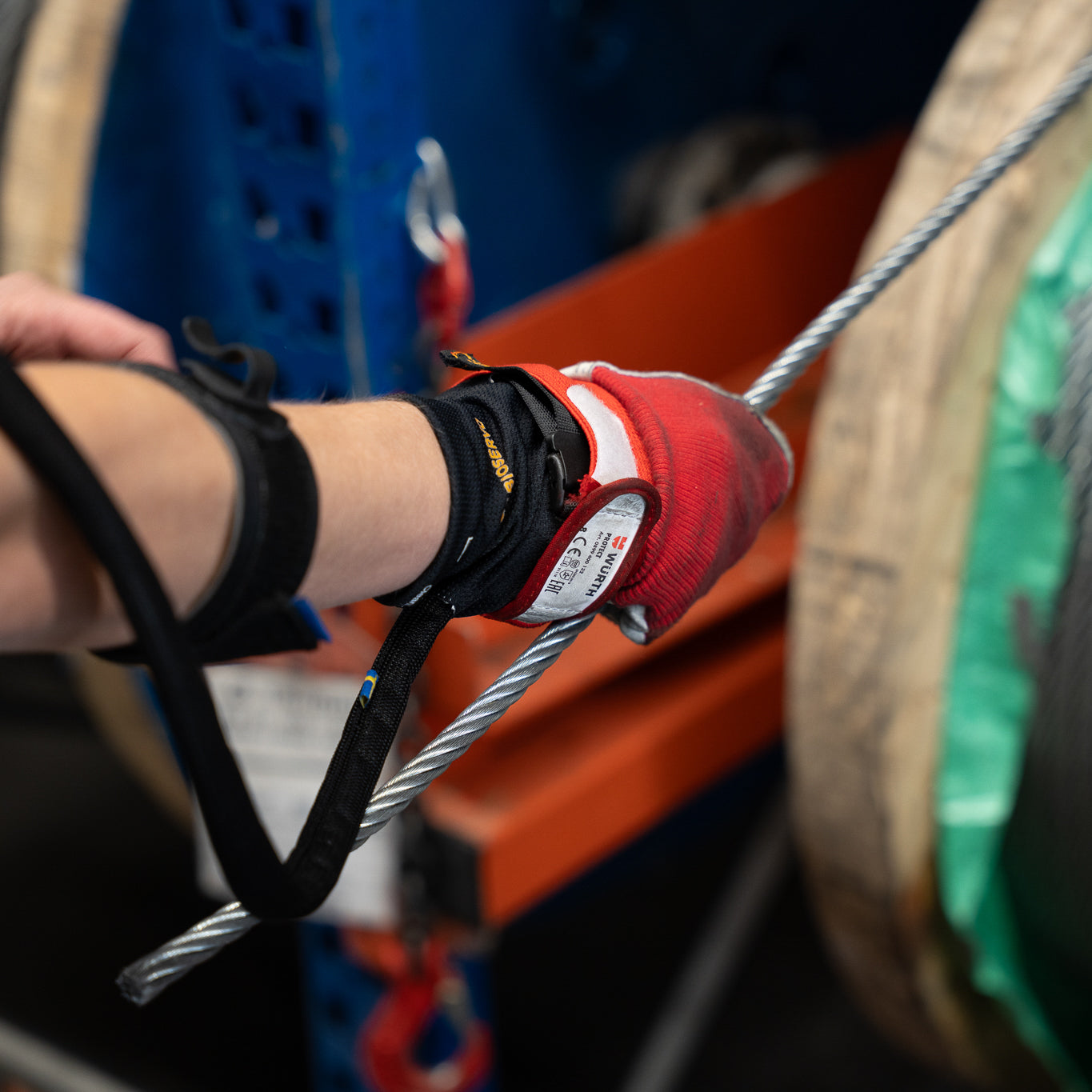
The Ironhand demonstrates how hand exoskeletons are used in practice – wherever frequent gripping, holding, or powerful grasping are part of daily work.
For what activities are hand exoskeletons suitable?
Hand exoskeletons are particularly suitable for activities where hands and forearms are regularly subjected to heavy strain. These include, among others:
- Assembly and manufacturing work
- Manual trades
- Logistics and packaging
- Maintenance and service
- Working with tools or
components
Wherever diminishing hand strength or painful hands become a problem, ergonomic support can be beneficial.
Conclusion: More grip, better hand ergonomics, and noticeable relief during work
When hands are constantly grasping, holding, and transferring force in daily work, the strain quickly increases. This is especially true for repetitive tasks, high grip strength, and long operating times. Hand exoskeletons offer a modern ergonomic solution: they support the natural gripping movement and thus help to noticeably relieve hands and forearms.
The Ironhand is a concrete example of this form of support. The result is more work relief, better hand ergonomics, and targeted relief exactly where many users reach their physical limits every day.
Get in touch with us!
FAQ – Frequently Asked Questions about Hand Exoskeletons
What is a Hand Exoskeleton?
A hand exoskeleton is a wearable assistance system that supports the gripping motion of the hand and can reduce the muscle strength required for certain activities.
What are the benefits of hand exoskeletons?
They can support grip strength, reduce fatigue in the hands and forearms, improve hand ergonomics, and provide noticeable work relief for repetitive or force-intensive tasks.
For which activities are hand exoskeletons suitable?
Especially for activities involving frequent gripping, holding or pressing, such as in assembly, crafts, logistics, service or manufacturing.
Is the Ironhand a medical device?
No. The Ironhand is an ergonomic assistance system for daily work and not a medical product.
Do hand exoskeletons restrict freedom of movement?
They are designed to support natural hand movement and integrate into typical workflows.