Exoskeletons in Nursing
Relief for caregivers with the right solution
Everyday care work is physically demanding. Caregivers assist people with getting up, repositioning, washing, dressing, and transferring. This regularly puts strain on their backs, shoulders, arms, and legs. At the same time, facilities are under increasing pressure to create ergonomic working conditions and keep employees healthy in their jobs in the long term.
An exoskeleton in care can help make physically demanding tasks more ergonomic. Modern systems mechanically support certain movements and help distribute loads better across the body. This supports caregivers particularly during recurring lifting, supporting, or holding movements.
Why exoskeletons are becoming increasingly important in nursing
Musculoskeletal disorders have been among the most common causes of illness-related absences in nursing professions for years. At the same time, the demand for qualified nursing staff is increasing due to demographic changes.
Against this background, ergonomic support systems are becoming increasingly important. Exoskeletons are not a substitute for established nursing aids or ergonomic working methods. However, they can be a useful addition when physically demanding activities are a regular part of daily work.
This is particularly interesting for:
- Elderly care facilities
- Hospitals
- Rehabilitation centers
- Outpatient care services
- Care facilities for people with disabilities
How an Exoskeleton Supports Healthcare Workers
An exoskeleton for caregivers is a body-worn support system. Depending on the design, certain muscle groups are relieved or movements are actively supported.
In care, predominantly passive exoskeletons are used. These operate without motors or batteries and use mechanical elements to redirect forces or ergonomically support movements.
Typical burdens in everyday care
Caregivers are confronted daily with tasks that place a heavy strain on the musculoskeletal system:
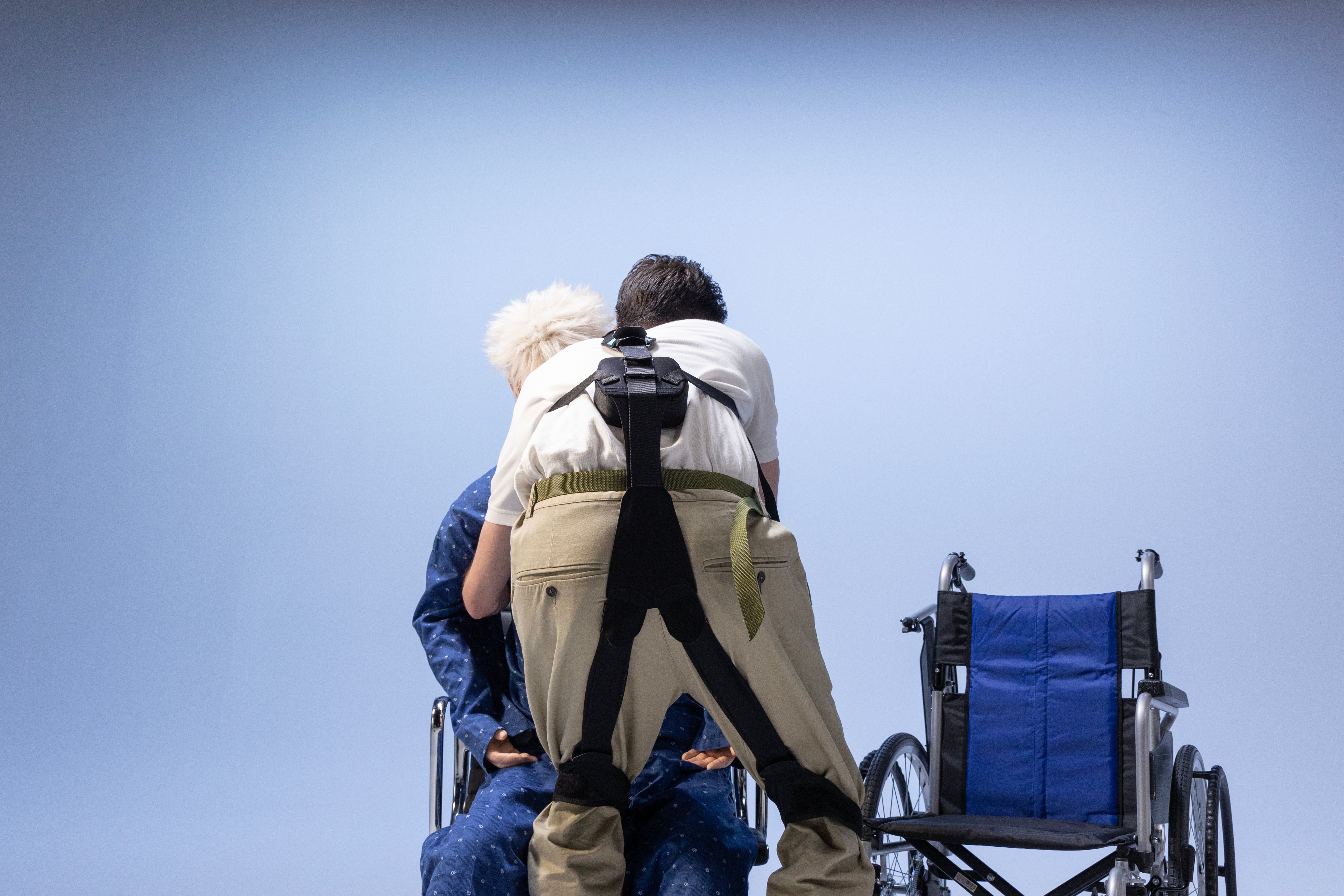
- Assistance with standing up and sitting down
- Repositioning people in bed
- Working in a bent posture
- Extended periods of standing work
- Lifting and carrying aids or
equipment - Assisting with transfers
Depending on the main focus of the strain, different types of exoskeletons may be useful.
Applications of Exoskeletons in Nursing
Depending on the application, exoskeletons support different body areas:
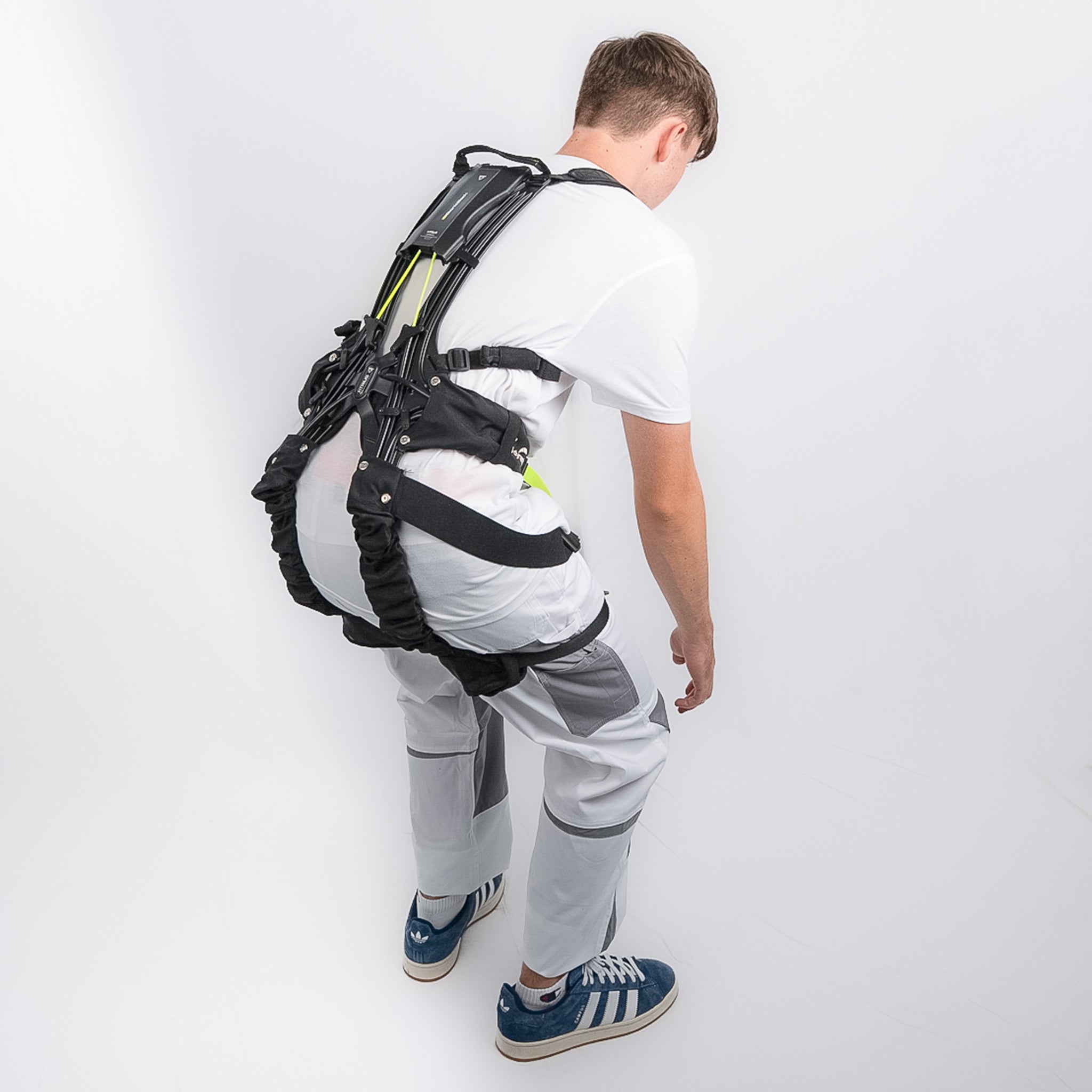
Back exoskeletons can provide support for frequent bending and lifting activities.
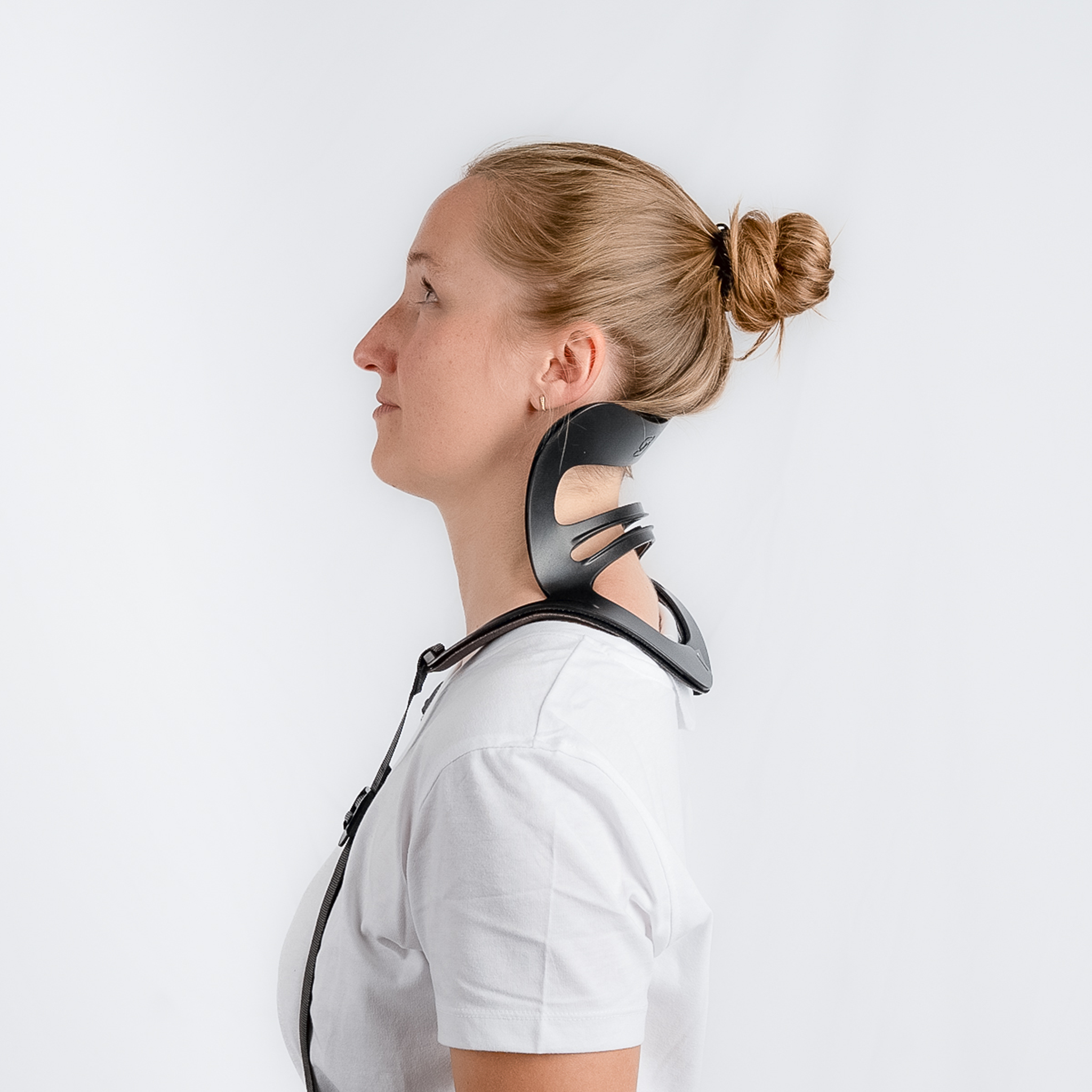
Shoulder and arm exoskeletons are suitable when arms have to be held for long periods or repetitive movements need to be performed.
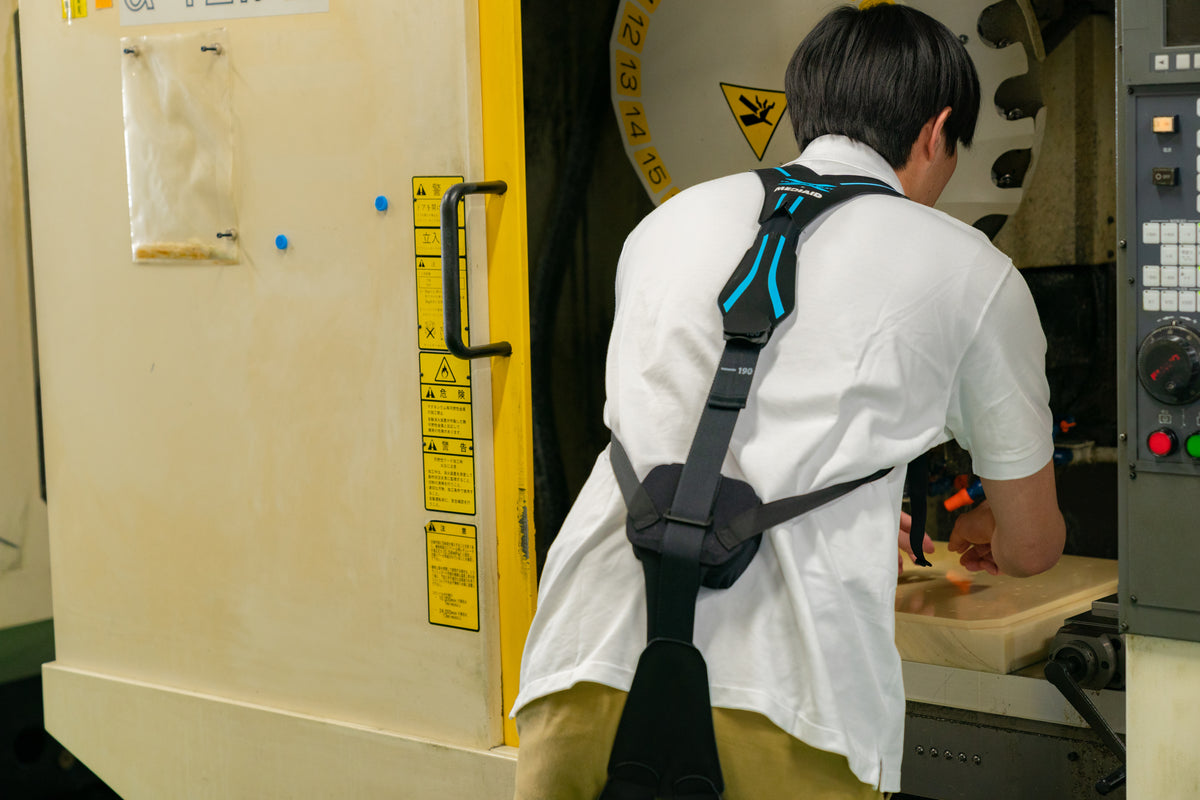
Standing support systems can be helpful for tasks performed in a standing position for extended periods. This can contribute to ergonomics, especially in certain medical or care work areas.
Exoskeletons in Elderly Care and Hospitals
Exoskeletons in elderly care are often discussed in situations where employees regularly assist, reposition, or mobilize residents. It is precisely in these areas that many physically demanding situations occur multiple times a day.
Hospitals are also increasingly looking into ergonomic assistance systems. In addition to wards, potential areas of application include functional areas, operating room environments, or rehabilitation departments.
However, it is crucial to recognize that not every facility has the same requirements. Workflows in a nursing home differ significantly from those in a hospital or outpatient care service. Therefore, the selection of an exoskeleton should always be based on the actual strain situation.
Which exoskeleton is right for nursing?
The biggest challenge is often not finding an exoskeleton, but rather choosing the right model.
- The following questions play an important role here:
- Which body region should be supported?
- Which activities cause the greatest strain?
- How long will the system be worn daily?
- Who will use the exoskeleton?
- How can the solution be integrated into existing workflows?
Since numerous manufacturers offer different concepts, independent advice is worthwhile. This is the only way to assess which solution truly fits the respective application.
Not only learn about exoskeletons, but also test them practically
Many care facilities face a similar situation: the topic of exoskeletons sounds interesting, but those responsible want to know whether the technology works in their own work environment before making a decision.
This is precisely why practical tests are so important. Only in real-world use does it become clear,
- how well an exoskeleton is accepted,
- whether the support is suitable for the task,
- which employees benefit most from it,
- and which solution offers the greatest long-term benefit.
A sound decision is not based on product data sheets alone, but on practical experience in everyday work.
noonee as a Partner for Consulting, Testing, and Implementation
If you are interested in exoskeletons for care, noonee is the right place to start.
As a specialized exoskeleton marketplace, noonee supports companies and institutions not only with product selection, but primarily with the evaluation of specific use cases. The focus is not on a single product, but on the question of which solution is suitable for the respective stress situation. noonee deliberately positions itself as a consulting and problem-oriented partner for companies and organizations that want to systematically evaluate exoskeletons.
Our services include:
- personal consultation by exoskeleton specialists
- analysis of stress situations in everyday care
- support with product selection
- test deployments and practical trials
- support with implementation in facilities
This gives care facilities the opportunity not only to learn about exoskeletons in theory, but also to evaluate their actual benefits in their own environment.
Conclusion & Further Information
An exoskeleton in nursing care can make a significant contribution to greater ergonomics in everyday work. Whether it's geriatric care, hospitals, or outpatient nursing services: the requirements differ from institution to institution. Therefore, choosing the right solution is crucial.
Those who want to successfully deploy exoskeletons for caregivers should rely on practical tests, sound advice, and an objective assessment of existing burdens. This is precisely where noonee, as a specialized contact for exoskeletons, tests, and ergonomic workplace solutions, provides support.