
BionicBack
€2.880,00
Shipping calculated at checkout.
The Exoskeleton for Back & Spine
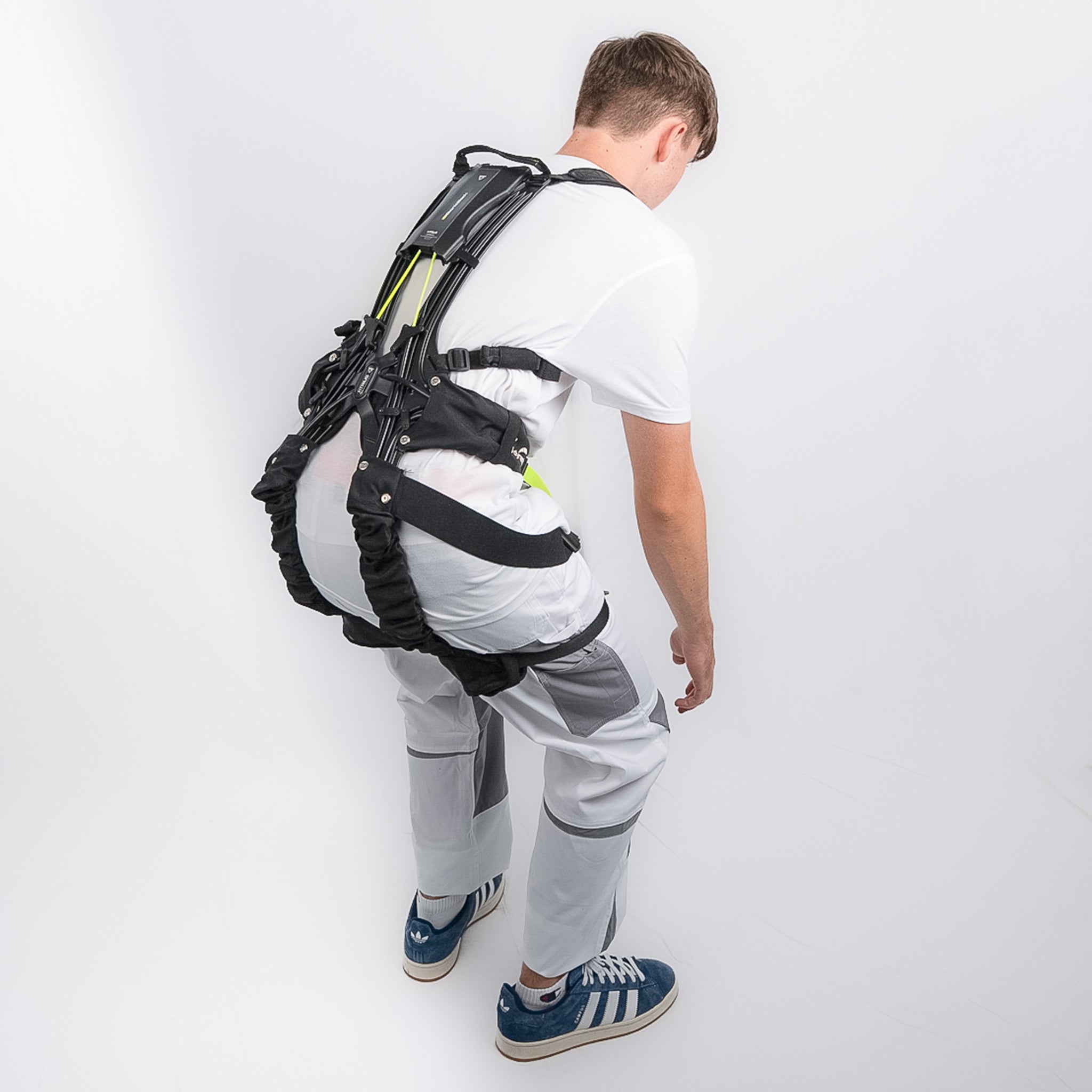
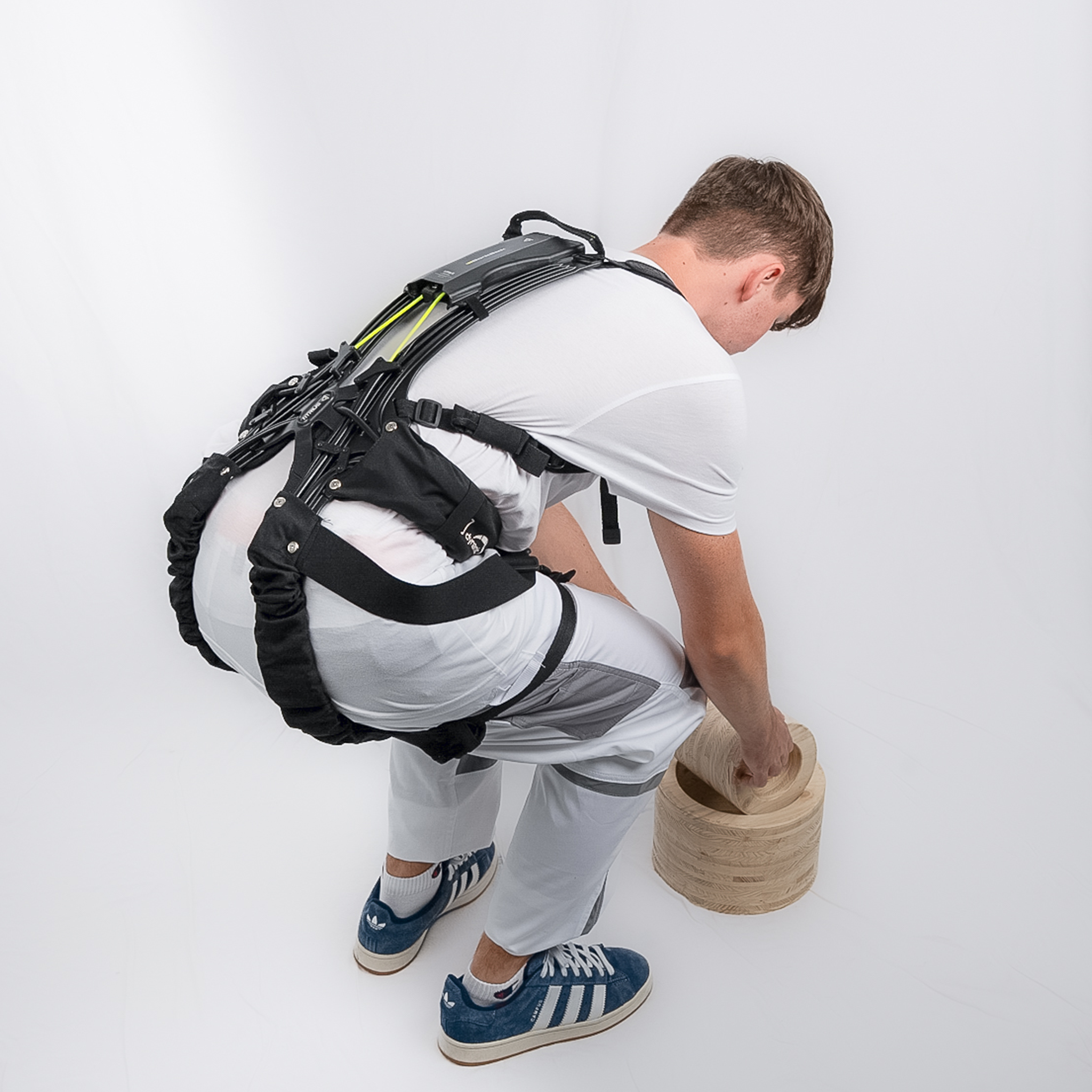
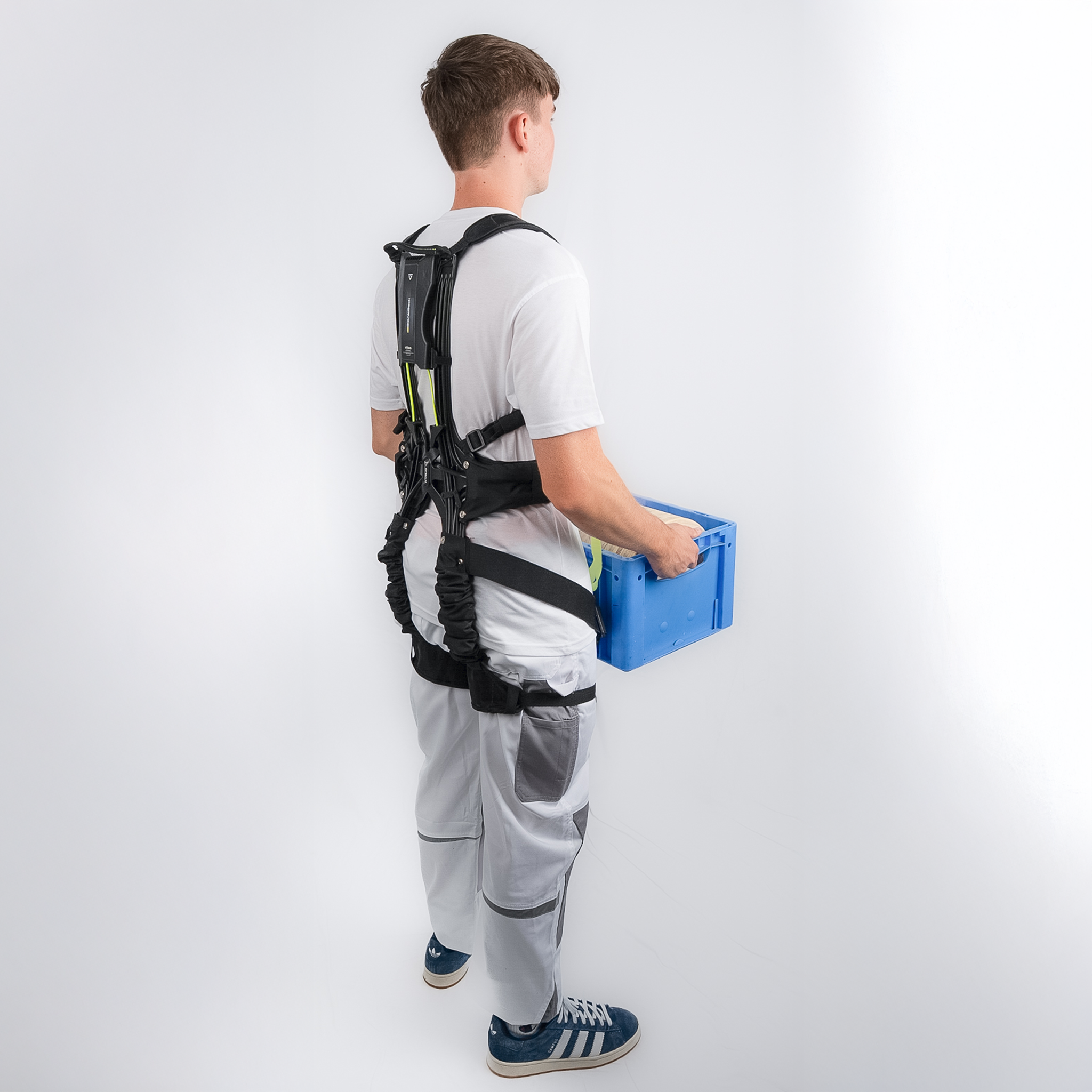
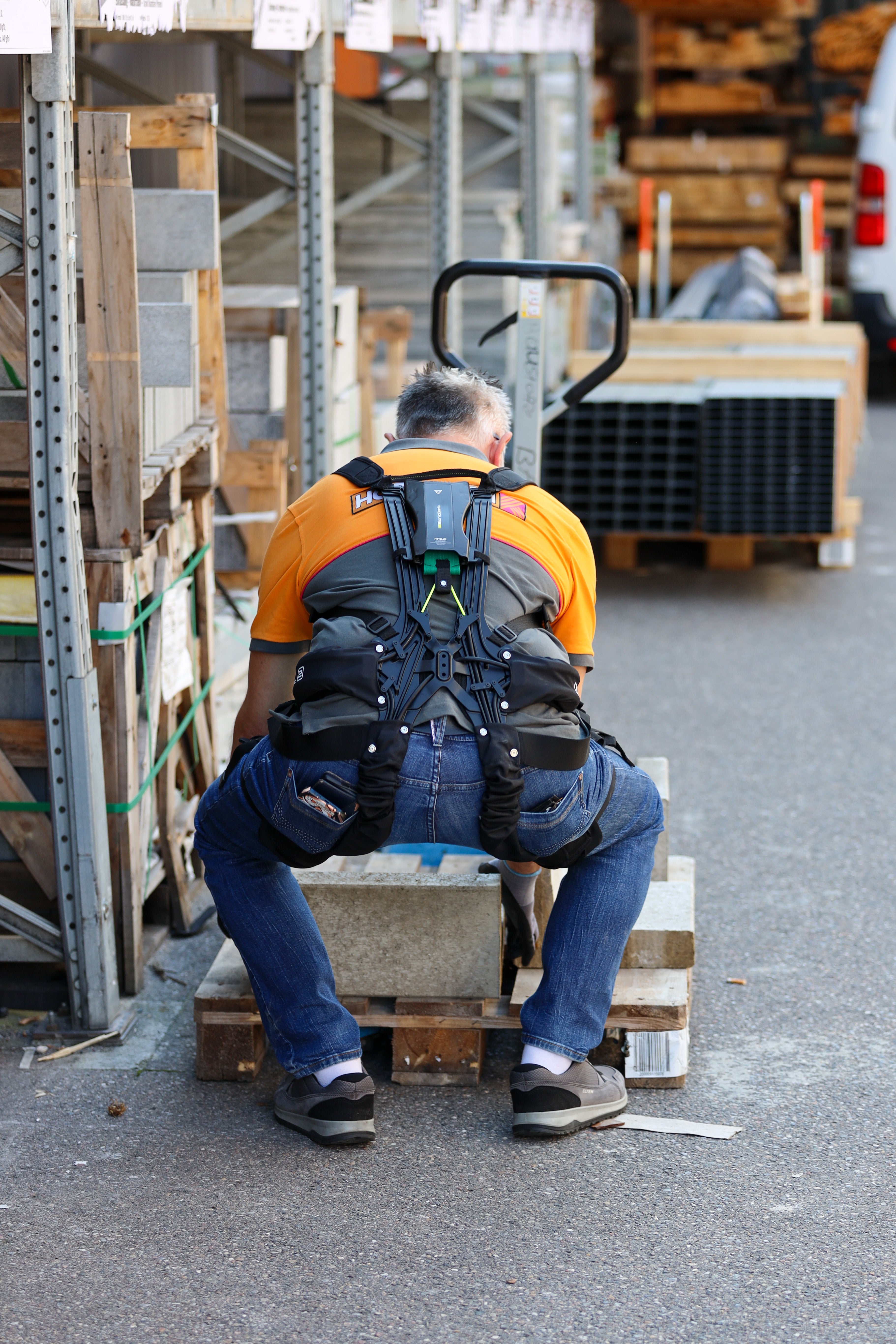
The BionicBack from hTRIUS is a passive back exoskeleton – developed for people who frequently lift, bend, or work in a stooped posture.
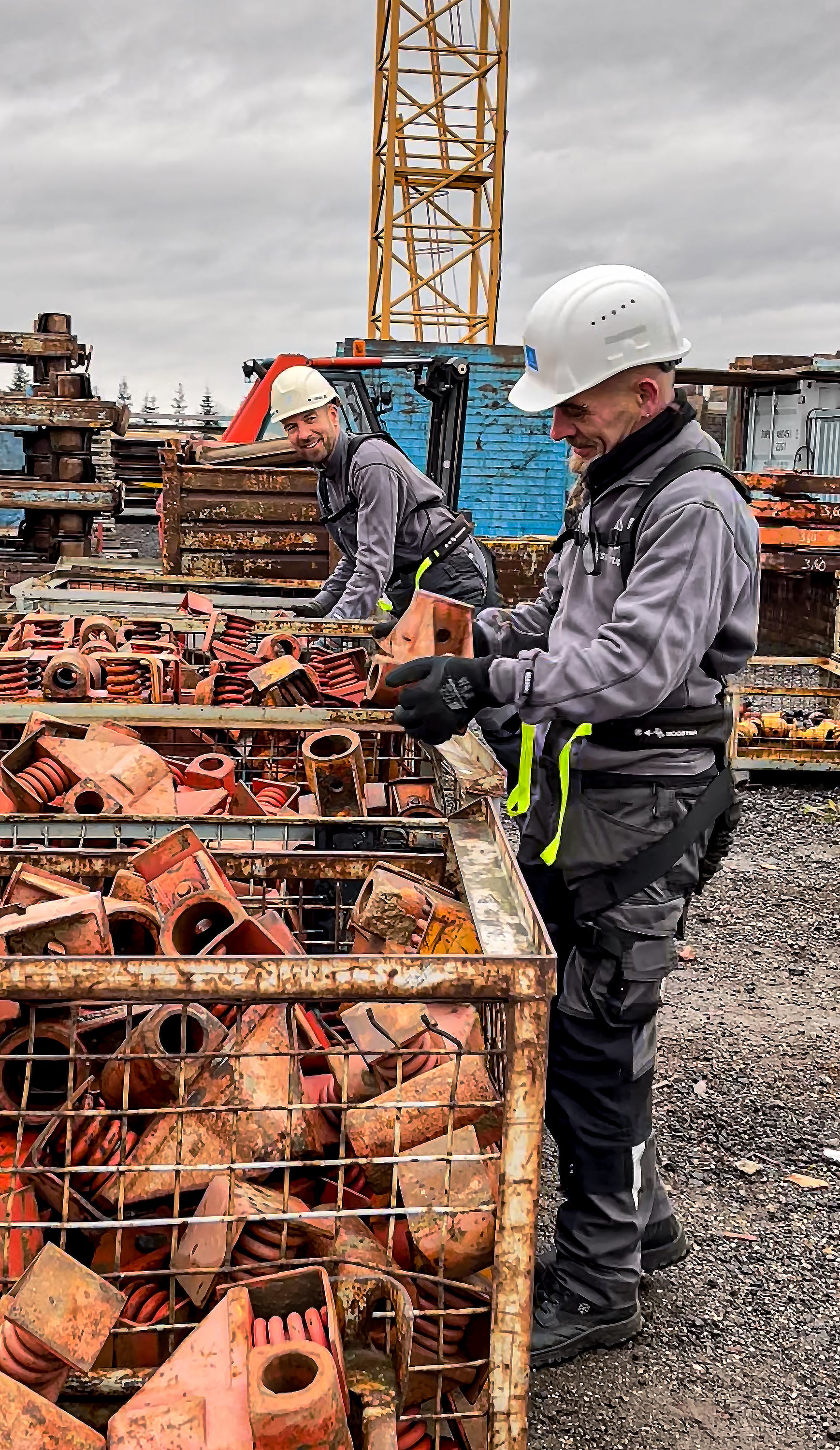
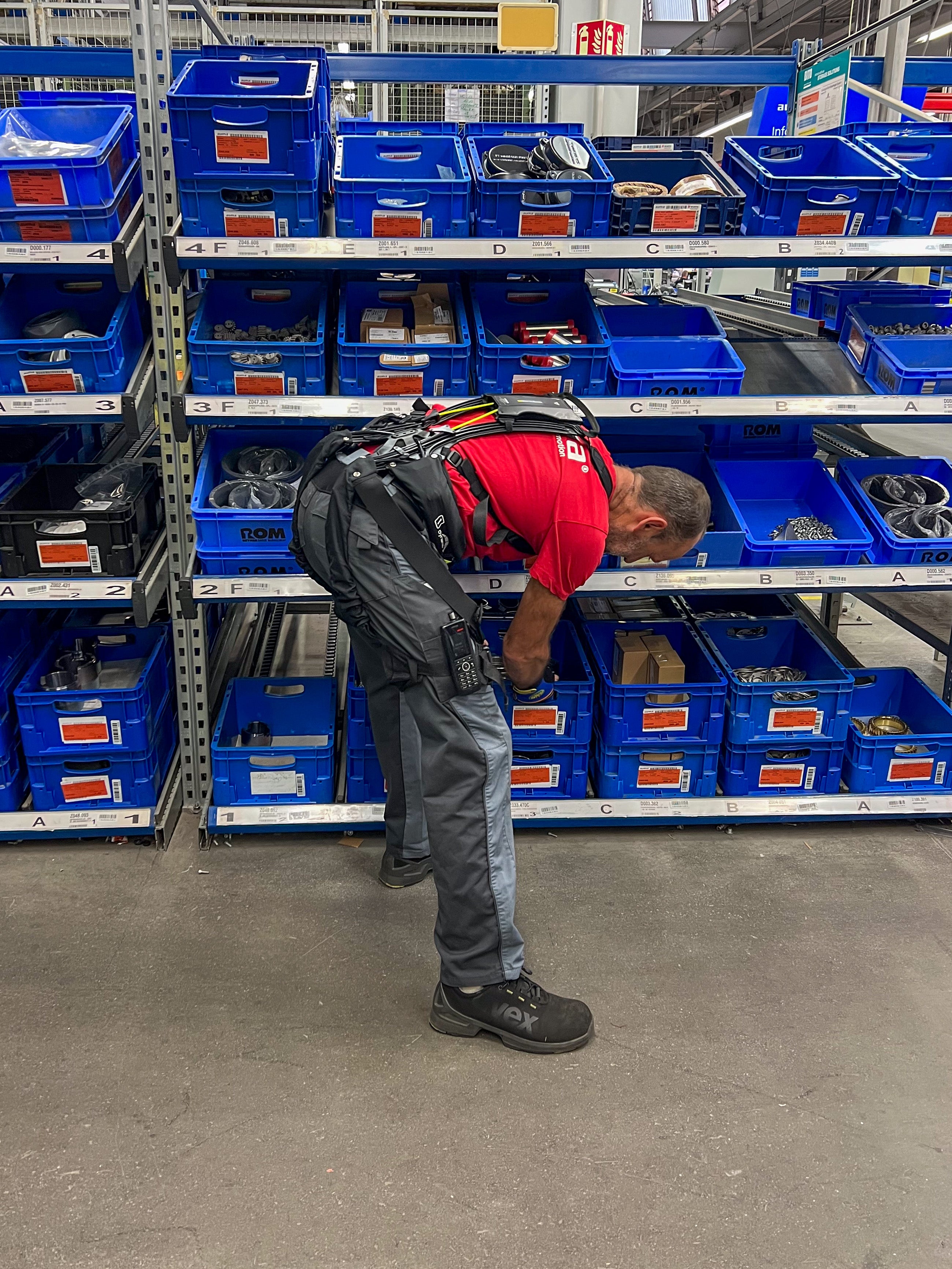
The BionicBack is the ideal solution for physically demanding work. This lightweight, passive exoskeleton reduces the strain on the back and spine during dynamic movements such as frequent bending and lifting, as well as during static activities in a stooped posture. Without any power, it supports a healthy posture and prevents fatigue. Thanks to its ergonomic design and continuously adjustable settings, the BionicBack offers maximum freedom of movement – even with frequent changes of location. Perfect for professional use and private use.
Your Advantages at a Glance
- Back relief: Reduces strain on the spine and back muscles during frequent bending and lifting
- Dynamic & static: Supports both movements and static postures in a bent-over position
- Posture correction: Promotes a healthy, upright posture in daily work
- Less fatigue: More energy and performance throughout the workday
- Passive & maintenance-free: No battery, no motor – reliable and lightweight (only 1.3 kg)
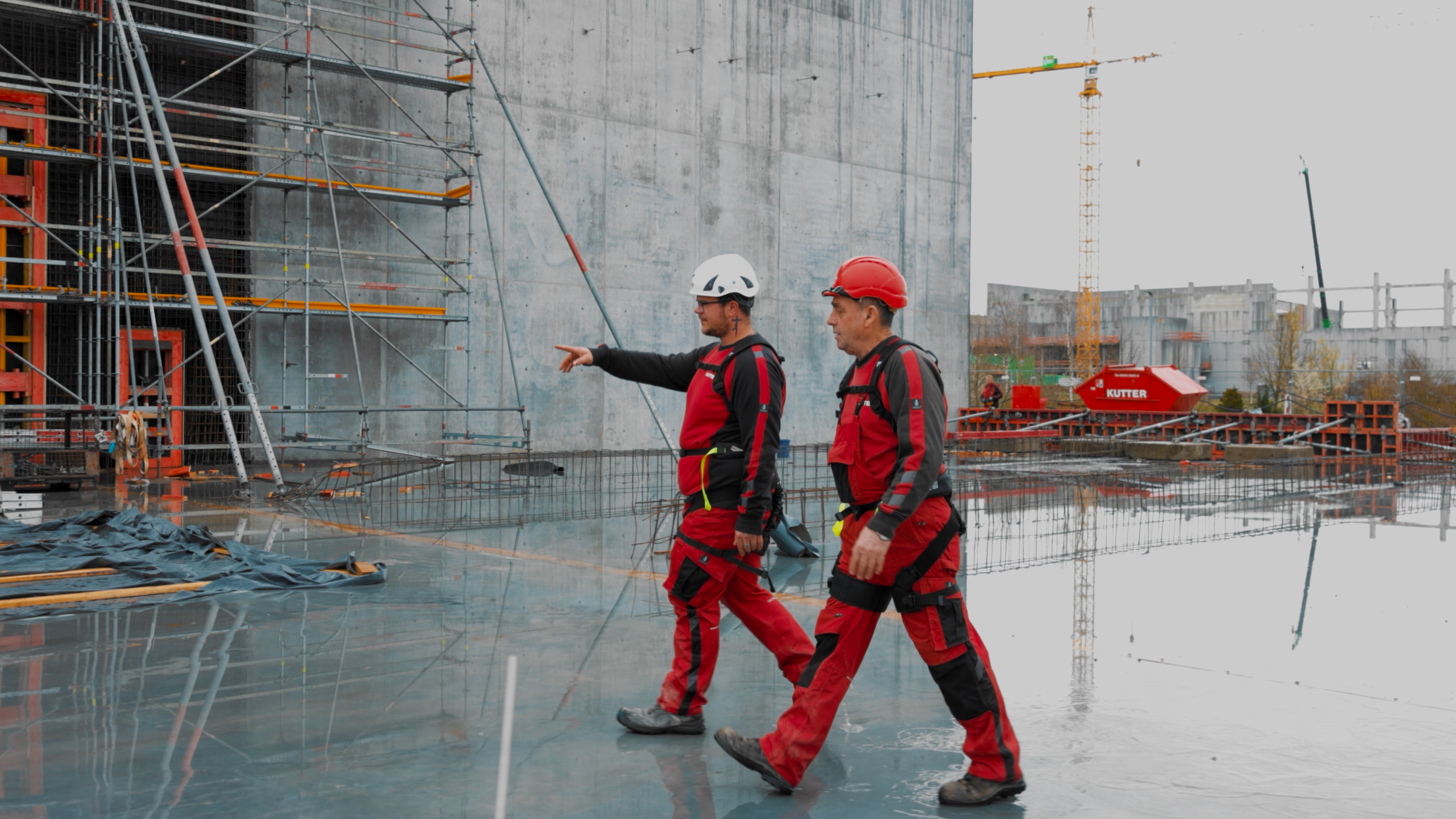
- Maximum freedom of movement: Continuously adjustable, ideal even with frequent changes of location
Technical Details
- Weight: 1.2 kg
- Type: Passive back exoskeleton
- Manufacturer: hTRIUS
- Area of application: Industry, logistics, warehousing, construction, crafts, landscaping, wholesale/retail, care, and much more.
- Adjustable: Yes, continuously adjustable
Buy an exoskeleton now and permanently protect your back and spine – directly from noonee, your specialist for ergonomic exoskeletons.


Matching accessories
If you have any questions, you are always welcome to contact us. We'll get back to you as soon as possible, within 24 hours on weekdays.
-
Delivery information
Use this text to answer questions in as much detail as possible for your customers.
-
Customer support
Use this text to answer questions in as much detail as possible for your customers.
-
FAQs
Use this text to answer questions in as much detail as possible for your customers.
-
Ways to find us!
Use this text to answer questions in as much detail as possible for your customers.
Tätigkeit
Einschätzung
Grenzen / Hinweise
Tätigkeit
Dynamisches Heben und Tragen
Einschätzung
Sehr guter FIT
Das Bionic Back unterstützt den unteren Rücken bei wiederholtem Beugen, Heben und Aufrichten.
Grenzen / Hinweise
Lastgrenzen und richtige Hebetechnik bleiben weiterhin entscheidend.
Tätigkeit
Kommissionierung aus niedrigen Behältern
Einschätzung
Sehr guter FIT
Stark passend bei häufigem Vorbeugen, Greifen und Aufrichten über den Arbeitstag.
Grenzen / Hinweise
Besonders sinnvoll bei wiederkehrenden Bewegungsmustern.
Tätigkeit
Statische vorgebeugte Haltung
Einschätzung
Guter FIT
Kann bei längerem Halten ungünstiger Körperhaltungen entlasten.
Grenzen / Hinweise
Unterstützungsmodus passend einstellen und Trageakzeptanz prüfen.
Tätigkeit
Fahrzeugnutzung oder Sitzen im Wechsel
Einschätzung
Bedingt geeignet
Muss im Arbeitsablauf geprüft werden.
Grenzen / Hinweise
Bei sehr häufigem Ein- und Aussteigen können andere Systeme praktischer sein.
Tätigkeit
Überkopfarbeit
Einschätzung
Kein FIT
Das System ist auf Rückenentlastung ausgelegt, nicht auf Schulter- oder Armunterstützung.
Grenzen / Hinweise
Für Arbeiten über Schulterhöhe Ekso Evo prüfen.
Features of the BionicBack
This is how the BionicBack works
The BionicBack supports both dynamic and static work: Dynamic support – facilitates repeated bending, lifting, and moving heavy loads, and static support – relieves back strain during prolonged activities performed in a forward-leaning posture. The exoskeleton fits snugly against the body without restricting freedom of movement – ideal for frequent changes of location. Thanks to its patented design, sitting with the BionicBack is also easily possible. Improve workplace ergonomics and protect your health without any modifications.
Scope of delivery of the BionicBack
The BionicBack exoskeleton comes with the exoskeleton itself and an instruction manual.
Easier than you think!
The BionicBack is exceptionally lightweight at around 1.2 kg, discreet, and flexible. It supports the back without restricting freedom of movement – ideal for everyday life and work.
Passive exoskeleton
The BionicBack is a passive exoskeleton. No battery or power supply is required for its use.
FAQ about the BionicBack
Visit our FAQs page to learn more.
Which exoskeleton is suitable for which body size?
The BionicBack is available in one size. The exoskeleton can be worn by people between 165 and 195 cm tall.
Why buy an exoskeleton?
Purchasing an exoskeleton is worthwhile if employees regularly work in strenuous positions – such as standing, squatting, or bending over. The exoskeleton reduces physical strain, supports ergonomically correct posture, and improves workplace safety.
Is the BionicBack washable?
The textile components of the BionicBack can be removed and washed at a maximum of 40°C without fabric softener.
How does the BionicBack support the requirements of DIN EN ISO 9241?
DIN EN ISO 9241 defines ergonomic principles for workplaces. The BionicBack helps support these requirements by promoting an ergonomically favorable posture, reducing static loads while standing, and enabling regular relief positions. Thus, it can meaningfully complement companies in implementing ergonomic measures and preventing muscular overloads.
What do I need to consider when conducting a risk assessment for an exoskeleton?
As part of the risk assessment, we examine the physical strain present and how an exoskeleton can be effectively integrated. We support companies with the ergonomic evaluation, selection of the appropriate model, and documentation in accordance with legal requirements.
- Choosing a selection results in a full page refresh.
- Opens in a new window.