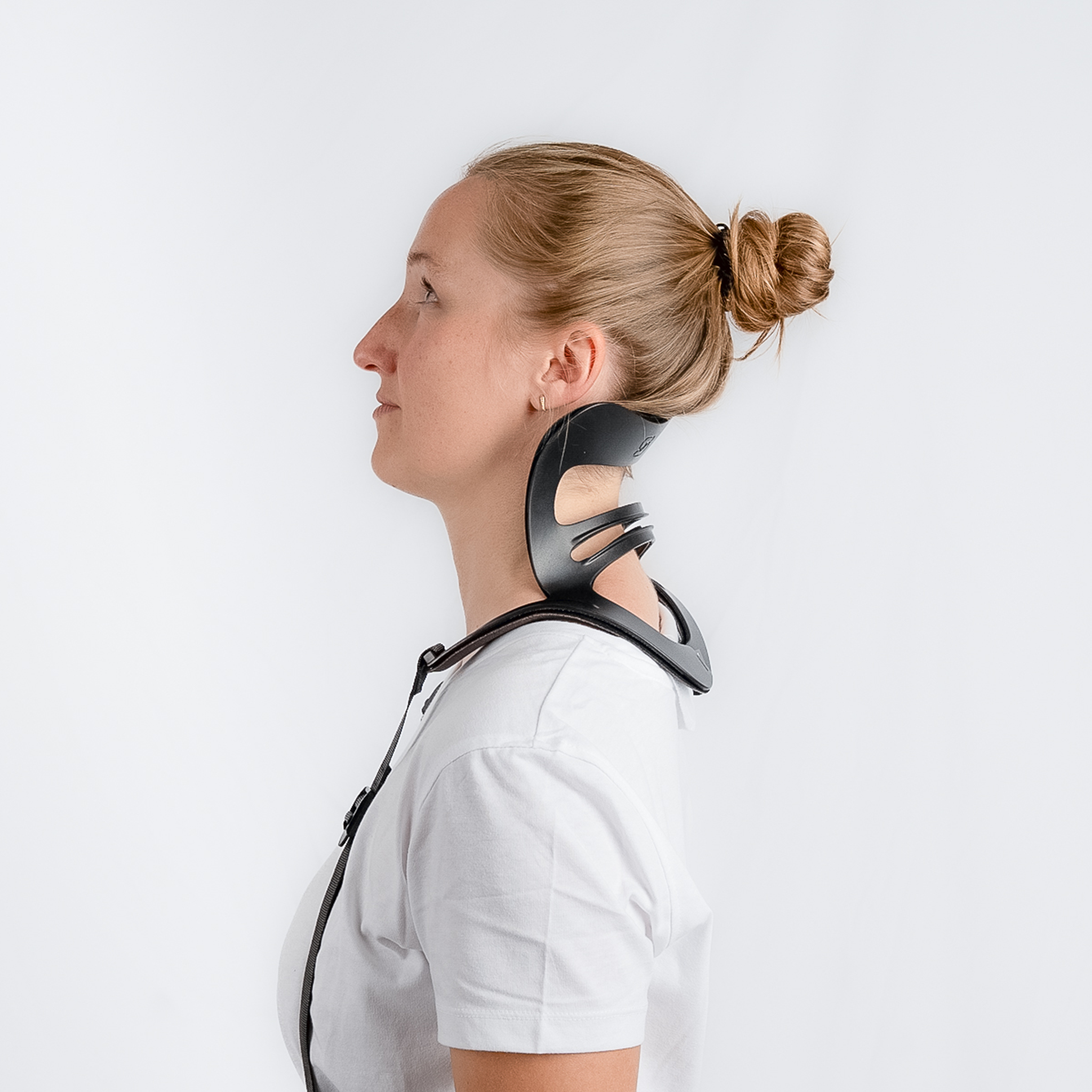
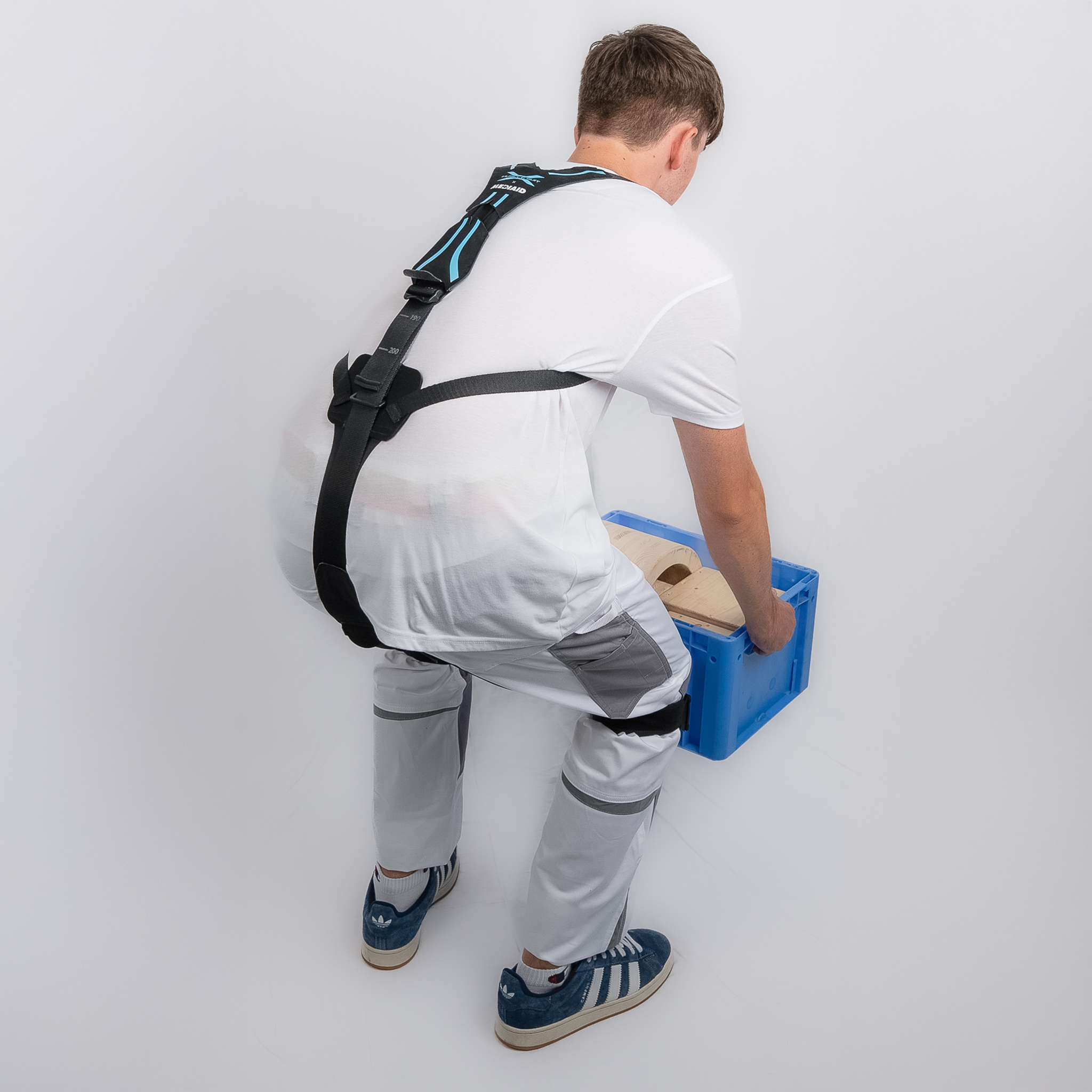
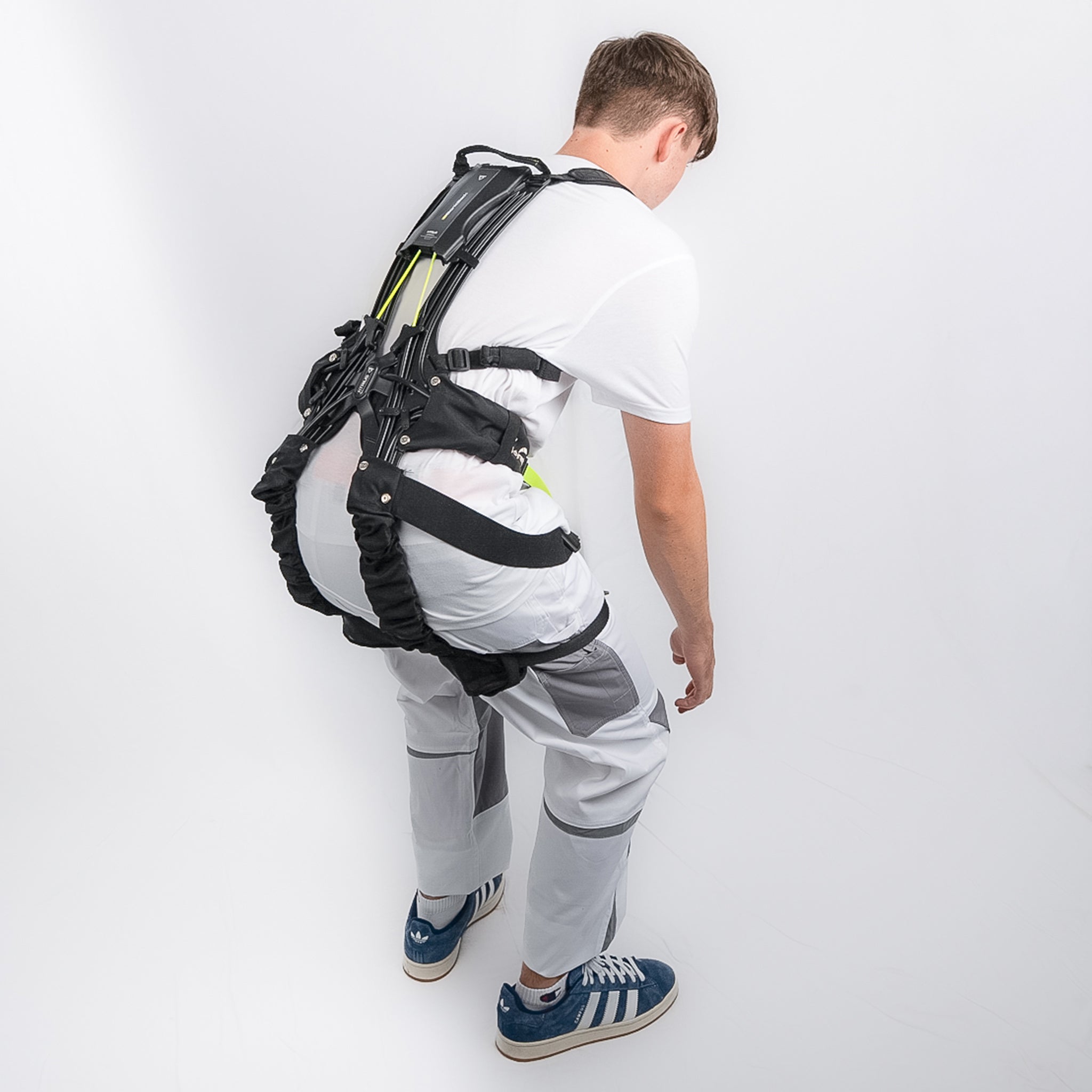
Acceptance of exoskeletons among employees
Acceptance of exoskeletons among employees
A technically suitable exoskeleton only delivers its benefits in operation if employees actually wear it. Employee acceptance is therefore not a side effect of its introduction, but one of its most important prerequisites.
It is not enough to simply provide an exoskeleton and explain its benefits. Employees must experience that the system fits the task, can be used safely, and offers them a tangible benefit in their everyday work. Equally important is an environment in which wearing an exoskeleton is perceived neither as a sign of weakness nor as special treatment.
The implementation phase plays a crucial role in this. An operational practice studied by the French occupational safety institute INRS showed that users were sometimes insufficiently involved and were given little time for acclimation and training. It was precisely these factors that hindered acceptance.
Without acceptance, the exoskeleton remains unused.
An exoskeleton can be selected for sound ergonomic reasons and be of high technical quality. If employees find it uncomfortable, disruptive, unnecessary, or stigmatizing, it will still not be used long-term.
Companies should therefore not wait until resistance arises to assess acceptance. It must be a selection criterion from the very beginning. This includes questions such as:
- Does the exoskeleton support the movement that is actually strenuous?
- Does it fit different body sizes?
- Can it be put on and adjusted without much effort?
- Do necessary movements remain possible?
- Can employees express their experiences openly?
- Do they understand why the company is introducing the technology?
According to findings by the Federal Institute for Occupational Safety and Health, long-term use depends, among other things, on wearing comfort, availability, and adjustment options. A precise fit is therefore not just a detail, but an essential factor for acceptance.
What influences the acceptance of exoskeletons?
Perceived benefit in everyday work
Employees must be able to understand the support provided in their specific work. General statements about ergonomics are not sufficient for this. What is decisive is the experience at the respective workstation: Does a strenuous posture feel less taxing? Is a repetitive movement being supported? Or do new limitations arise elsewhere?
In the study described by the Commission for Occupational Health and Safety and Standardization, employees did report less physical exertion, but not automatically less fatigue. The production output was described by the respondents as being the same with and without an exoskeleton. Such results suggest that benefits should not be communicated solely through productivity or a general promise of relief.
Comfort, fit, and freedom of movement
An exoskeleton is worn directly on the body. Pressure points, heat accumulation, heavy weight, restricted movement, or frequent readjustments are therefore immediately noticeable.
Employees should be able to try out different sizes and settings. A system that fits one person well is not automatically suitable for another. The interaction with work clothing, personal protective equipment, tools, vehicles, and spatial conditions must also be considered in the actual workflow.
The research results from the BAuA underline both the importance of suitable adjustment options and the potential changes in body kinematics and movement sequences.
Security and trust
Employees must know which activities the exoskeleton is intended for, what its limitations are, and how it is correctly adjusted. Unresolved safety concerns create uncertainty and have a direct impact on the willingness to use the device.
Instruction should therefore not only explain how to put it on. It should also clarify:
- which movements are supported,
- which activities are not intended,
- what to do in the event of pressure marks or discomfort,
- who to contact for technical or ergonomic questions,
- how feedback is documented and processed.
Safety and ease of use are described as indispensable factors in the evaluated acceptance study. Therefore, forced use of a technology that is not accepted can entail additional physical or psychosocial risks.
Reactions from colleagues and managers
Acceptance is not just a matter between human and technology. Equally important is how colleagues and supervisors react to the exoskeleton.
In the group studied by the INRS, wearing it was not positively received by colleagues. The social context can thus become a hurdle even if the system functions technically.
Managers should therefore make it clear early on: An exoskeleton is not a sign of a lack of resilience. It is a tool for the ergonomic design of suitable tasks. Derogatory remarks or demonstratively singling out individual users undermine this message.
Frequent points of criticism from employees
“The exoskeleton restricts me”
This objection must be tested in practice. Possible causes include an unsuitable design, incorrect settings, or a task that requires many other movements in addition to the supported motion.
Appropriate reaction: Observe the movement sequence, correct the settings, test alternative systems, and use the exoskeleton only for suitable subtasks.
“It is uncomfortable and too much effort”
If putting it on, adjusting it, and taking it off are complicated, the likelihood of regular use decreases. The same applies to pressure points, heat buildup, or frequent readjustment.
Appropriate reaction: Conduct sufficiently long practical tests, document individual settings, and integrate putting it on into the actual workflow. Complaints must not be dismissed as merely a matter of getting used to it.
“Now everyone will think I’m not capable of doing the work”
This concern does not relate to the product, but to the culture of implementation. It arises particularly easily if only individual persons with known complaints receive an exoskeleton.
Appropriate reaction: Link the offer to strenuous activities rather than to supposedly weak individuals. Communicate the preventive purpose and enable all suitable employees to test a appropriate system.
“This is just supposed to make me do more”
If the introduction is justified exclusively by performance, cycle time, or efficiency, the exoskeleton may appear as an instrument for increasing work intensity.
Appropriate reaction: State goals transparently. The focus should be on reducing strain, ergonomic workplace design, and safe processes. Expectations regarding work performance must not be changed without a sound operational assessment.
“I don’t know if it’s really safe”
Uncertainty arises when selection criteria, operational limits, and responsibilities remain unclear.
Appropriate reaction: Involve occupational health and safety, ergonomics officers, and users in the selection process. Suitability must be verified for the specific task and in the specific work environment.
Successfully introducing exoskeletons: seven steps
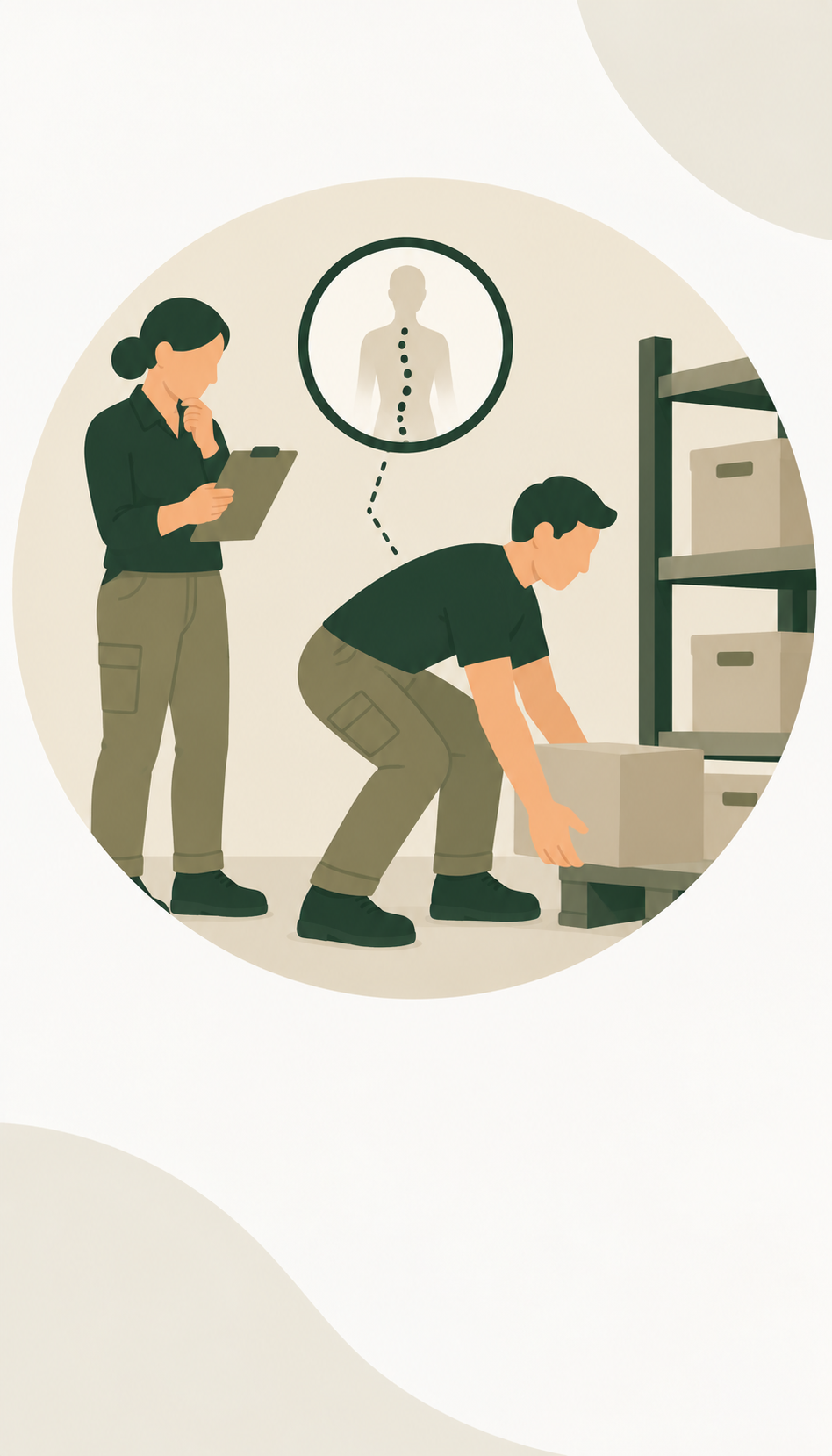
Step 1
Analyze strenuous activities
Do not start with a specific product, but with the activity. Determine which movements, postures, or peak loads should be improved. An exoskeleton should not be used simply because it is generally available.
Step 2
Involve employees at an early stage
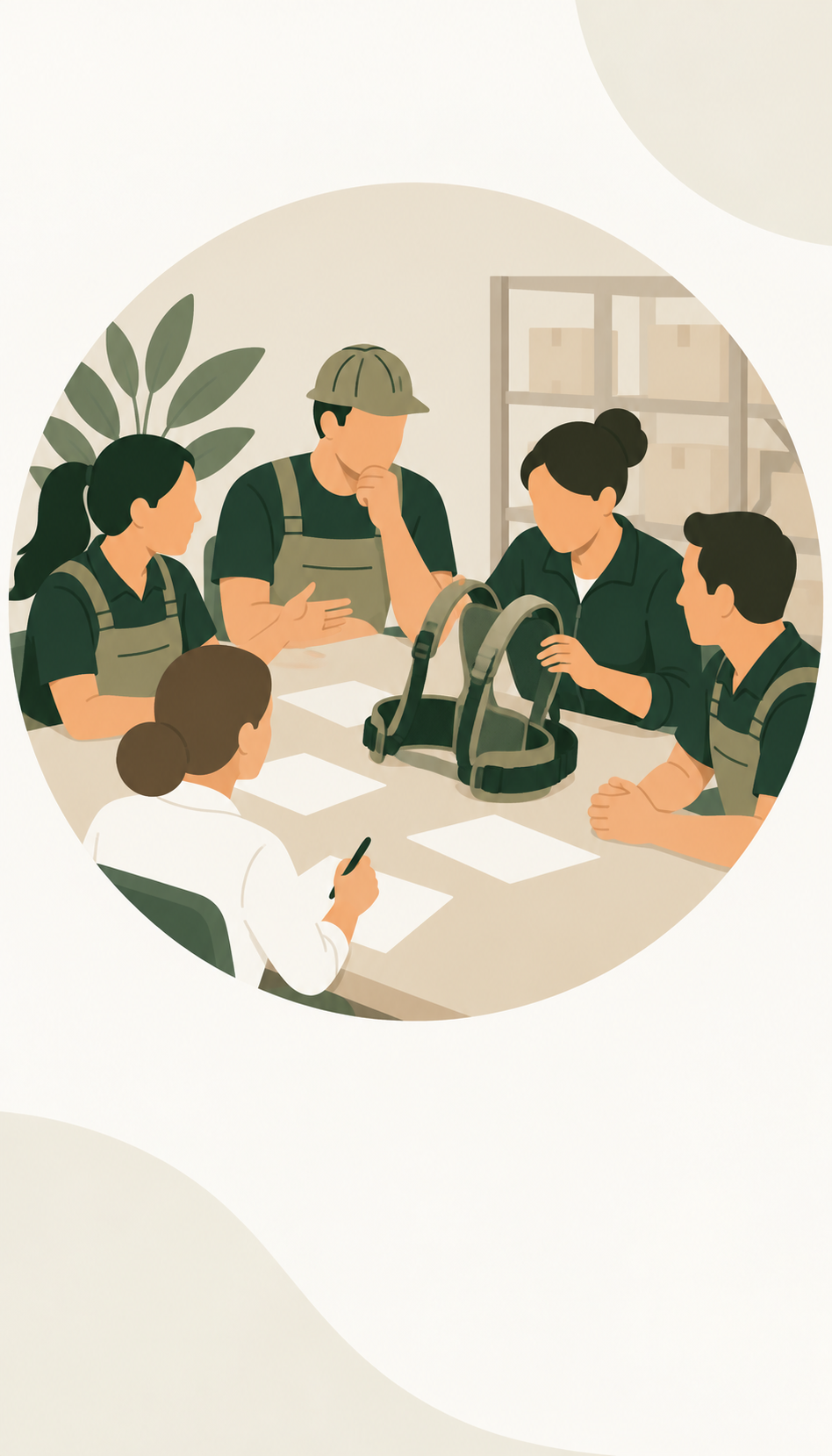
Involve employees before a purchasing decision is made. They are aware of discrepancies, side activities, and practical obstacles that are often not visible in a general job description.
In this context, participation means more than just a product demonstration. Employees should be able to formulate requirements, test systems, and reject an unsuitable solution.
Step 3
Explain goals and limitations transparently
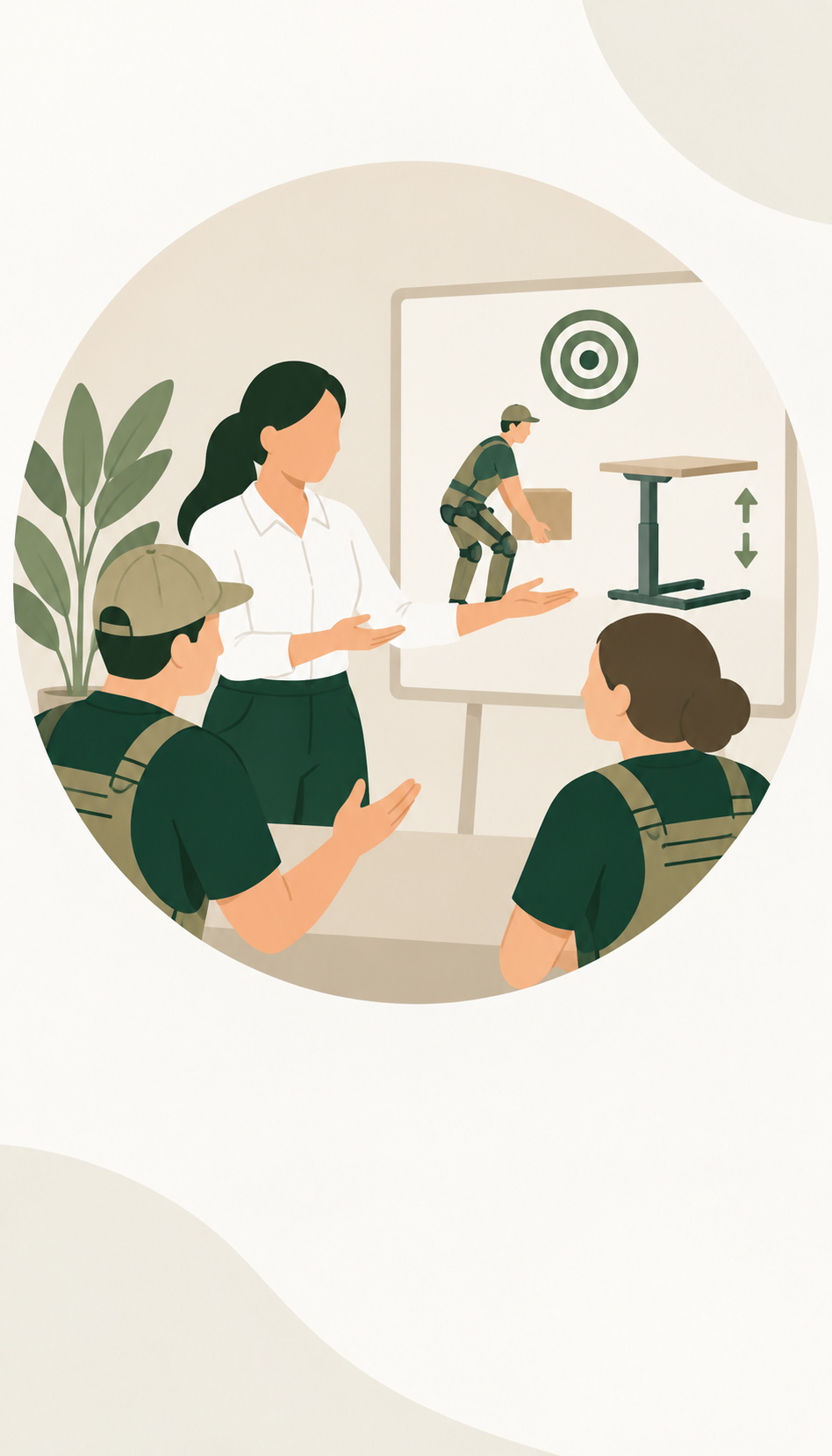
Explain why the company is testing exoskeletons and what problem is to be solved. Avoid exaggerated expectations. Exoskeletons are not a medical treatment and do not automatically replace other workplace design measures.
Instead, formulate it concretely: "We are examining whether this task can be designed more ergonomically and whether the exoskeleton offers suitable support in this regard."
Step 4
Test several suitable systems
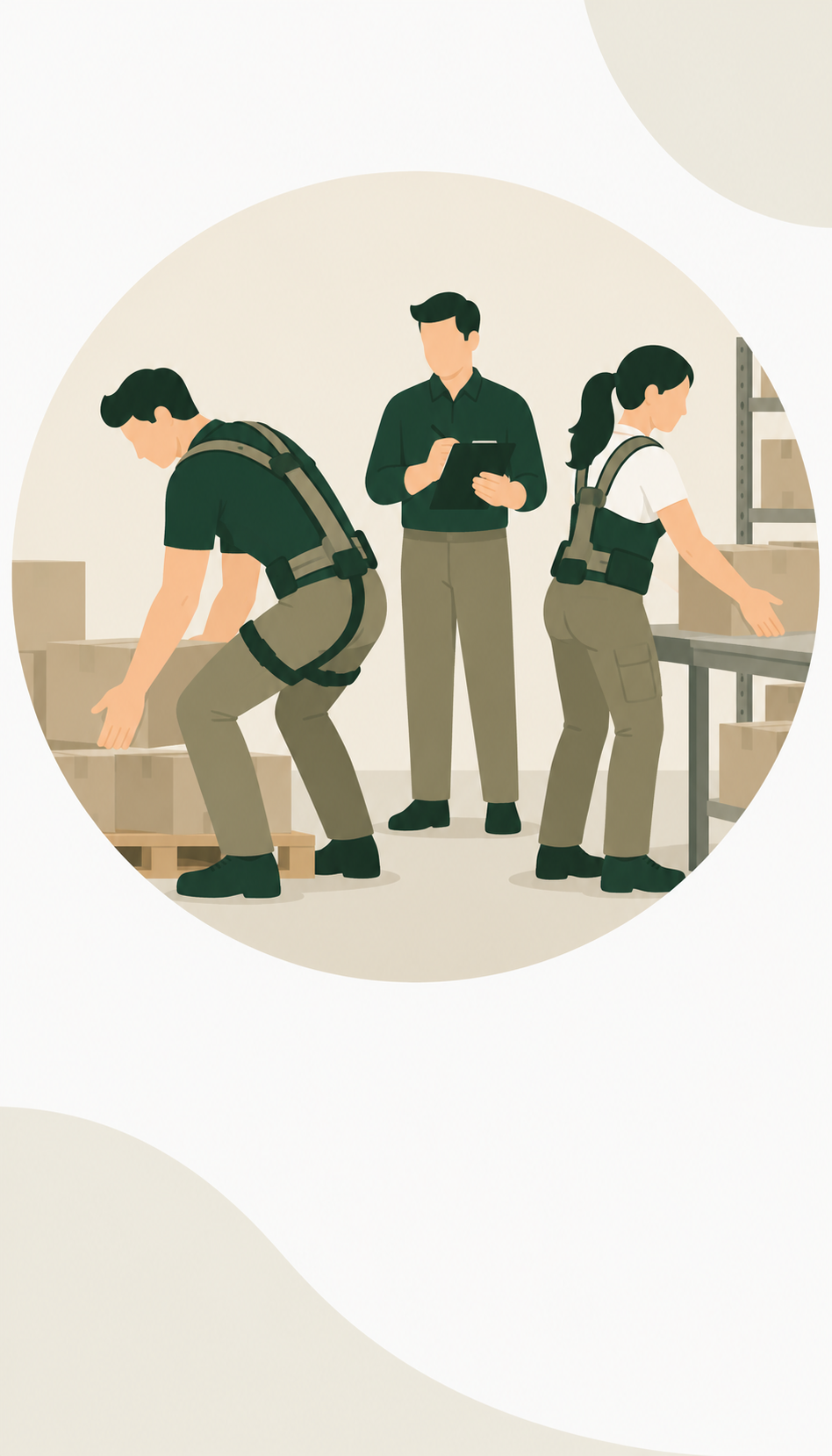
A brief initial contact usually only shows whether a system can be put on at all. A reliable assessment requires testing in the relevant workflows. This should take into account different body sizes, task variations, and work situations. You can find out how companies can proceed systematically in this regard in our guide Testing exoskeletons in the workplace.
Step 5
Plan time for adjustment and training
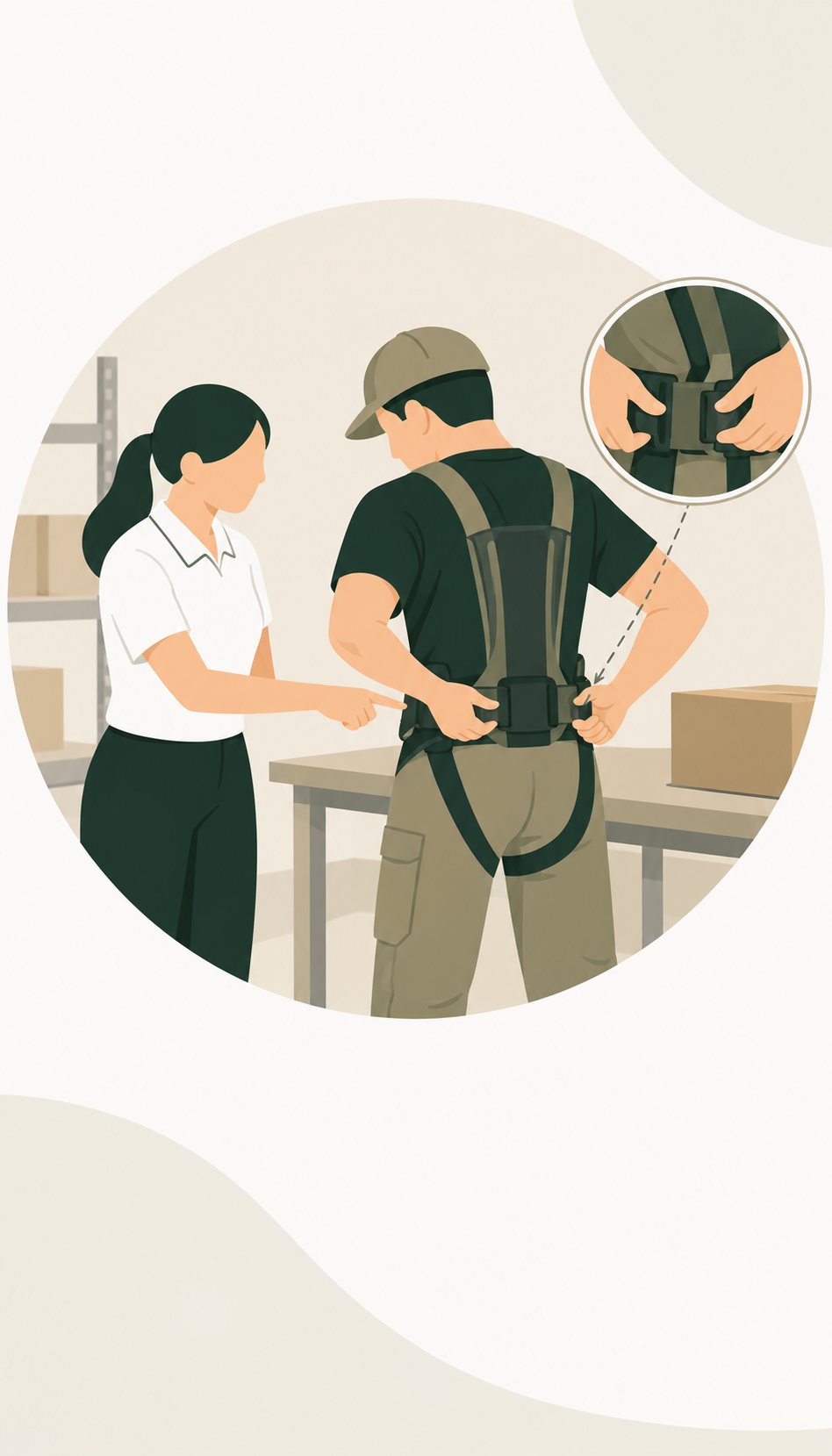
Employees need time to learn how to put on, take off, and adjust it. Training should take place directly at the workstation and include typical tasks as well as foreseeable malfunctions.

Step 6
Record feedback confidentially
Not every criticism is openly voiced in a group meeting. Therefore, offer personal conversations or confidential feedback options. Ask specific questions about benefits, comfort, freedom of movement, handling, social reactions, and situations in which the system is removed.
Step 7
Regularly review usage and suitability
Acceptance can change. A good first impression does not guarantee long-term usage. Conversely, training, better settings, or a different model can reduce initial reservations.
After the trial phase, examine the following, among other things:
- For which tasks is the exoskeleton used?
- When is it taken off and why?
- Are there pressure points or new complaints?
- Are adjustments required during work?
- Is the system sufficiently available?
- Would employees continue to use it voluntarily?
Individual employees or the entire workforce?
The most sensible solution is neither to provide all employees with equipment across the board nor to limit it to individuals with existing physical ailments.
A task-related approach is recommended: All employees who perform a suitable, strenuous task should be given access to trials regardless of age, gender, ailments, or perceived performance capability. Actual use should remain voluntary and depend on fit, the task, and personal suitability.
This approach offers three advantages:
- It positions the exoskeleton as an instrument for prevention and workplace design.
- It reduces the risk of stigmatizing individual employees as "weak" or "ill."
- At the same time, it prevents the indiscriminate equipping of unsuitable individuals or workstations.
The most important point: view exoskeletons as an offering.
The most important factor for acceptance is the credible involvement of employees. Anyone expected to wear an exoskeleton must have a real voice in its selection, testing, and evaluation.
Acceptance cannot be mandated. It arises when employees:
- understand the purpose,
- recognize a personal benefit,
- feel safe,
- experience the system as comfortable and manageable,
- do not fear social stigmatization,
- and can voice criticism without negative consequences.
The company should therefore not ask: "How do we convince our employees of our exoskeleton?" The better question is:"Which solution will employees accept because it genuinely supports their work?"
Conclusion: Acceptance precedes regular use.
Exoskeletons are wearable assistive devices. Their introduction therefore has a greater impact on the individual's daily work routine than the provision of many other technical aids.
Successful companies do not start with a full-scale procurement. They analyze the activity, involve the employees, test suitable systems, and evaluate the benefits as well as the limitations based on real workflows.
Treating acceptance as a selection criterion from the very beginning improves the conditions for voluntary and long-term use. This is precisely where professional exoskeleton consulting should start: not with the sale of a specific model, but with the question of which system suits the activity, the workplace, and the people.
Would you like to test exoskeletons in your company?
Get support with activity analysis, product selection, and the test phase. Together, we will create the conditions to ensure that an exoskeleton not only fits technically, but is also accepted by the future users.
Contact us!
FAQ on testing exoskeletons
Should employees be required to wear them?
An obligation does not resolve issues of acceptance. According to the INRS study, a non-accepted technology can even lead to additional physical, psychosocial, and safety-related risks. Instead of applying pressure, companies should examine sources of resistance and re-evaluate the suitability of the system.
How long should an exoskeleton be tested?
A universally applicable test duration cannot be predefined. However, the test phase should be long enough to cover various relevant tasks and work situations. A short demonstration appointment is no substitute for testing in day-to-day operations.
Which is more important: relief or comfort?
Both must be considered together. Perceived support does not automatically lead to sustained use if the system is uncomfortable, hinders movement, or requires frequent readjustment.
Are exoskeletons only useful for employees with physical complaints?
For internal communication, the exoskeleton should not be presented as a sign of illness. A task-related approach for all suitable employees supports a preventive positioning and reduces stigmatization. Individual use, however, depends on the task, fit, work environment, and personal suitability.