
Myths about exoskeletons: What is really true?
To this day, numerous myths persist regarding exoskeletons in the workplace. This is mainly because when many people hear the term "exoskeleton," they initially think of science fiction films, military applications, or futuristic robotic suits.
The reality, however, is different. Modern exoskeletons are being developed to assist people with physically demanding tasks, make workplaces more ergonomic, and specifically reduce strain. Precisely because the technology is still relatively new, there are many misconceptions about what exoskeletons can actually do and where their limitations lie.
A closer look at reality helps to better understand the potential, limitations, and applications of modern exoskeletons.
| Myth Exoskeletons provide superhuman strength. |
Reality
Exoskeletons are primarily designed to reduce physical strain. Passive exoskeletons support movement through mechanical components, while active exoskeletons also use motors or other drives. However, even active systems do not provide superhuman strength; they offer targeted support for specific movements, joints or muscle groups. |
|---|---|
| Myth Exoskeletons are robots that do the work for you. |
Reality
An exoskeleton is worn directly on the body and does not carry out independent movements or work steps. It provides targeted support during specific movements, while the person retains full control of the work process. |
| Myth Exoskeletons are only suitable for heavy lifting. |
Reality
Many types of physical strain do not arise from lifting heavy loads at all. Repetitive movements, prolonged standing or static postures are often the greater challenge in everyday work. Exoskeletons are specifically designed to support the body under these conditions too. |
| Myth Exoskeletons are uncomfortable and restrict freedom of movement. |
Reality
What matters is choosing the right system for the task. Modern systems are developed to provide support without unnecessarily restricting essential movements. |
| Myth Regularly wearing an exoskeleton causes a loss of muscle strength. |
Reality
Wearing an exoskeleton does not automatically lead to a loss of muscle strength. Exoskeletons do not take over all physical work; they provide targeted support during certain demanding movements or postures. The person's muscles remain active and continue to perform part of the work. However, the extent of muscular effort depends on the load and on the type and settings of the exoskeleton. |
| Myth Exoskeletons are only intended for people with existing discomfort. |
Reality
Exoskeletons are generally used as a preventive measure. The aim is not to treat existing discomfort, but to reduce physical strain before it can become a long-term problem. |
| Myth You can simply buy exoskeletons and hand them out to employees. |
Reality
Success depends on implementation, not simply on purchasing the equipment. Workplace analysis, practical trials and active user involvement often have a greater impact on success than technical product details. |
| Myth Anyone wearing an exoskeleton has to do more work. |
Reality
The focus is on reducing strain on employees. Exoskeletons are used to reduce physical demands, not to require greater output. |
| Myth Exoskeletons are too expensive and do not pay off. |
Reality
Whether an exoskeleton is worthwhile is not determined by its purchase price alone. What matters is the added value it provides for employees, ergonomics and work processes in the specific application. The noonee ROI calculator can be used to calculate in monetary terms whether using an exoskeleton makes economic sense for your application. |
| Myth Exoskeletons are suitable for every workplace. |
Reality
Not every system suits every task. Suitability depends on the work processes, movement patterns and physical demands at the workplace. Before use, the workplace should therefore always be analysed and the exoskeleton tested in practice. |
| Myth Exoskeletons are still a thing of the future. |
Reality
Exoskeletons are already used in numerous industries today. The technology has long moved beyond the development stage and already supports people in their daily work under a range of physical demands. |
The best answer comes from the practice
Most myths about exoskeletons stem not from bad experiences, but from a lack of experience.
Those who have never worked with an exoskeleton often judge the technology based on images, videos, or assumptions. However, it cannot be stated as a general rule whether an exoskeleton actually offers added value. What matters are the specific tasks, physical demands, and requirements of the particular workplace.
Modern exoskeletons are neither science fiction nor a miracle cure. They are practical aids that can specifically support people in physically demanding tasks. At the same time, the person always remains at the center: They retain control over their movements and workflows, while the exoskeleton provides support where physical strain occurs.
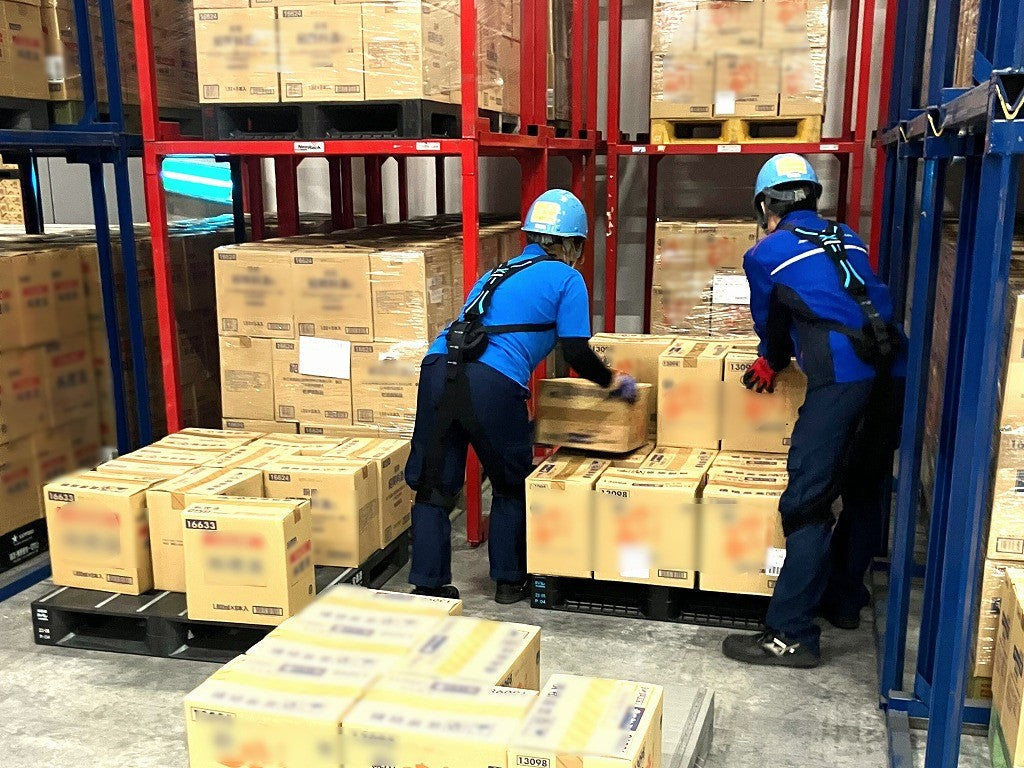

Would you like to find out if an exoskeleton is suitable for your workplace?
On paper, many exoskeletons can look similar. It is only in practical use that it becomes clear how well a solution fits into daily workflows and whether the desired support is actually achieved.
With personalized advice and a practical trial, different systems can be evaluated directly under real-world conditions. This will help you find out which solution actually provides the desired relief in everyday work.
Request an exoskeleton trial or online demo
We will be happy to advise you and find the right exoskeleton solution for your specific application together.
Get personal answers to your questions about exoskeletons
Would you like to assess common assumptions about exoskeletons and find out what support is suitable for your actual workflow?
Describe the specific workflow and physical strain to us. Together, we can narrow down which exoskeleton category is suitable for the respective activity.