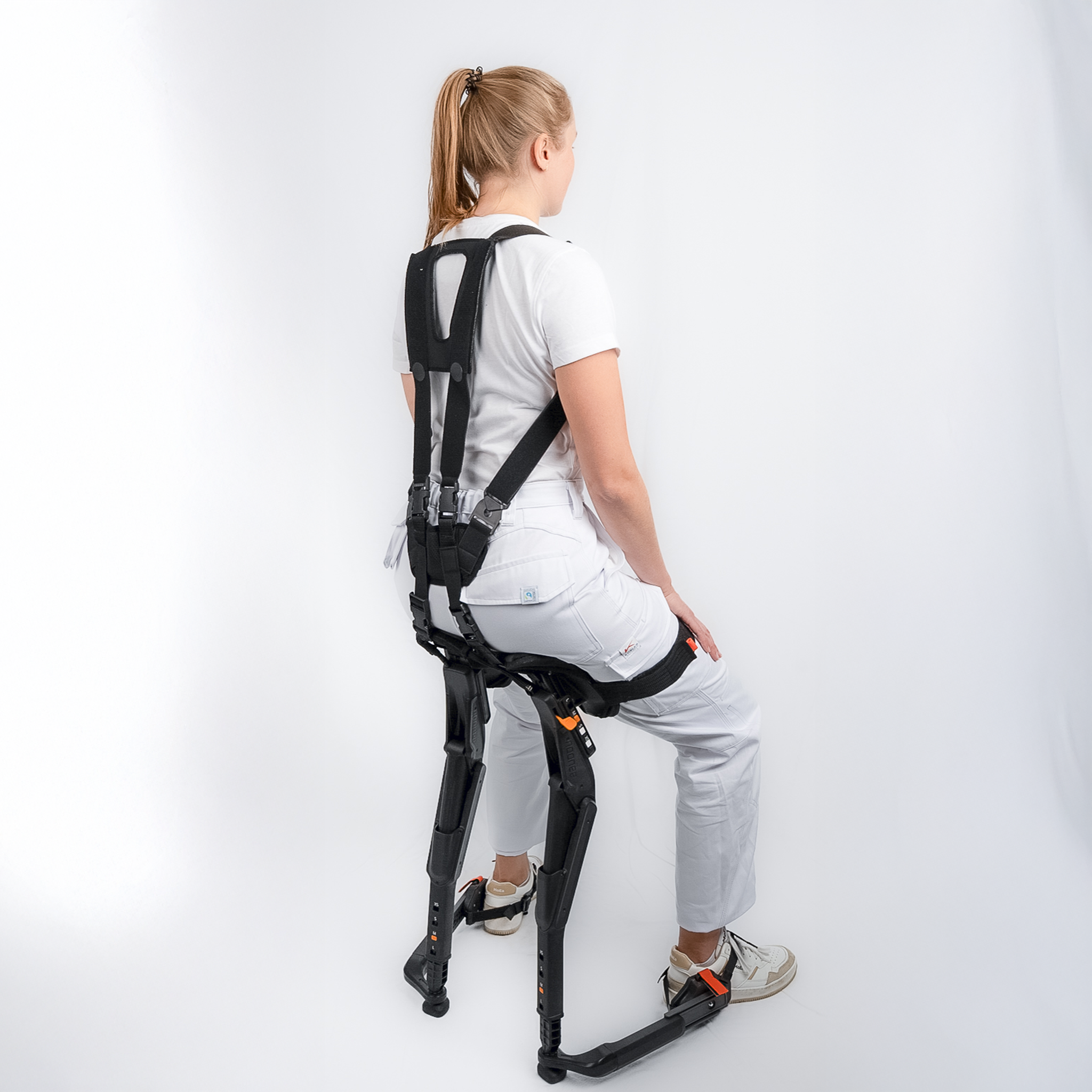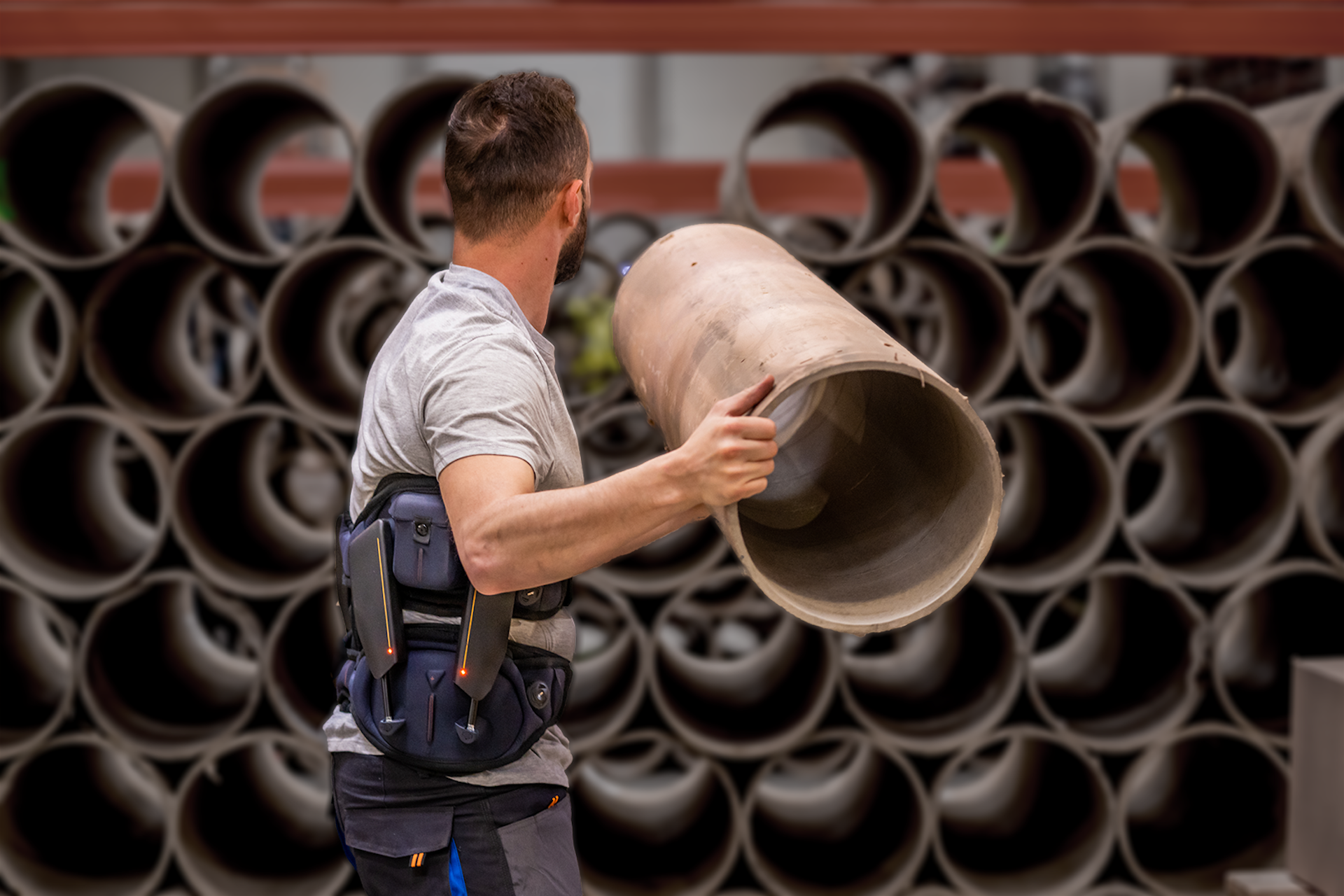
Introducing exoskeletons – where real relief is created
Exoskeletons are only useful if they actually provide relief in everyday work. The technology itself is not the decisive factor, but rather where and to what extent they actually provide relief in the work process.
A pilot project provides exactly this clarity: It allows exoskeletons to be evaluated under real conditions during ongoing operations – directly in the existing work process. The goal is not to test as many application possibilities as possible, but to create reliable decision-making bases.
noonee supports this process with a clear objective: to deploy exoskeletons where they demonstrably show an effect – and only there.
Define areas of application – tackle the problem where stress arises
The success of an exoskeleton pilot project depends on choosing the right areas of application. Not every activity benefits equally from support.
Therefore, it starts with an analysis of the actual work situation – with a focus on the stress progression over the entire workday. Among other things, the following are considered:
- Duration of static holding positions
- Frequency of repetitive movements
- Temporal distribution of physical stress over the workdays
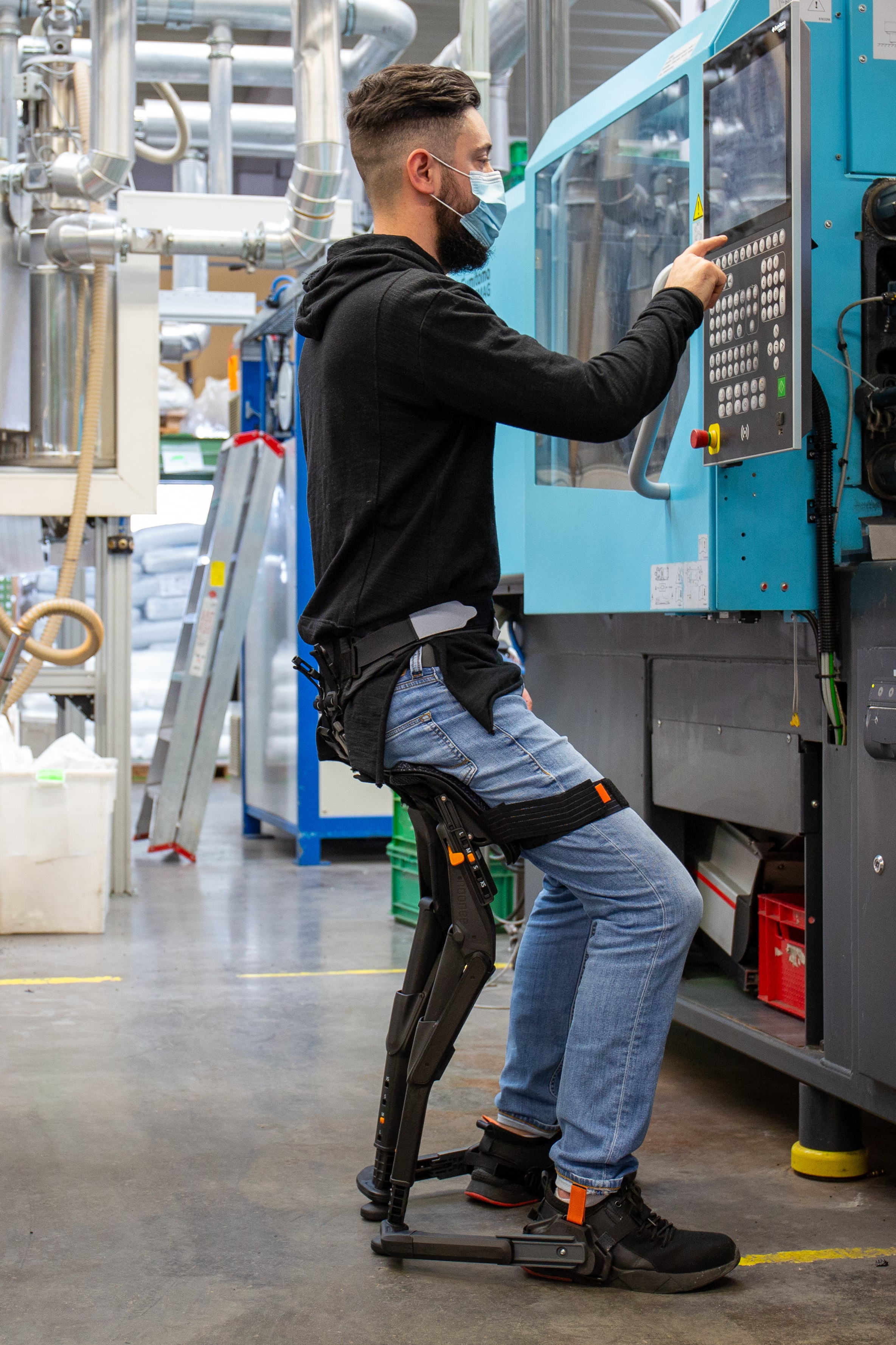
Even several minutes of static holding work per work cycle can accumulate into significant muscular fatigue over a shift. Therefore, activities involving static holding positions, overhead work, and repetitive movements under load are particularly suitable.
The pilot project meticulously examines:
- Where does significant muscular strain occur throughout the workday?
- In which work steps can support be meaningfully integrated?
- How does the exoskeleton affect movement sequences, timing, and process stability?
The result of this analysis is not a blanket assessment, but a clear demarcation of suitable and unsuitable application cases. Often, effective use is limited to individual, clearly defined work steps – and that is precisely the key to effectiveness.
Employee Training for Exoskeletons – Application Determines Success
The effectiveness of exoskeletons depends directly on their application. Actual relief only occurs if they are used correctly, appropriately for the situation, and regularly.
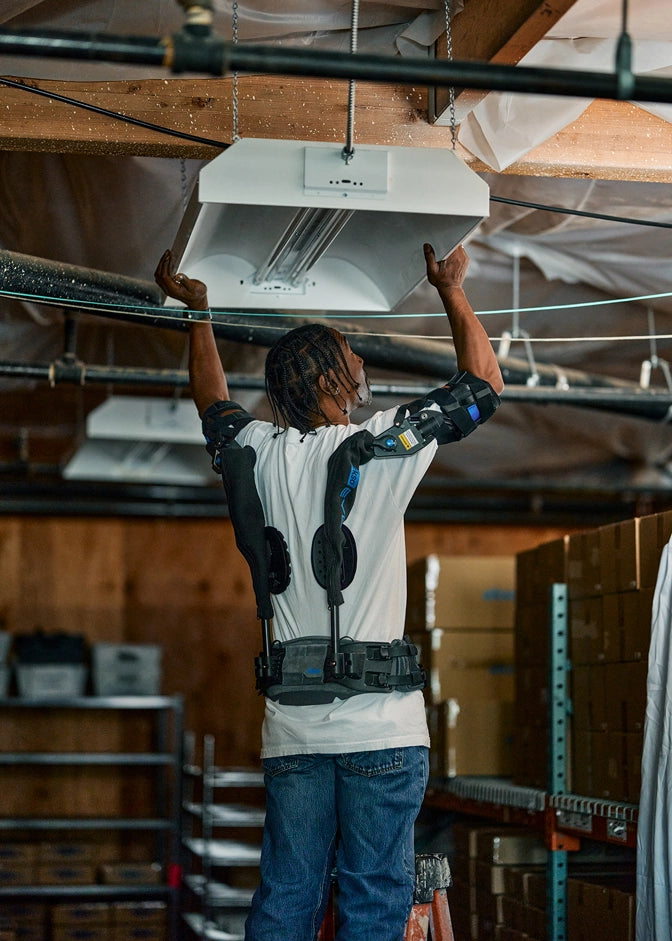
Therefore, training is an integral part of the pilot project. It takes place directly in the work context and is oriented towards specific tasks. The goal is to integrate the exoskeleton into existing processes without creating additional demands in daily life.
The focus is on practical use:
- In which situations is the support noticeably effective?
- How does the execution of individual work steps change?
- How often and for how long is the exoskeleton actually used during the workday?
Especially the actual duration of use and feedback from application provide crucial insights for evaluating everyday suitability.

Why noonee is the Right Partner for Your Exoskeleton Pilot Project
The effectiveness of exoskeletons is not determined by technical features but by their interaction with real work processes. Whether relief is actually achieved can only be seen where people work daily under real conditions.
noonee consistently views exoskeletons from this perspective. They are not understood as isolated aids but as part of existing workflows. The goal is to provide support exactly where physical strain occurs – without changing processes or introducing additional complexity into existing workflows.
Experience from numerous pilot projects shows that effectiveness only arises where the area of application, work environment, and application fit together precisely.
Therefore, noonee does not pursue an approach of widespread introduction but focuses on genuinely robust application scenarios within the work process.
A structured pilot project provides the necessary clarity for this. It makes the impact visible, delineates meaningful areas of application, and creates a sound basis for decisions that work in the long term.
Successfully Introducing Exoskeletons – Step by Step
1. Understand the workload — Analyze real work processes and identify where physical strain occurs throughout the day.
2. Select suitable activities — Identify work steps where static holding work, overhead activities, or repetitions dominate.
3. Pilot project in daily operations — Test exoskeletons in ongoing operations – directly within existing work processes.
4. Train employees practically — Teach application directly at the workplace, adapted to specific activities.
5. Evaluate usage and relief — Assess how frequently the exoskeleton is used and whether noticeable relief occurs.
6. Clearly evaluate results — Clearly differentiate between suitable and unsuitable use cases.
7. Implement targeted rollout — Introduce exoskeletons only where they have proven successful in the pilot project.
Interested in an exoskeleton pilot project?
Would you like to check whether exoskeletons could also be used effectively in your company?
noonee will support you in identifying suitable areas of application, evaluating real load situations, and implementing a structured pilot project during ongoing operations.
You can easily get in touch with our team via the contact form and discuss individual requirements.