Relief for hard fieldwork
Daily work in agriculture is among the most physically demanding activities there are. Long working days, heavy loads, and awkward postures frequently lead to back and muscle strain. At the same time, the increasing shortage of skilled labor exacerbates the situation on many farms.
An exoskeleton in agriculture offers an innovative solution: It supports the body during physically intensive
tasks and helps reduce strain during repetitive movements. This allows work processes to be designed more ergonomically and, in the long term, more healthily.
What is an agricultural exoskeleton?
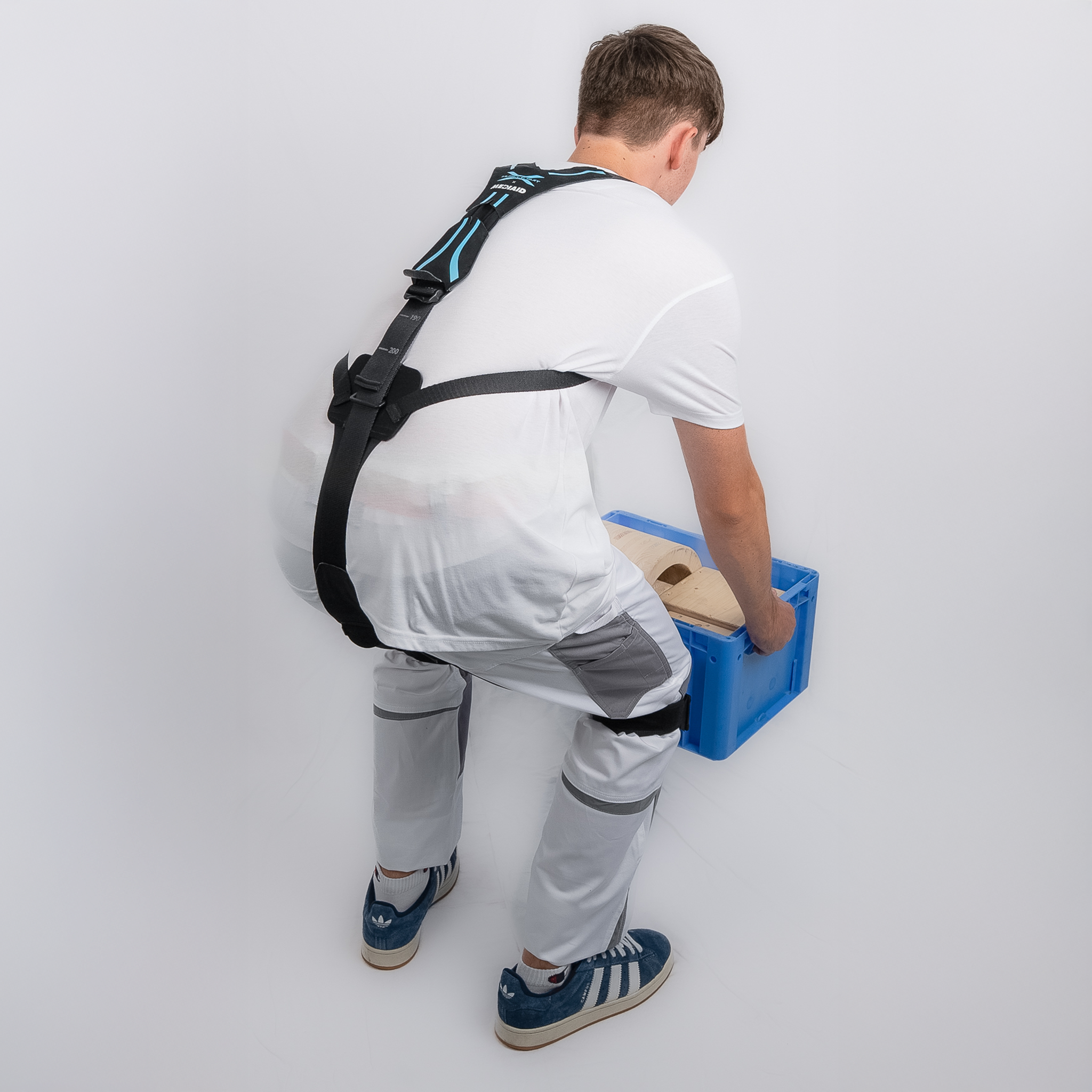
Exoskeletons were not developed exclusively for agriculture, but for physically demanding tasks, which are also common in agricultural operations. These include prolonged work in a stooped posture, repeated lifting and carrying, or tasks performed above shoulder height. Therefore, the decisive factor is less the industry itself, but whether the exoskeleton fits the specific movement sequence and the respective work situation.
A basic distinction is made between passive and active systems. While active exoskeletons operate motor-driven, passive models are based on mechanical principles and are more frequently used in agriculture because they are more robust, require less maintenance, and are more flexible.
Typical areas of application in agriculture and along the agricultural value chain
The applications of exoskeletons in agriculture are diverse. Activities characterized by repeated bending, lifting, carrying, and monotonous movements are particularly relevant, as these are precisely the factors that are among the most common causes of physical ailments.
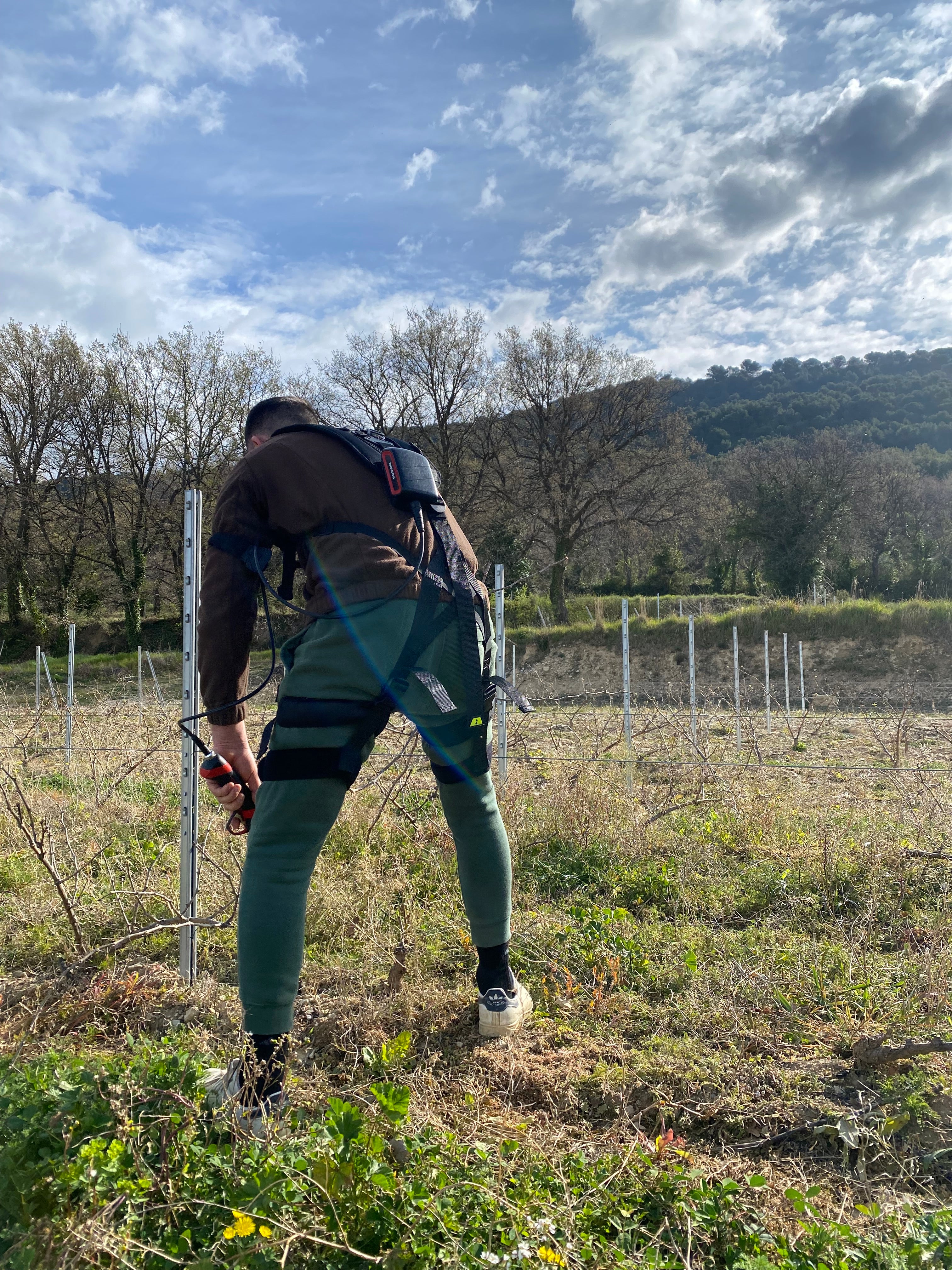
Special crops and labor-intensive field work
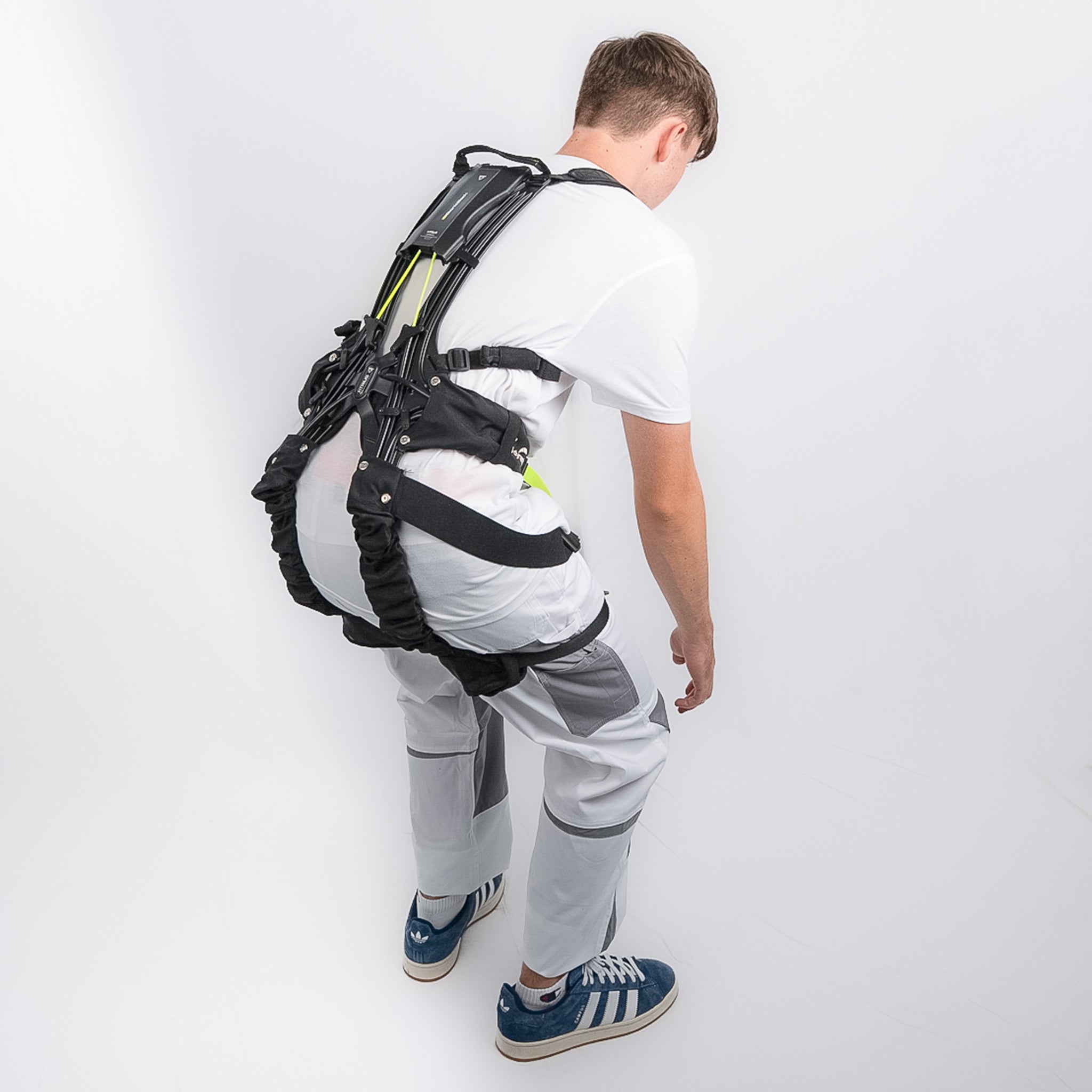
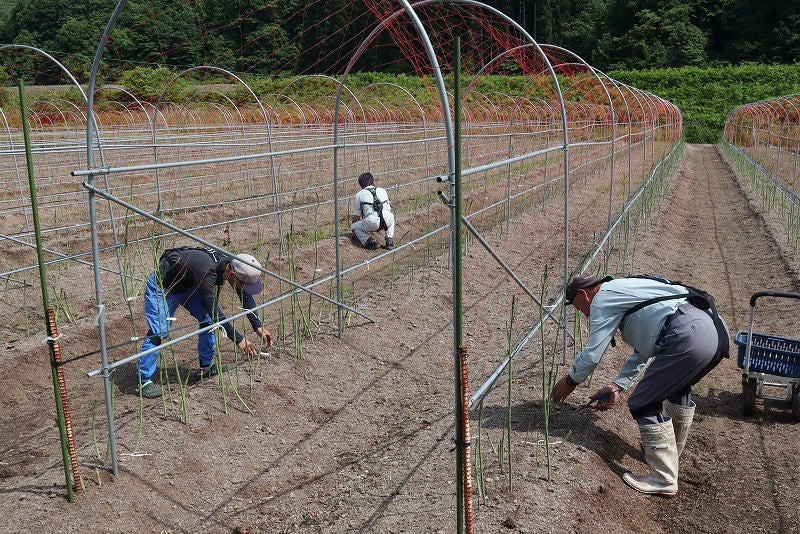
In labor-intensive sectors such as vegetable, fruit, or wine growing, the strain is particularly high. Activities like harvesting, planting, or sorting are often carried out for hours in a bent posture.
Typical examples include:
- Asparagus harvesting or strawberry picking
- Fruit picking and sorting
- Manual field work such as weeding or planting
The continuous stooping posture significantly strains the lower back in particular. An exoskeleton can help here by facilitating the straightening motion and distributing the load more evenly.
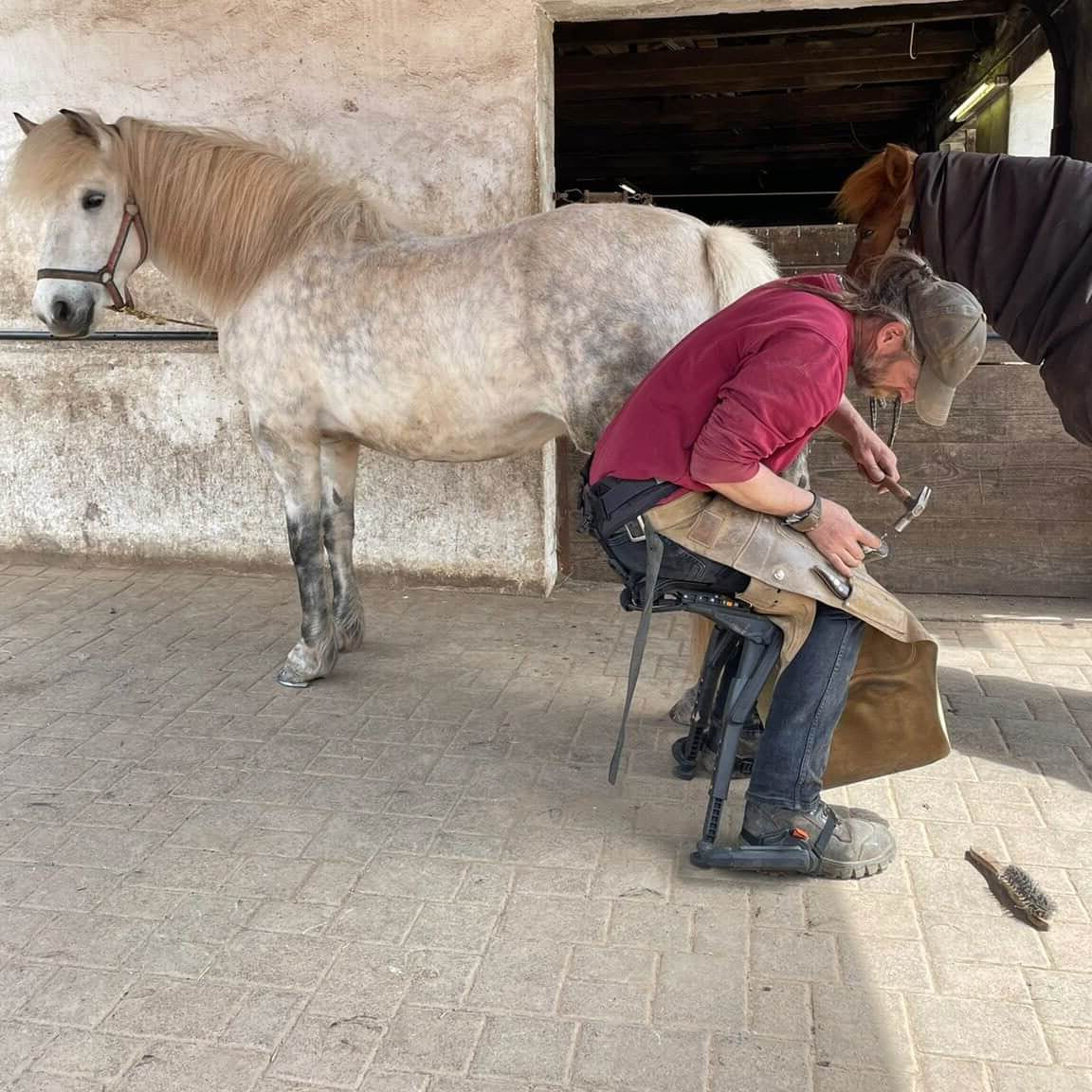
Animal Husbandry and Barn Processes
Working in animal husbandry is characterized by physically demanding routine tasks. In addition to handling the animals themselves, the handling of feed and materials also plays a central role.
These include, among other things, feeding with heavy sacks or buckets, mucking out stables, and milking and care work. These activities often combine repetitive movements with unfavorable postures, leading to a constant strain on the musculoskeletal system.
An exoskeleton can help reduce muscle strain and support a more stable posture.
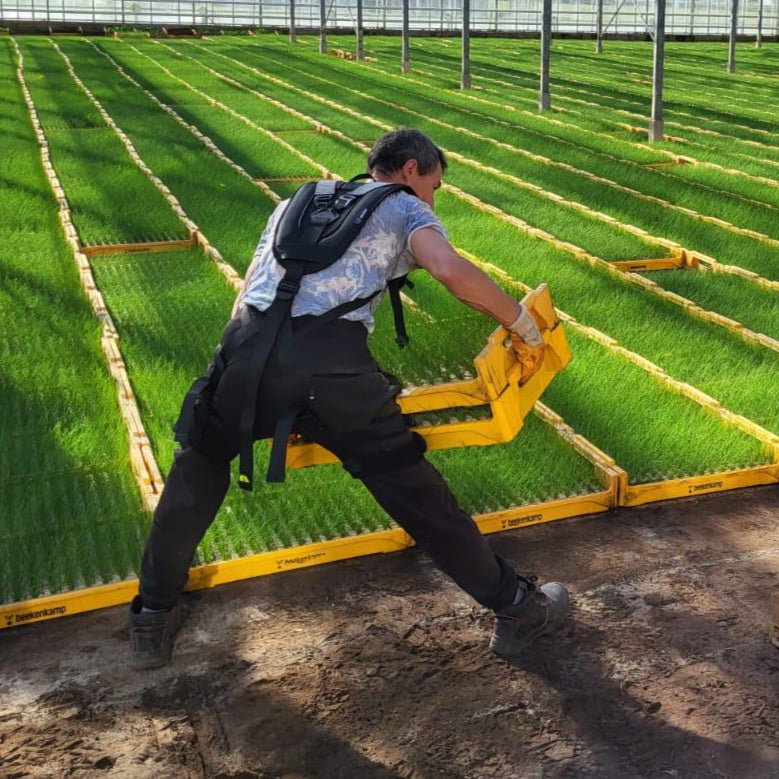
Horticulture and Nurseries
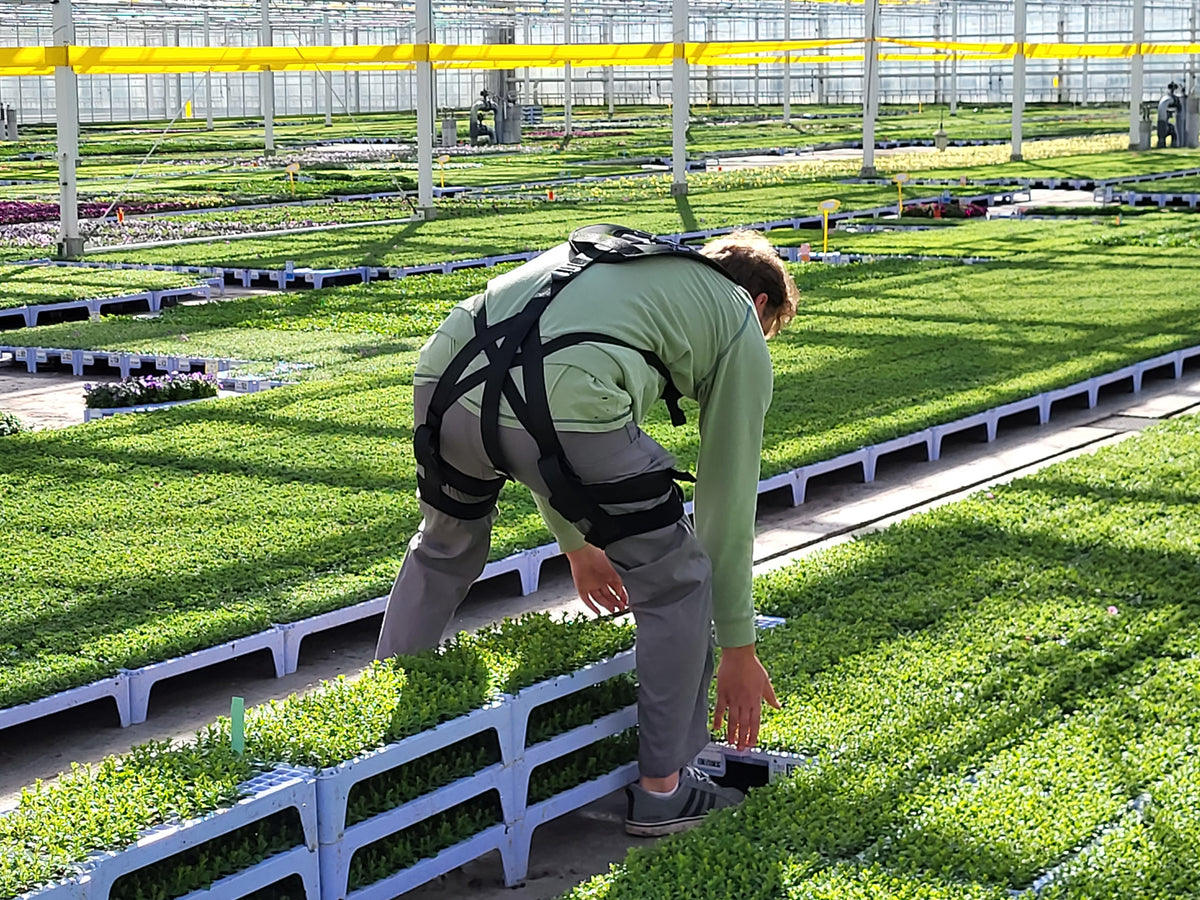
In horticulture and nurseries, precise yet physically demanding tasks are central. These include, for example, repotting and planting, pruning, and the continuous care and preparation of plants for sale.
The strain here primarily arises from the frequent alternation between bending and stretching, repetitive movements, and longer work phases in static postures. This combination leads to a consistent strain on the back, shoulders, and arms throughout the day.
By using an exoskeleton, this strain can be reduced by relieving muscle tension and stabilizing body posture.
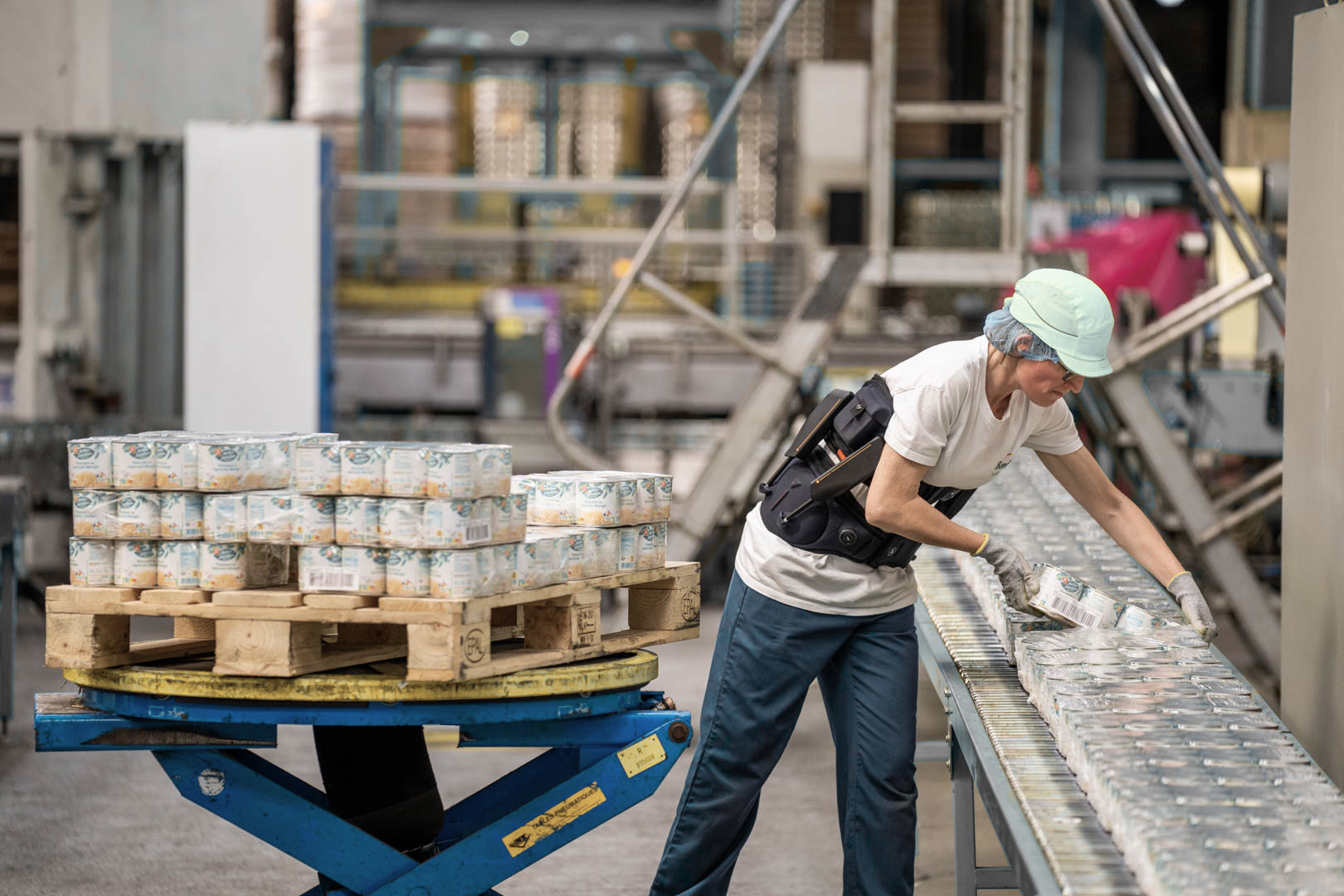
Yard Logistics and Material Handling
An often underestimated area is logistics within the agricultural operation. Many tasks correspond to classic lifting and transport processes that are performed at a high frequency.
These include moving crates, sacks, or bales, relocating materials, and transporting feed or seeds. These tasks quickly lead to physical fatigue due to repeated lifting and carrying.
Exoskeletons provide support in these situations, especially during lifting operations and when working in a bent posture.

Agricultural processing and direct marketing
More and more farms are also taking on parts of the further processing themselves. This includes, for example, milking, product processing, and packaging and cleaning processes.
These activities are often characterized by uniform movements, prolonged standing, and sometimes confined workspaces. Particularly
during milking or cleaning, repetitive stresses arise due to unfavorable body postures.
An exoskeleton can help distribute these stresses more evenly and reduce physical fatigue.
Benefits for Farmers
The use of an exoskeleton offers clear advantages, especially with regard to ergonomics and long-term employability.
The most important effects include:
- Noticeable relief during physically intensive tasks, such as bending, lifting, carrying, or working for extended periods
- Prevention of acute physical ailments, which can quickly lead to performance degradation or absences in everyday work
- Long-term preservation of physical work capacity, especially with recurring strains over many years of employment
- Better management of seasonal peak loads, such as during harvest times, planting phases, or long working days
- More ergonomic working methods without fundamental process changes, as the support directly addresses the movement sequence
In summary, exoskeletons support agricultural businesses where physical strain occurs permanently, repeatedly, or particularly intensively. They can reduce acute discomfort, maintain work capacity over a longer period, and help to cope with seasonal peaks more ergonomically – without fundamentally changing existing work processes.
Which models are suitable?
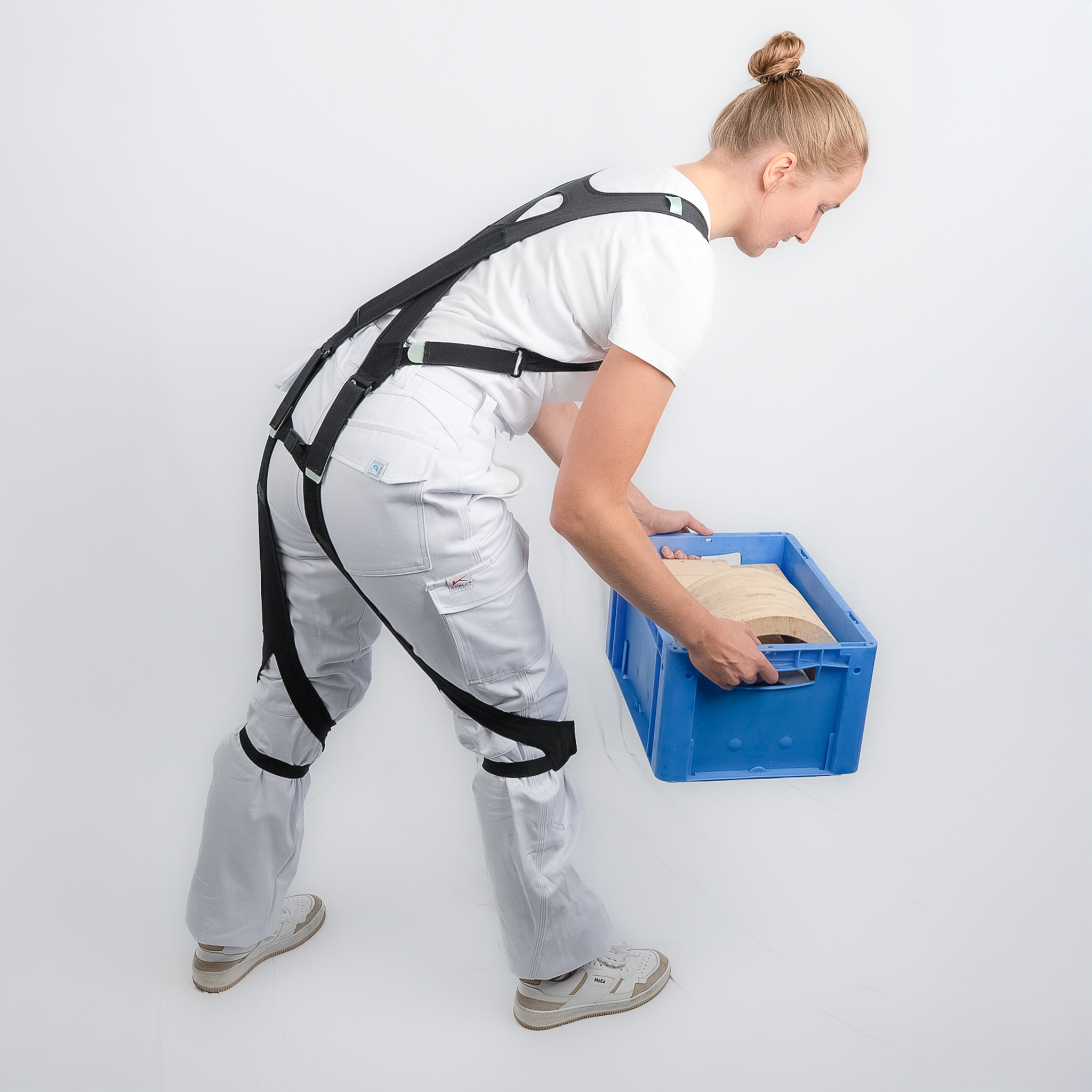
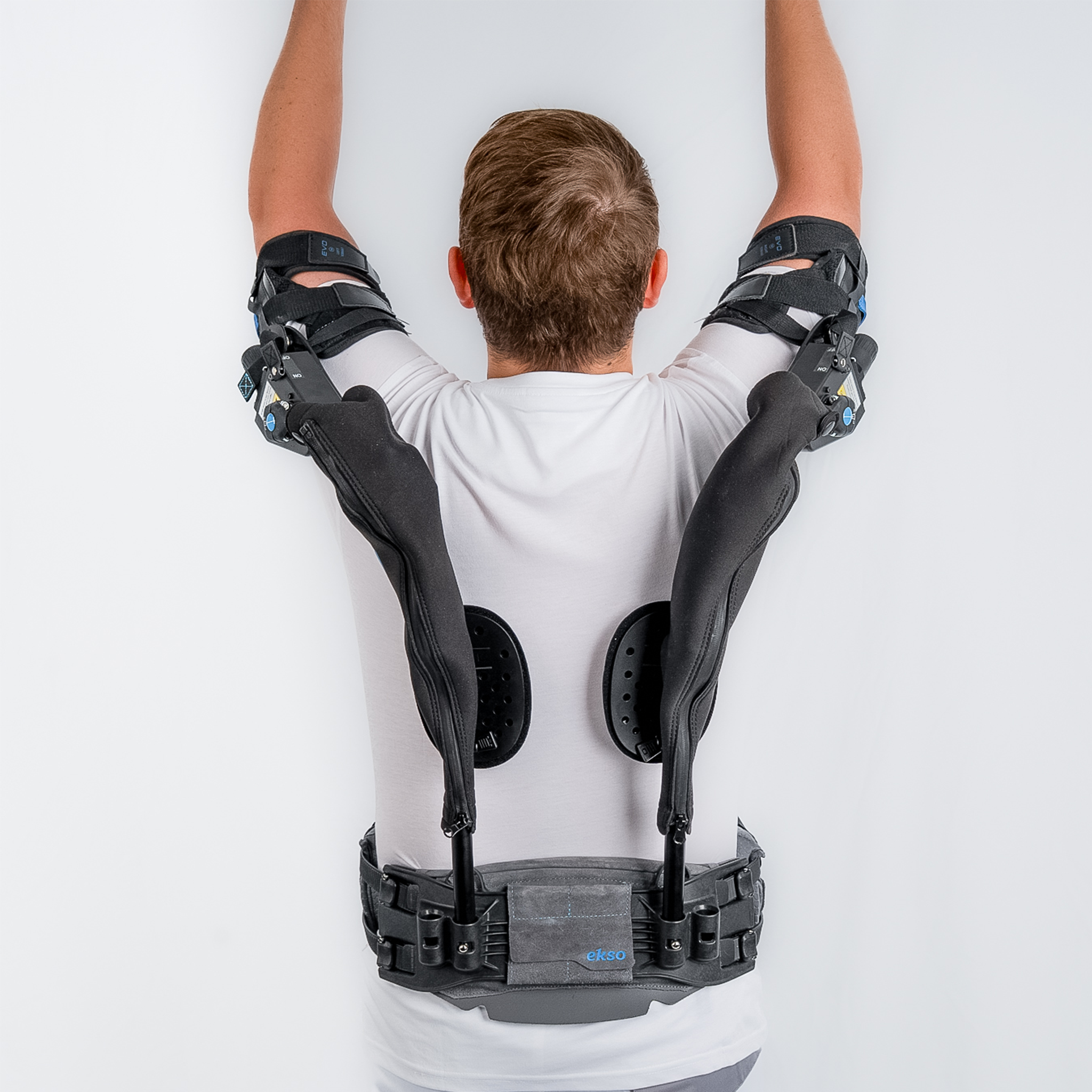
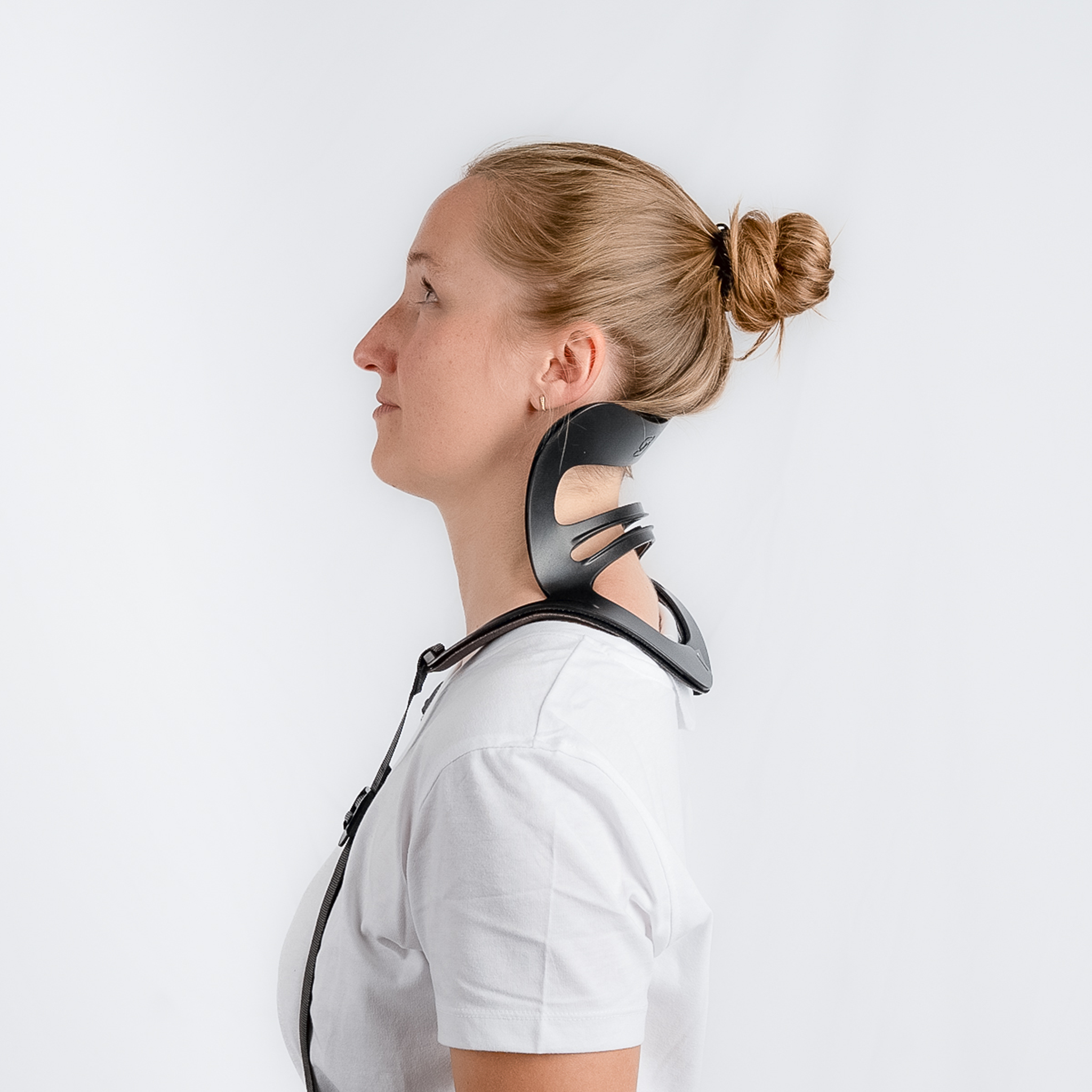
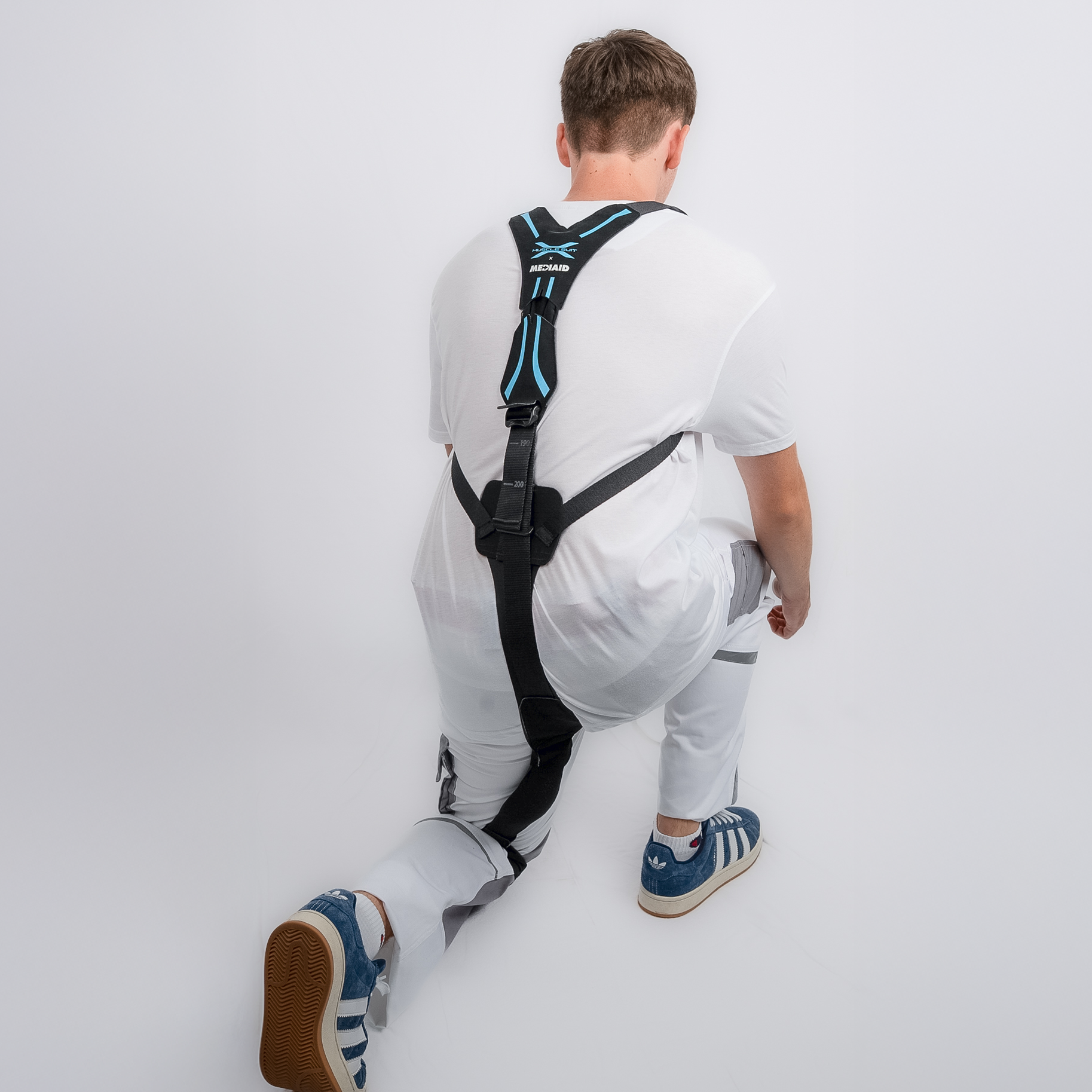
For agriculture, robust and flexible systems are particularly relevant. Key factors here include weight, freedom of movement, and adaptability to different activities.
Depending on the area of application, models for back or shoulder support are especially suitable, as they can be easily integrated into daily work routines.


Challenges and Limitations
Despite their potential, exoskeletons are not a substitute for ergonomic workplace design. Rather, they should be considered a supplementary measure.
Particular attention should be paid to individual adaptation, familiarization with use, and the fact that not all movement sequences can be supported equally.
Future: Exoskeletons as a standard in agricultural technology?
Agriculture faces structural challenges such as a shortage of skilled workers and increasing demands for efficiency and sustainability. At the same time, manual labor remains an essential part of many processes.
Exoskeletons can play an important role here in the long term by reducing the physical workload and increasing the attractiveness of the profession.
Conclusion & Further Information
An exoskeleton in agriculture offers great potential to significantly ease physically demanding tasks.
Especially in areas with repetitive movements or awkward body postures, it can make an important contribution to more ergonomic working conditions.